Utah Trip Day 5
Friday, 5/6/16, Day 5: Colorado and Utah 🙂
Hey guys, so I currently have writers block after writing from Sootie’s perspective, so I’m back to these types of blog entries for now. This entry will probably contain mostly pictures because I took A LOT of them on this day specifically. This was also one of my favorite days. Hope you don’t mind – here’s day 5 of my trip to Utah!
So, on this day, we woke up around 6:00 to pack up camp because it was about to rain, and obviously we wanted to have everything packed away before it started. Once everything was packed, we ate breakfast around 6:30 – cereal – and then we quickly hopped in the van until it stopped raining.
Everyone was a bit groggy this morning – mostly because we all woke up with sore throats and runny noses. We were high up in the mountains all night, so it left us with low-key altitude sickness. Plus the air was very thin and dry, which contributed to the majority of us feeling sick.
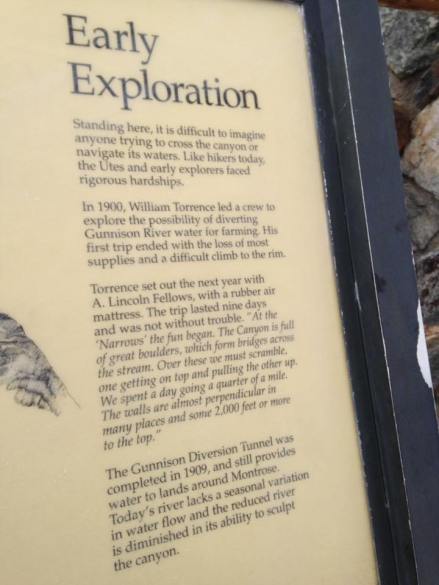
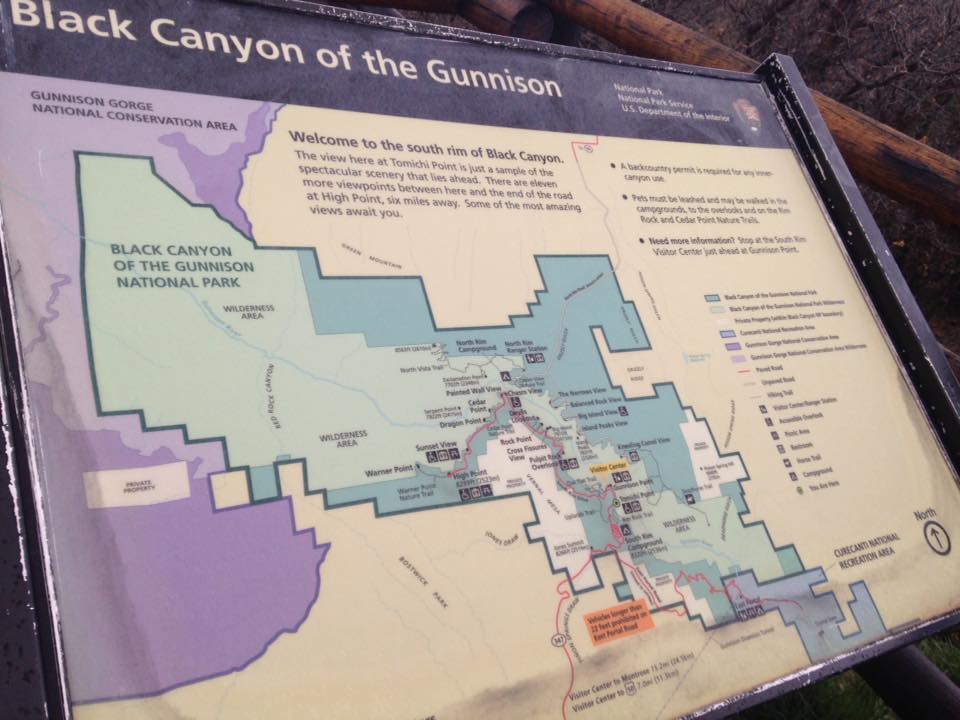
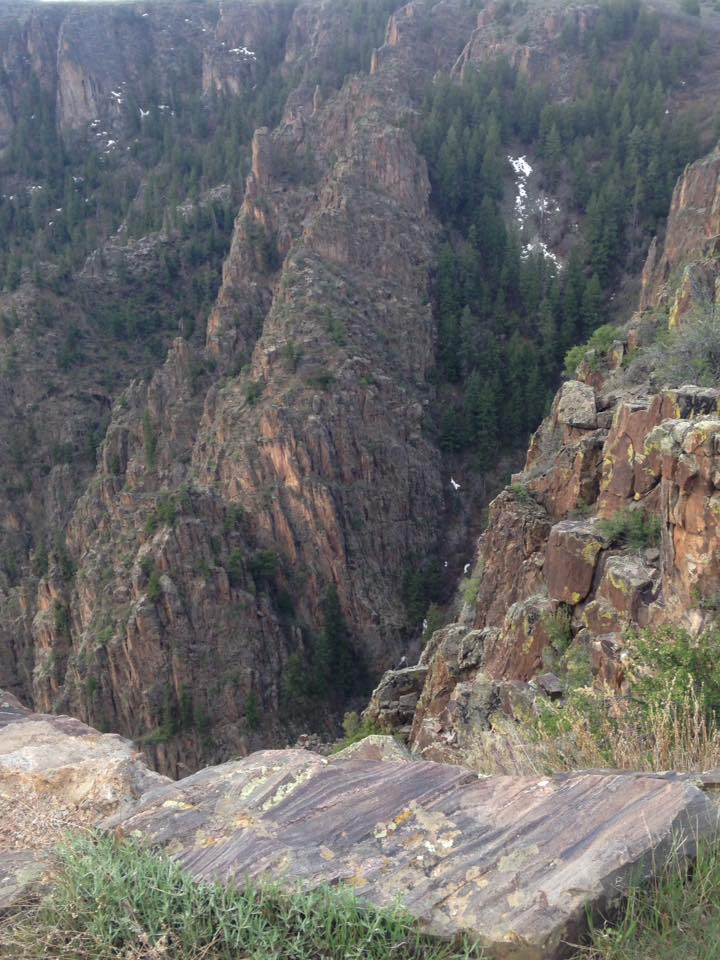
However, once it stopped raining, we drove around to multiple small tourist sites surrounding the Black Canyon to roam around, view the Canyon at its finest, and take pictures…but first: here’s some information on The Black Canyon (taken directly from my notes (and from the research paper that one of my classmates did)):
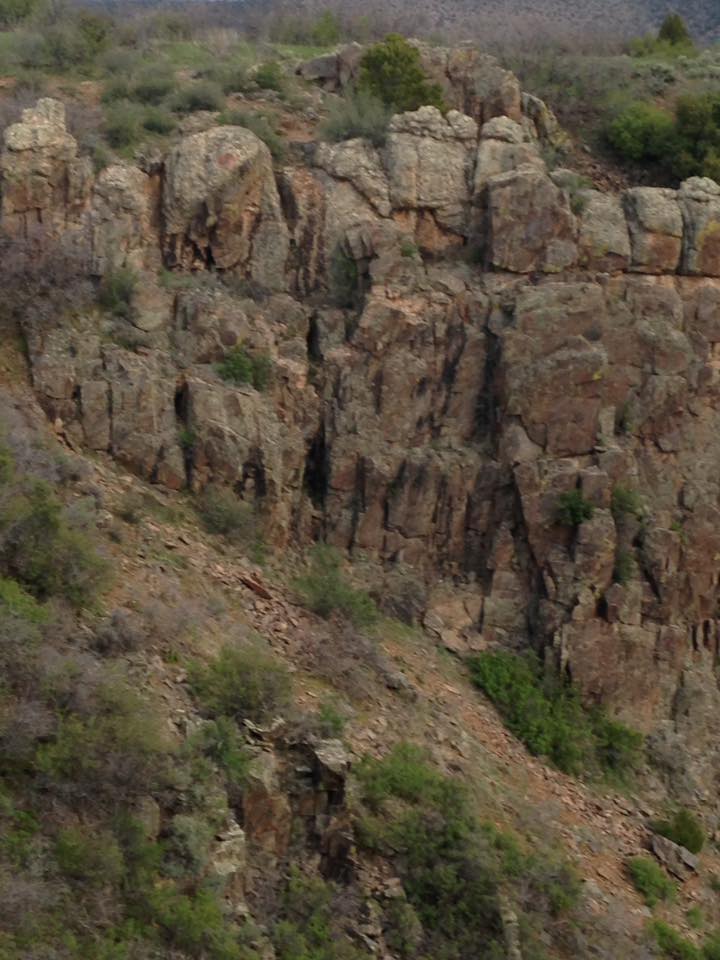
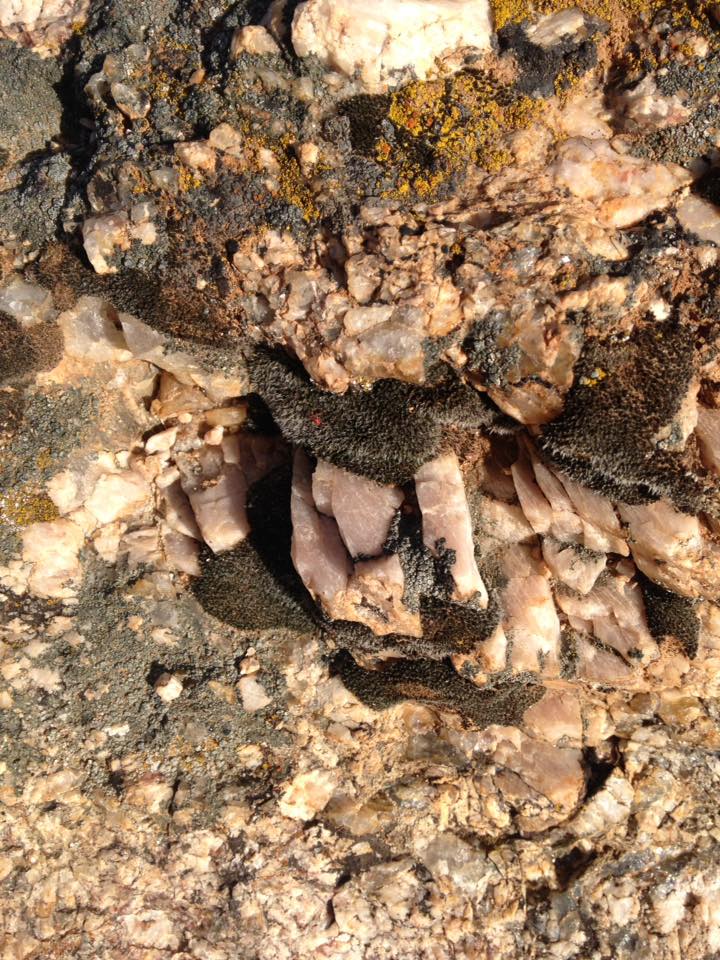
-We were walking on mostly pegmatite (crystalline granite) in this area – with really big crystals, and everything around it weathered quickly, but the magma cooling really solidified the crystal.
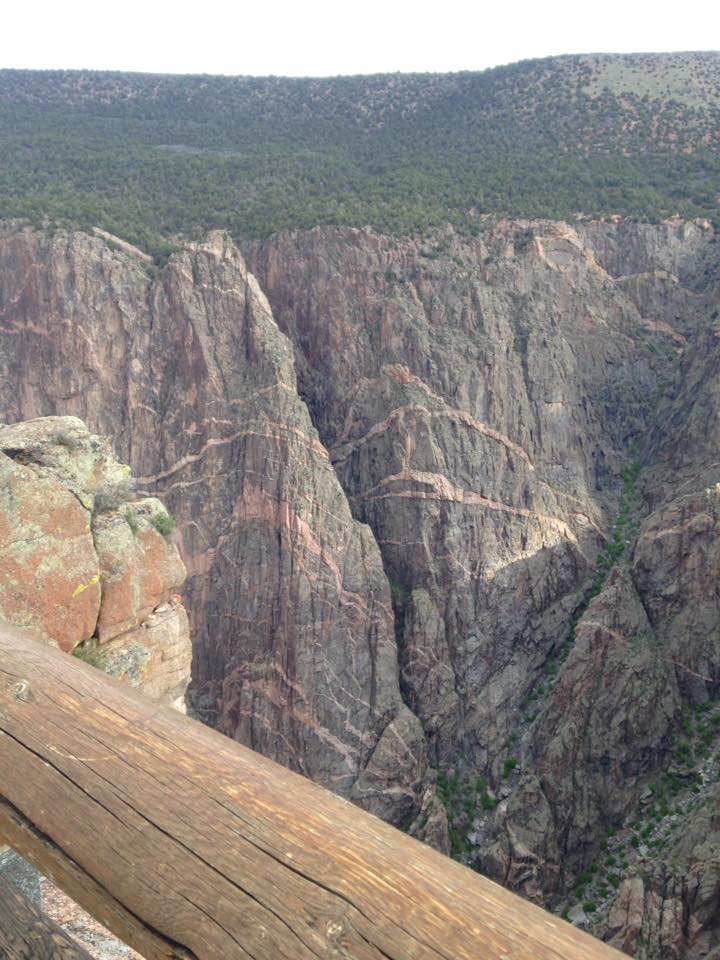
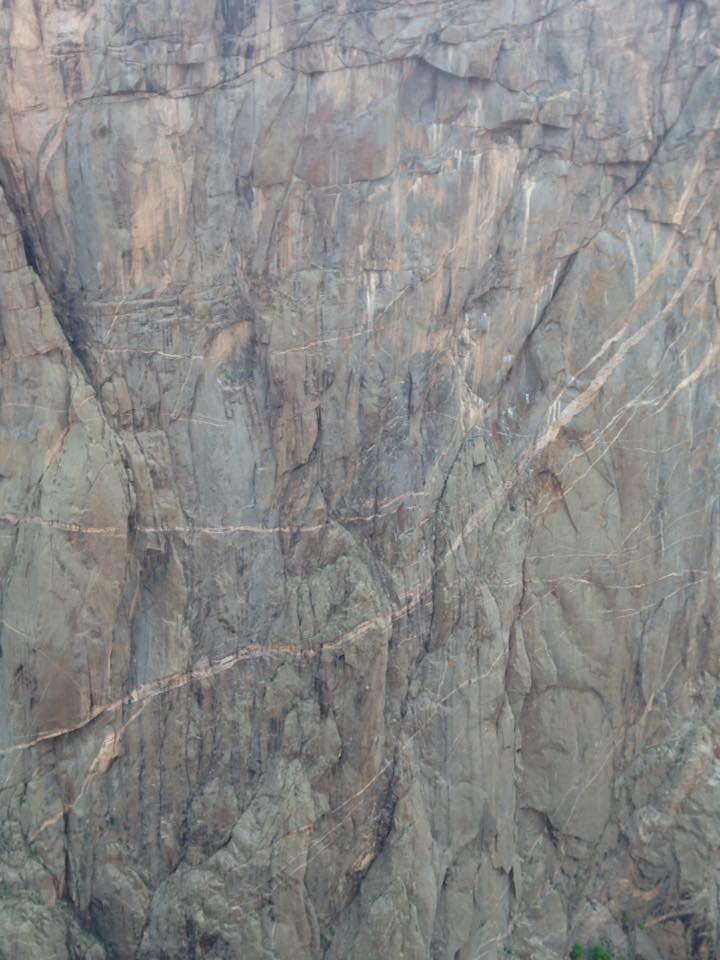
-The Black Canyon also has really nice big pink granite intrusions (igneous rock forcing its way between or through an existing formation without reaching the surface).
-It is located in the western portion of Colorado.
-It’s basically the product of a geological perfect storm.
-During the Tertiary, volcanism and uplifting set the stage for headwaters for the Gunnison River.
-The end of the volcanism era began the era of rapid uplifting of the Great Basin and Colorado Plateau.
-The river then chiseled down through the volcanic layers as well as Mesozoic sedimentary layers.
-Within the last couple million years, the river had to cut through extremely hard Precambrian basement rocks at a rate of 1 inch per 100 years – therefore, creating the Black Canyon.
-People participate in activities like rock climbing, white water rafting, kayaking, hiking, and camping here while geologists gather to observe the ever-hanging geological environment that is continuously growing and expanding.
So, without further ado…here are the pictures:
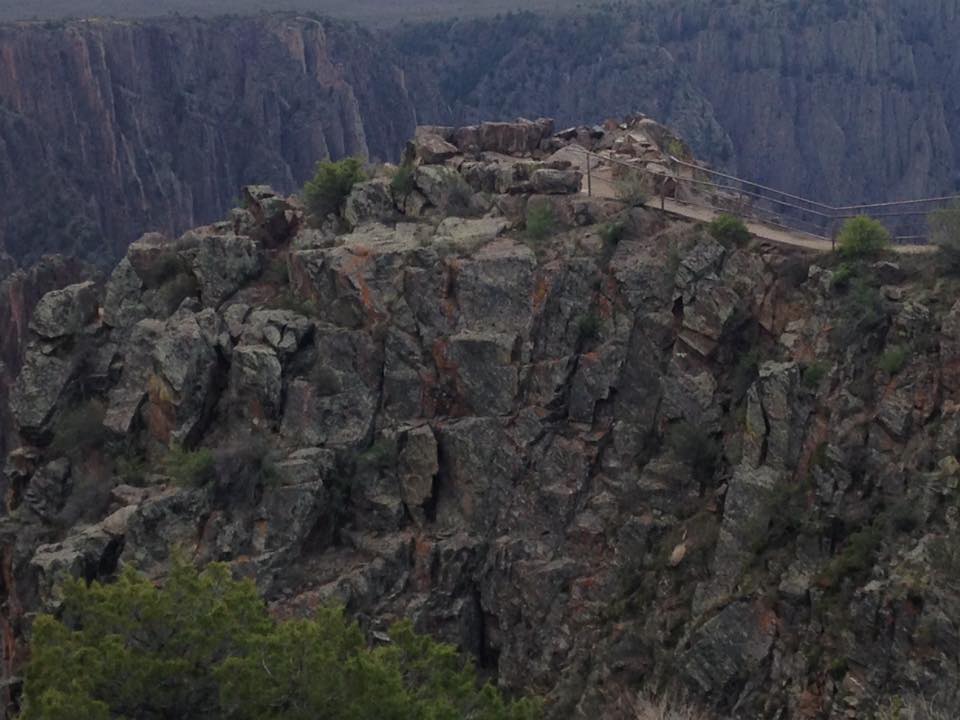

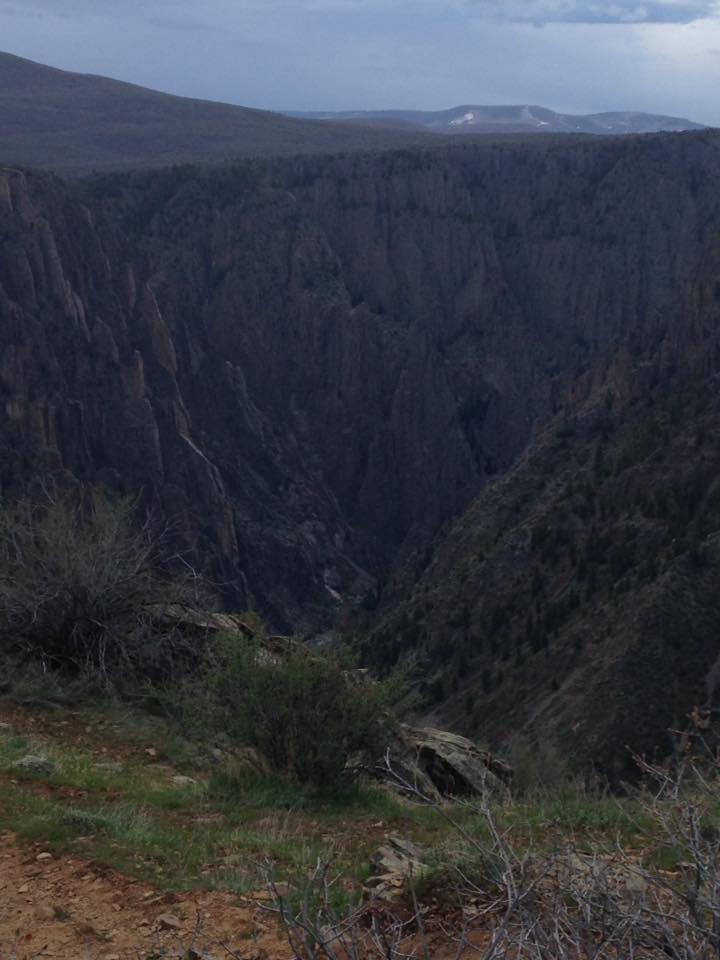
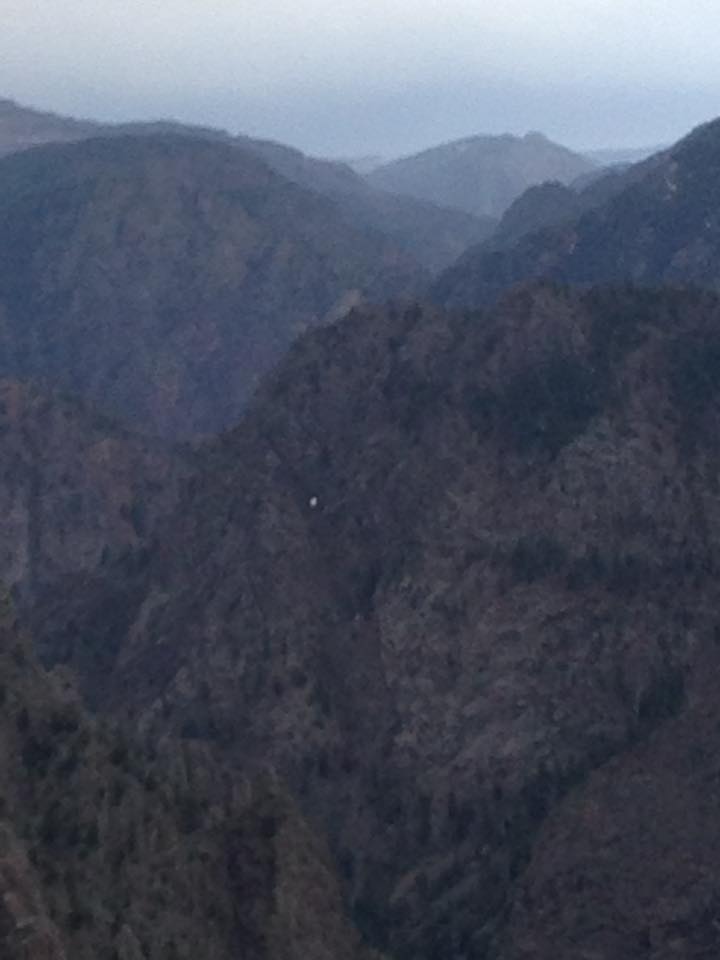
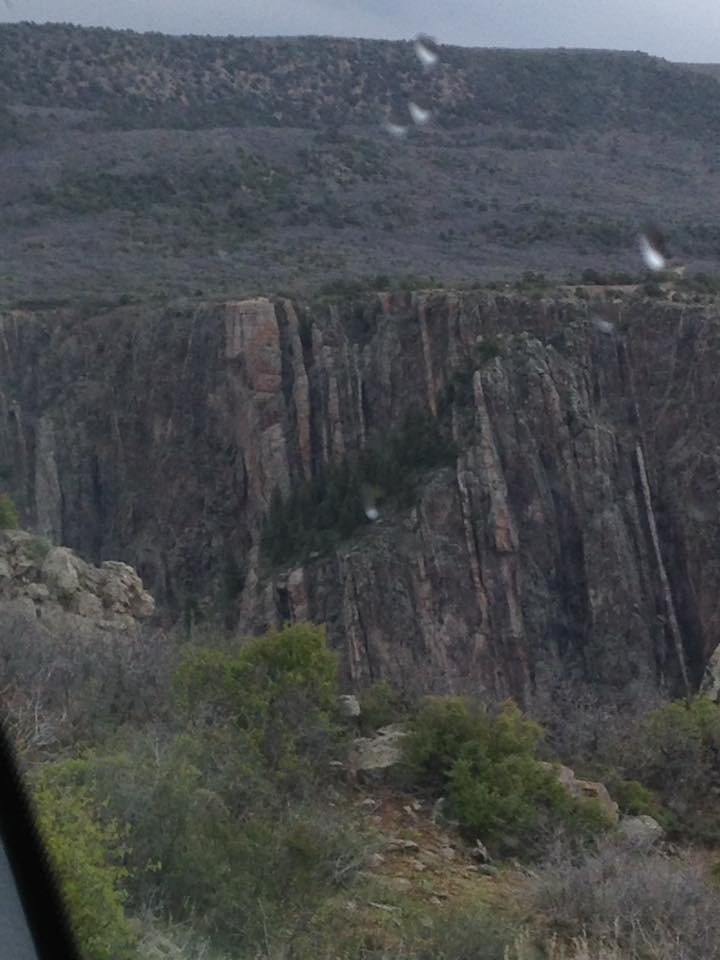
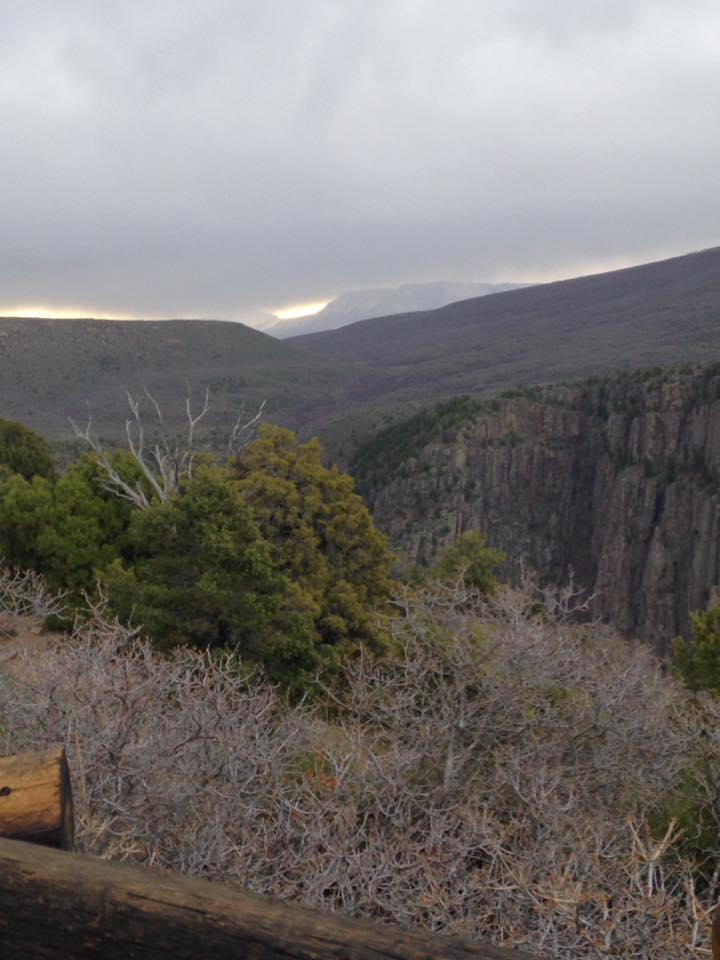
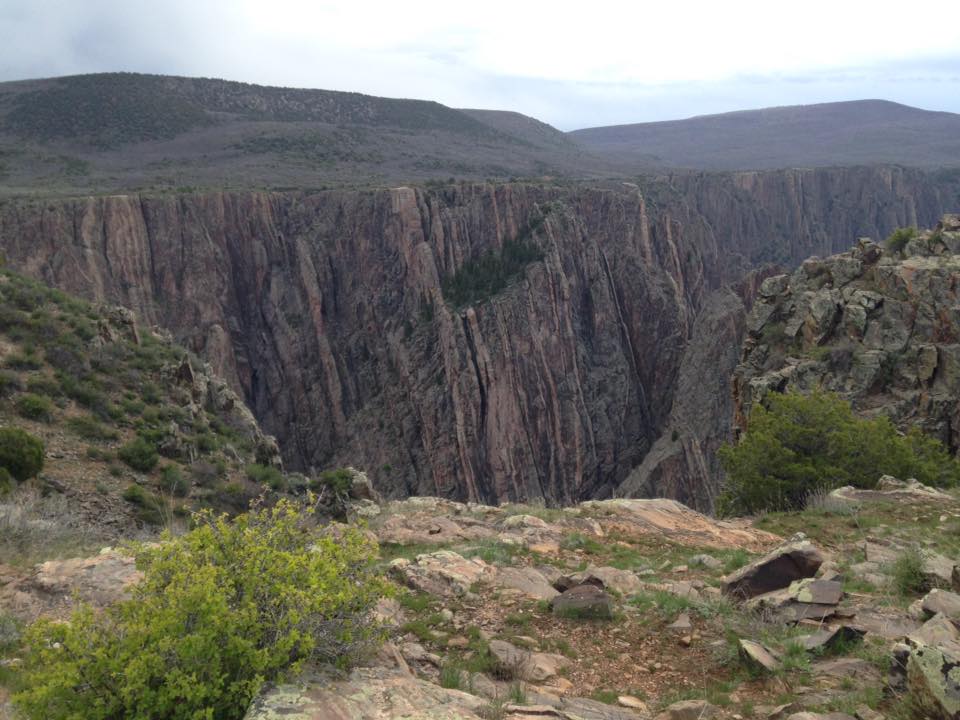
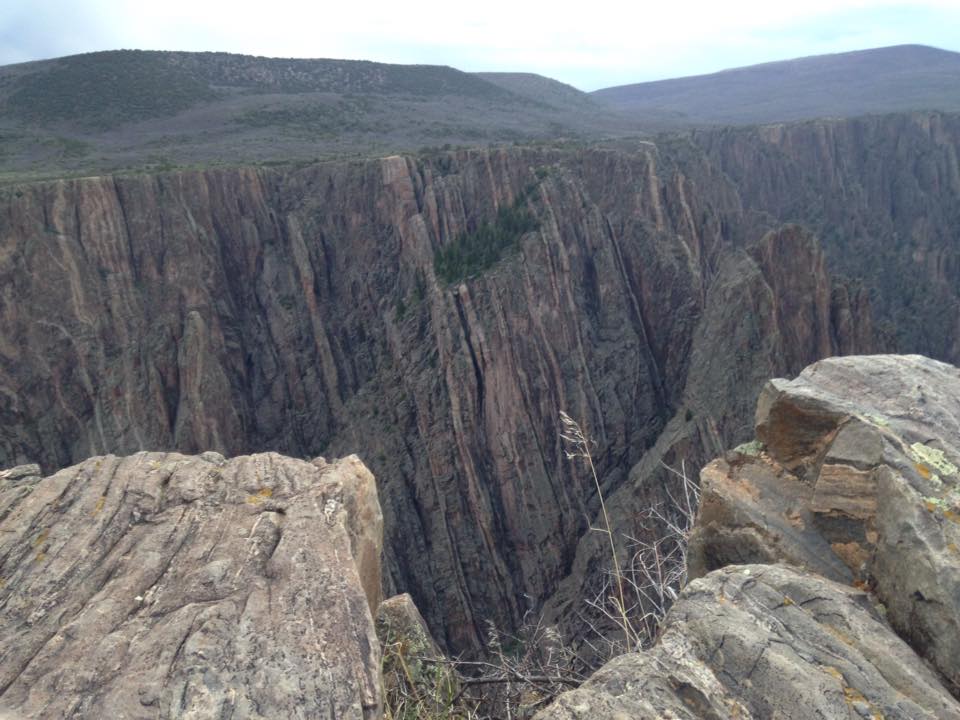
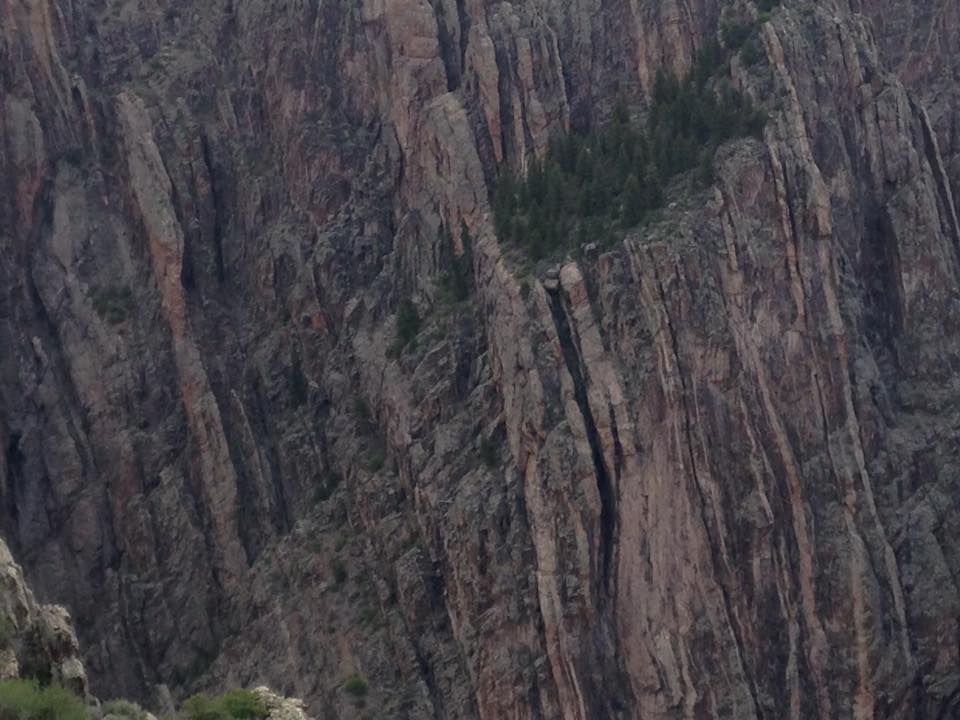
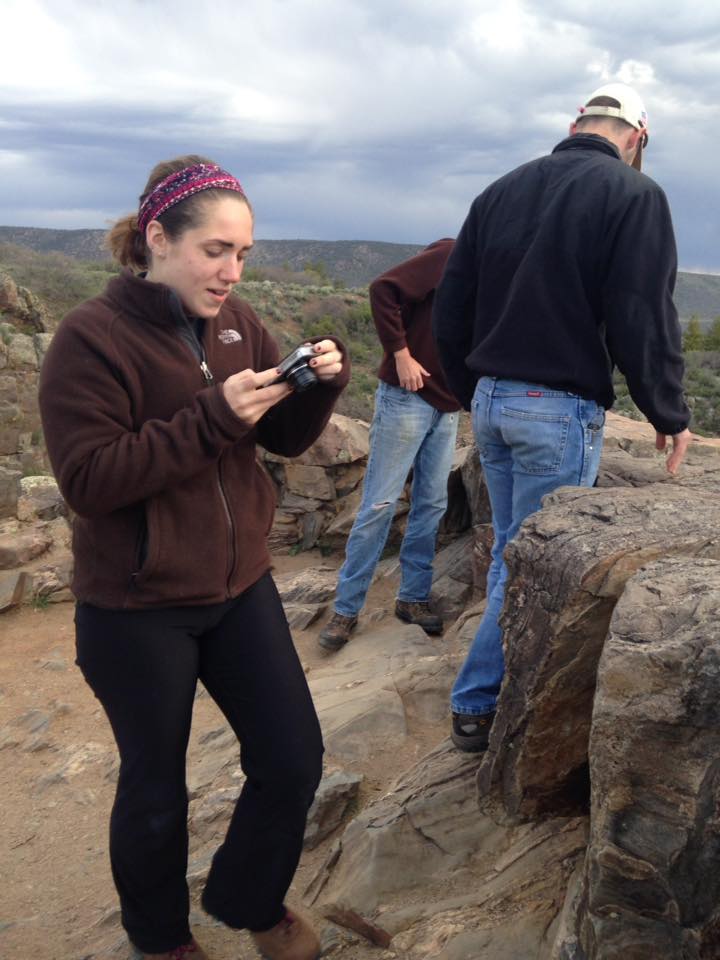
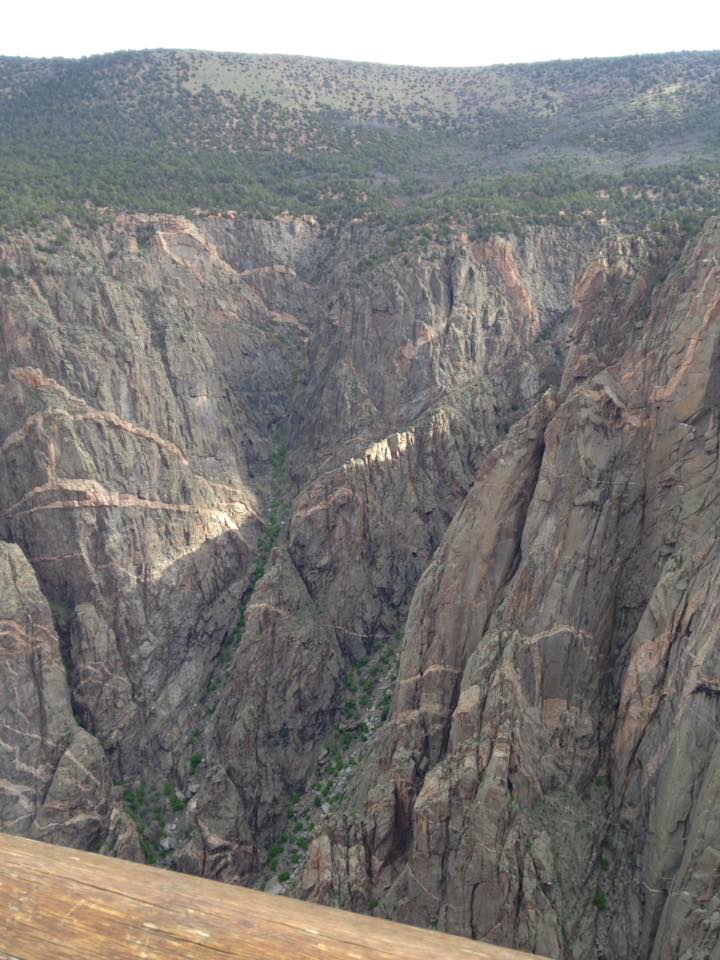
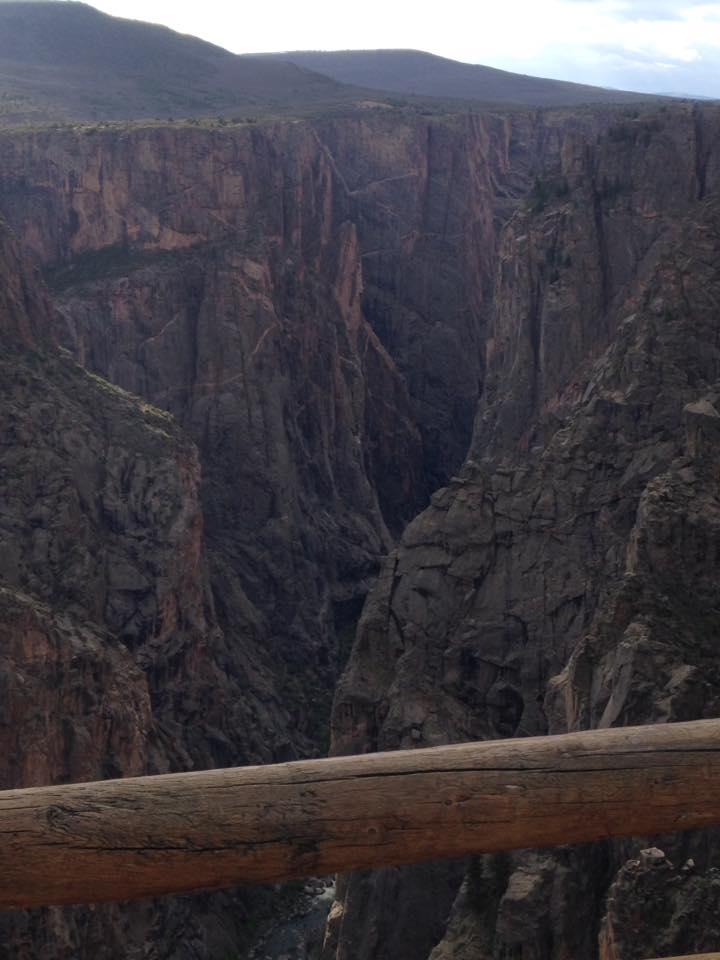
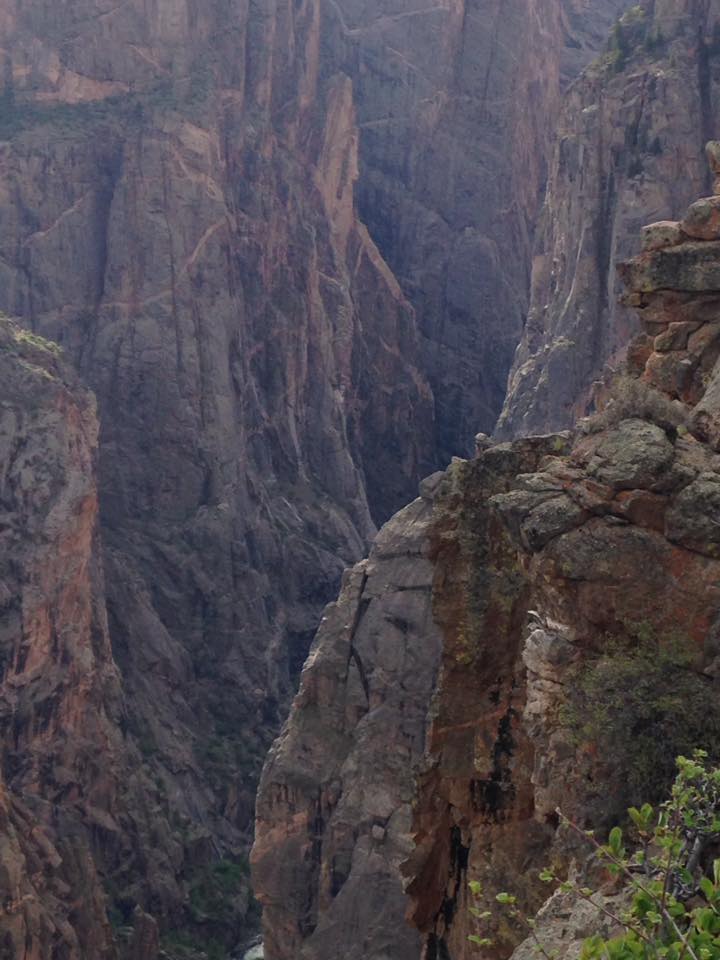
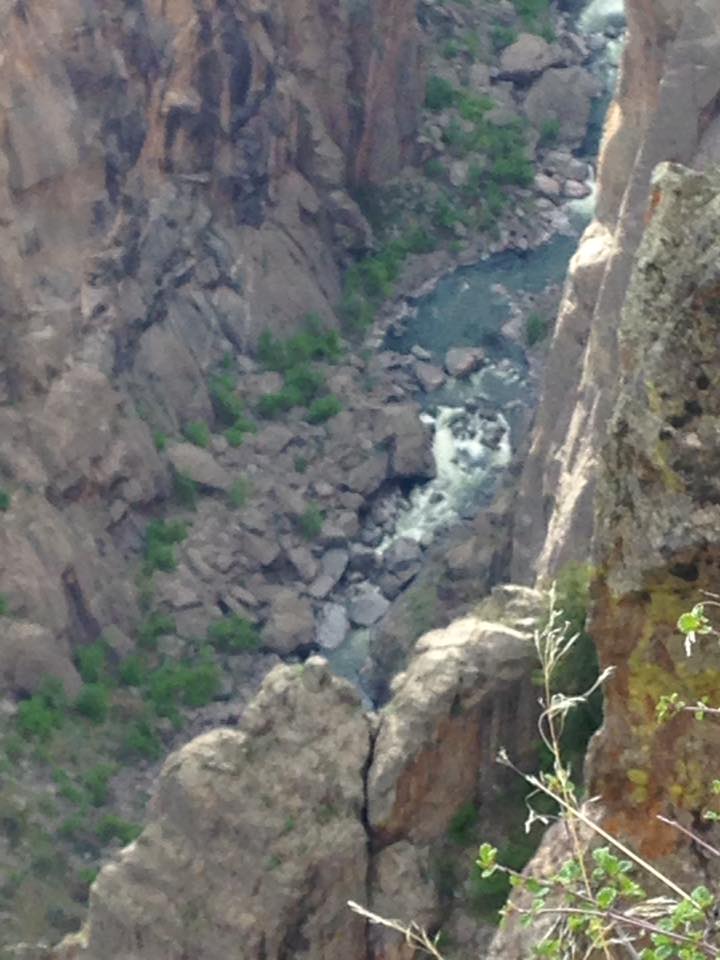
The clouds eventually disappated and it cleared up pretty nicely, so I ended up taking a lot of pictures – especially as the sun started to come out. I also took a lot of pictures of the Gunnison River that runs through the Black Canyon:
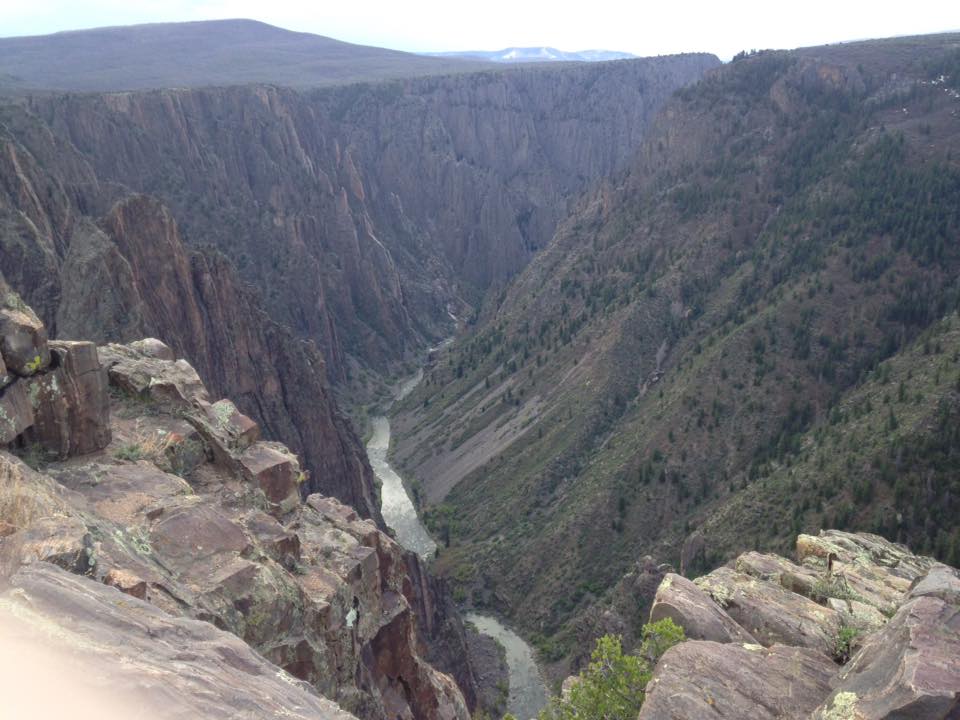
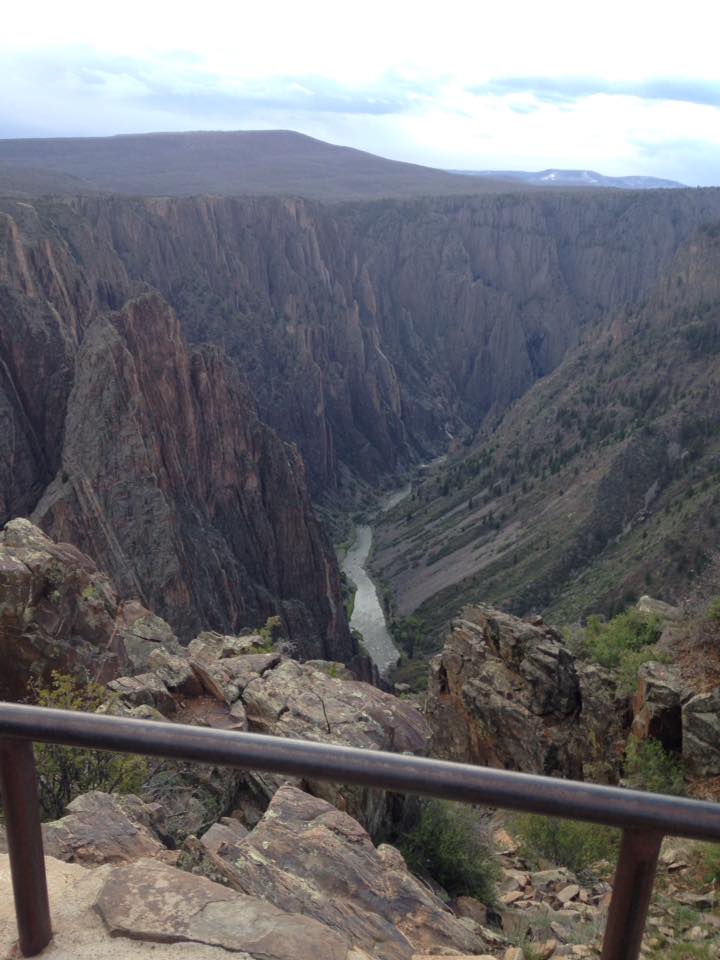
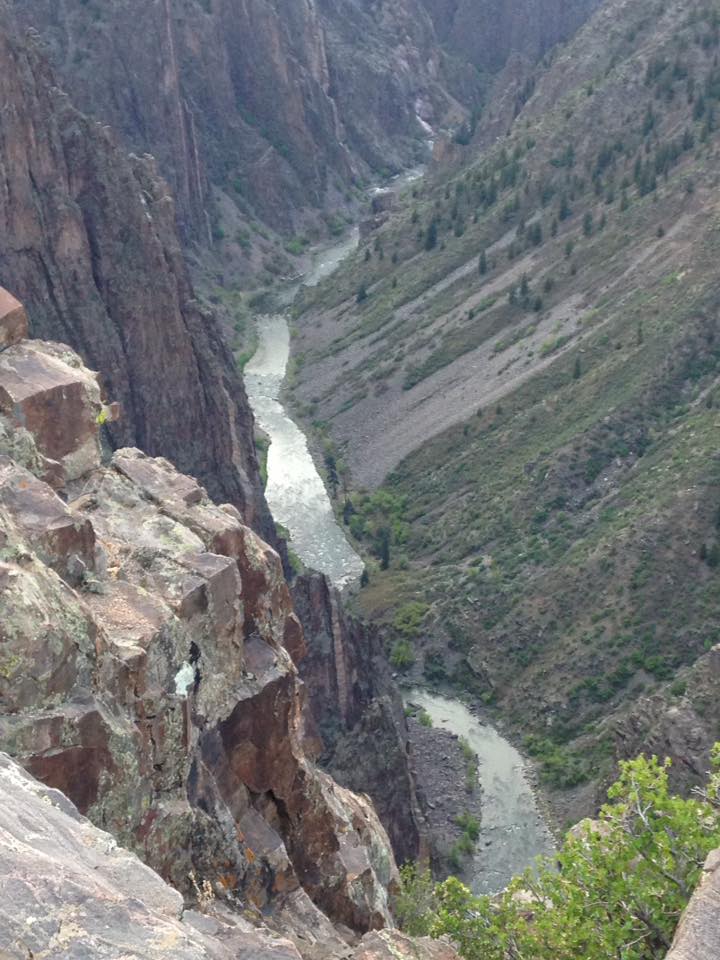
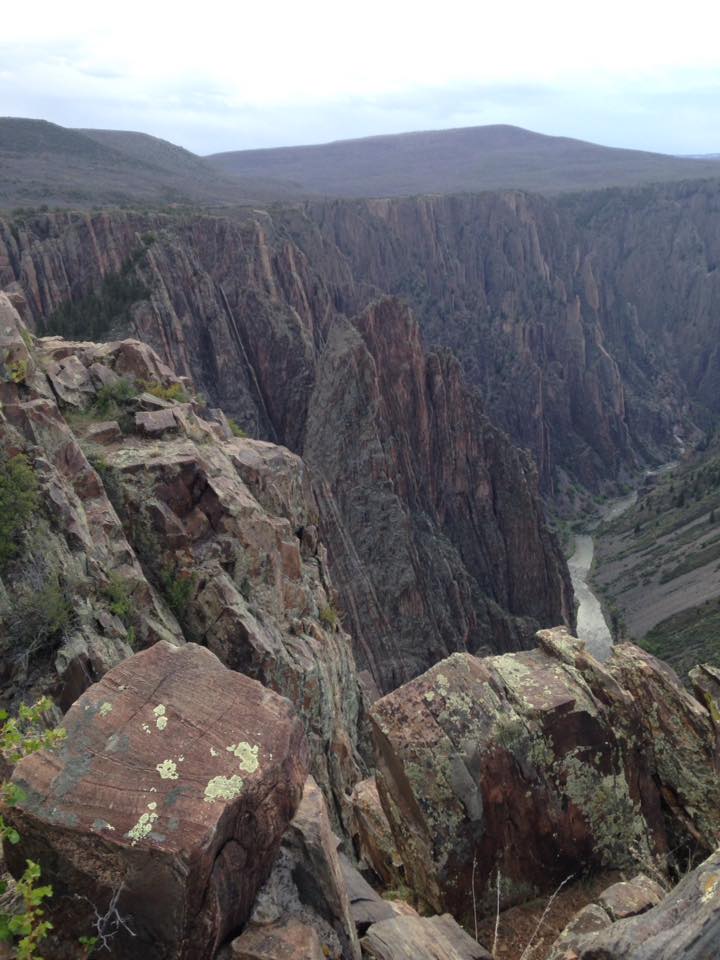
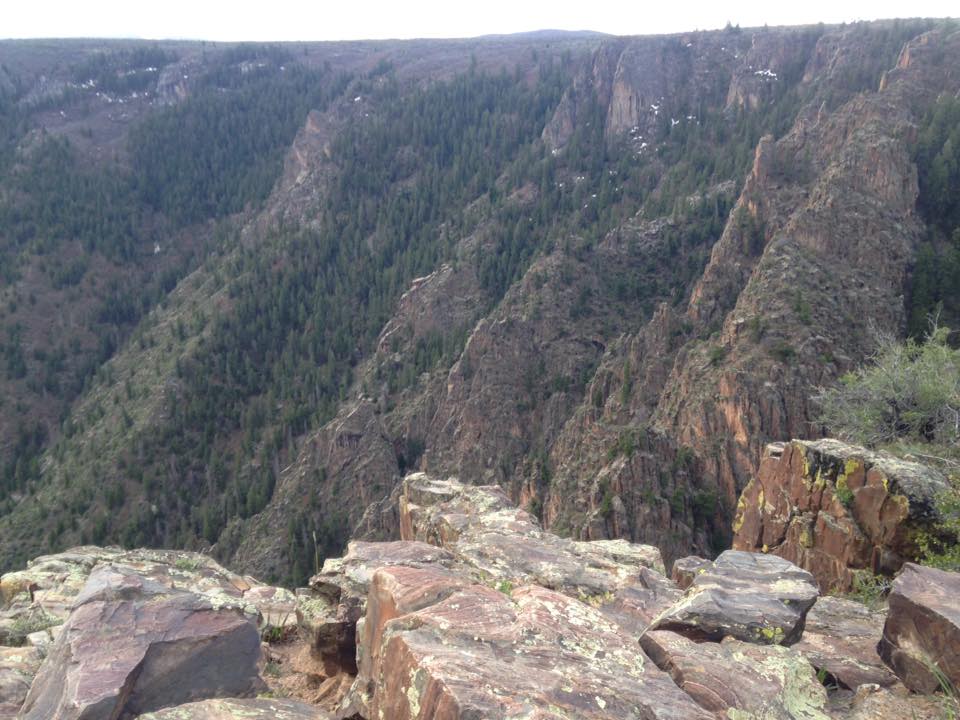

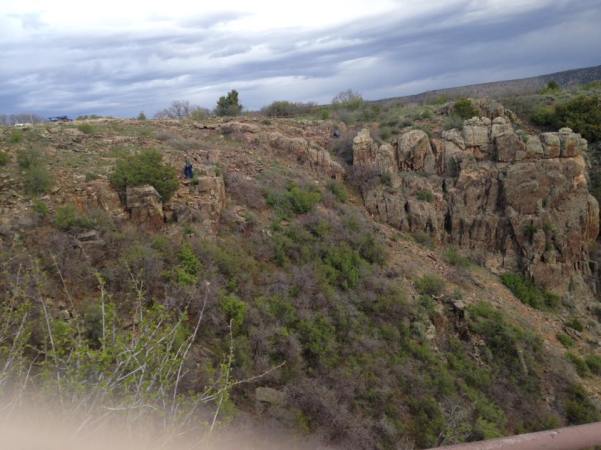
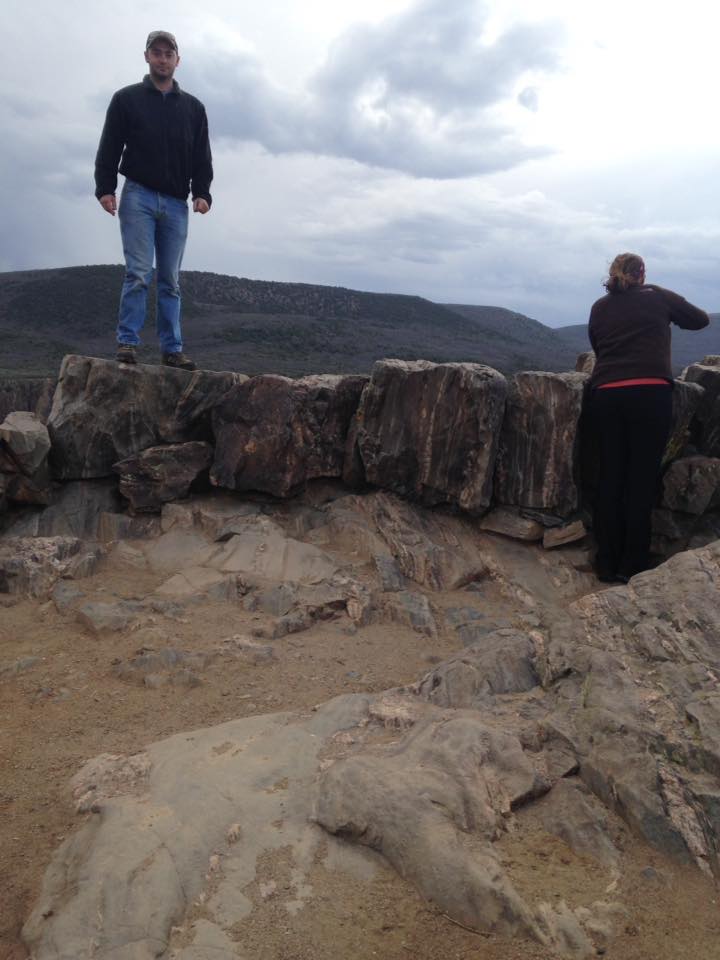
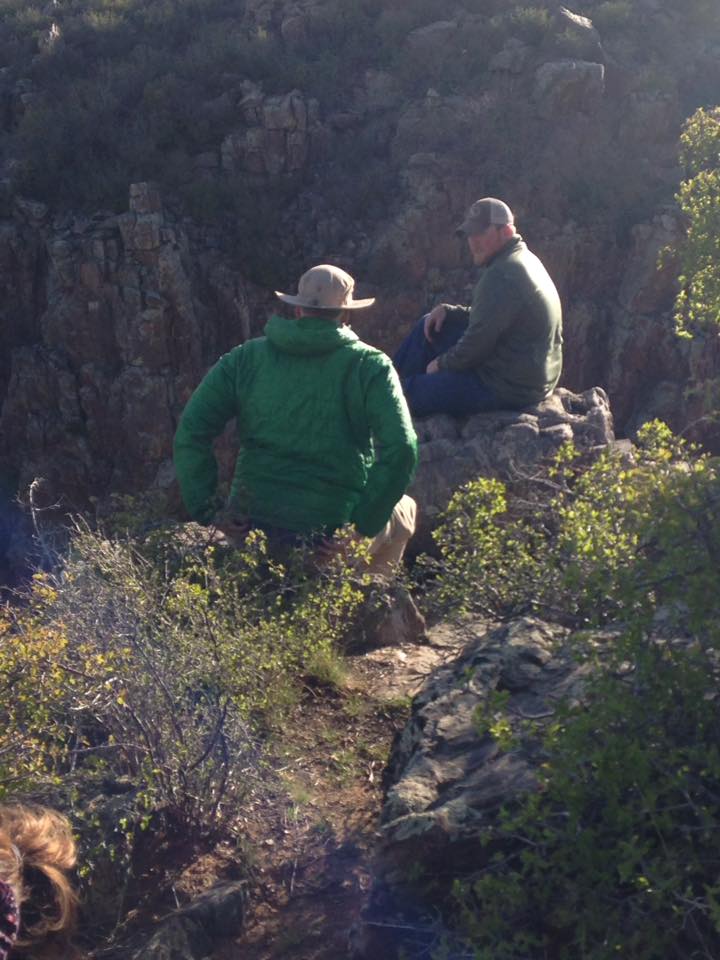
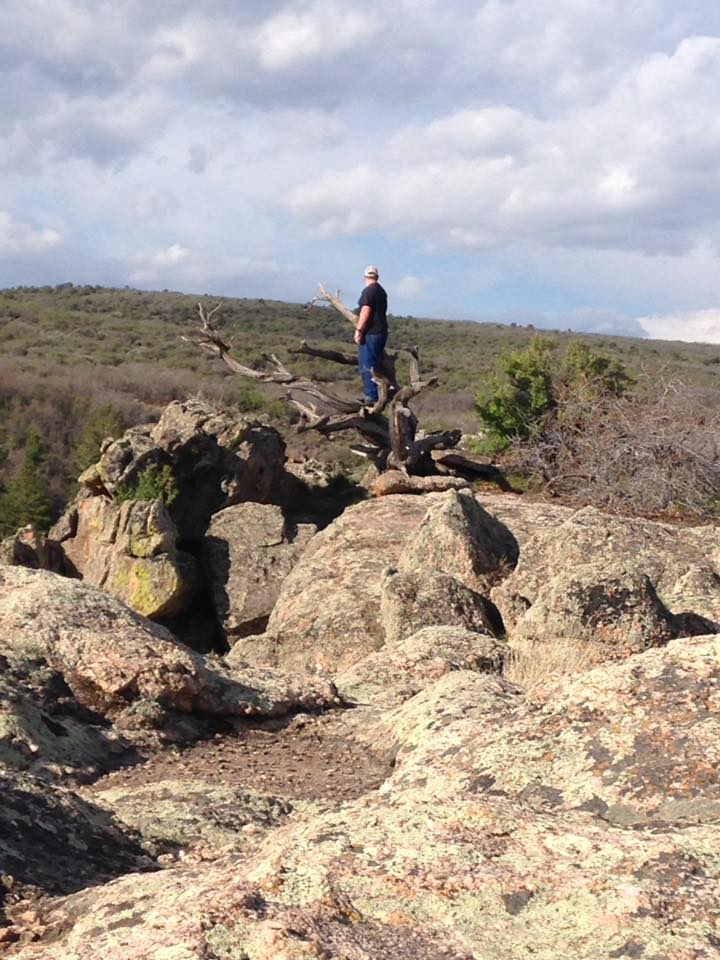
At one point, Coleman walked around one of the sites that we were at and ventured towards the edge of the Canyon, and Gene jokingly yelled out from where I was standing:
“Coleman, don’t jump! We care, and we’re here for you!”
His voice echoed throughout the Canyon and everyone started laughing. Then Coleman made a motion like he was about to jump, and then he started to walk away from the edge:
Meanwhile, the rest of us were still walking around and taking pictures. And we quickly realized that not only was the air thin and dry – but it was FREEZING. And the wind didn’t make it any better.

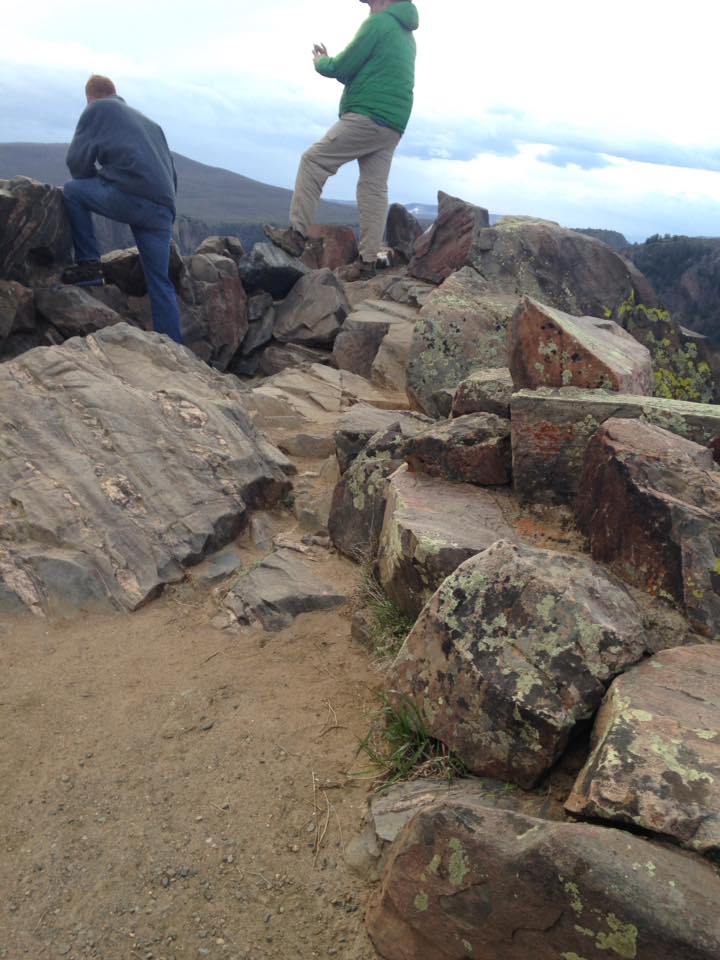
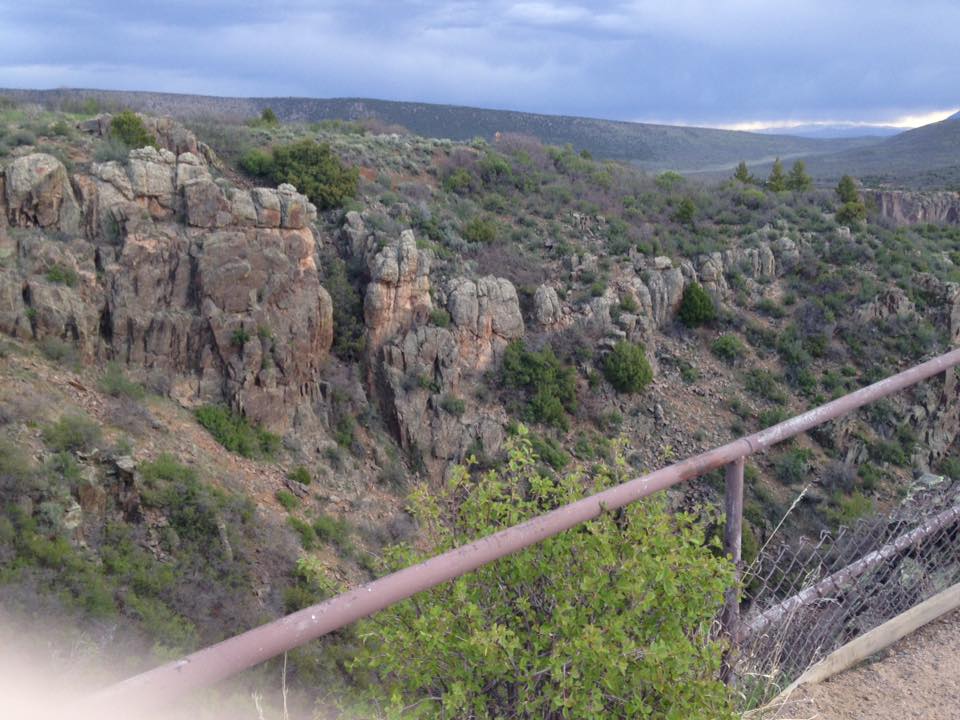
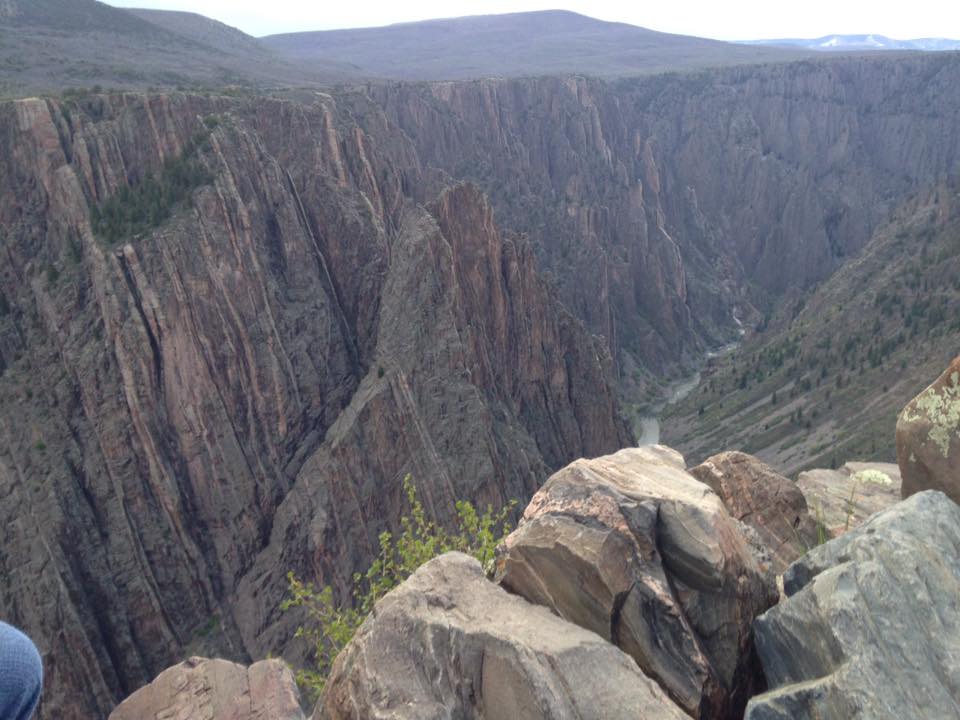
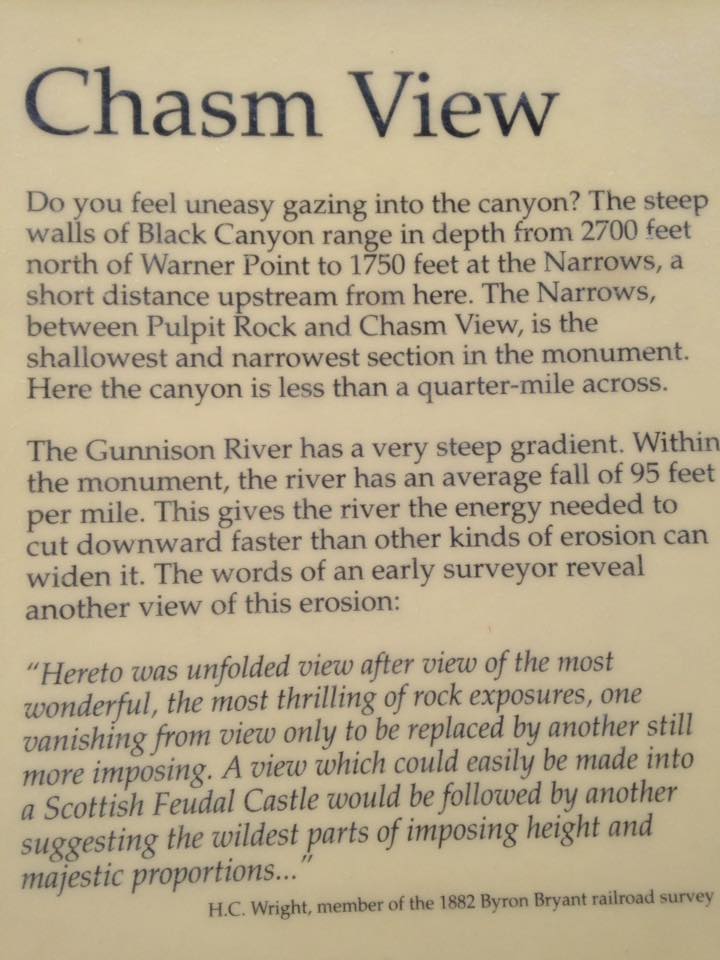
Side note, here’s some info about the “Shaping of the Canyon”:
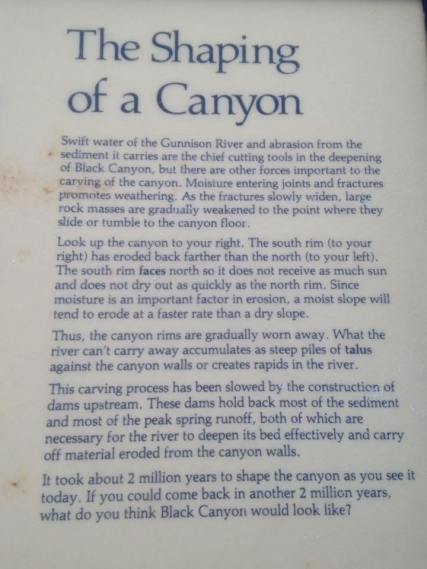
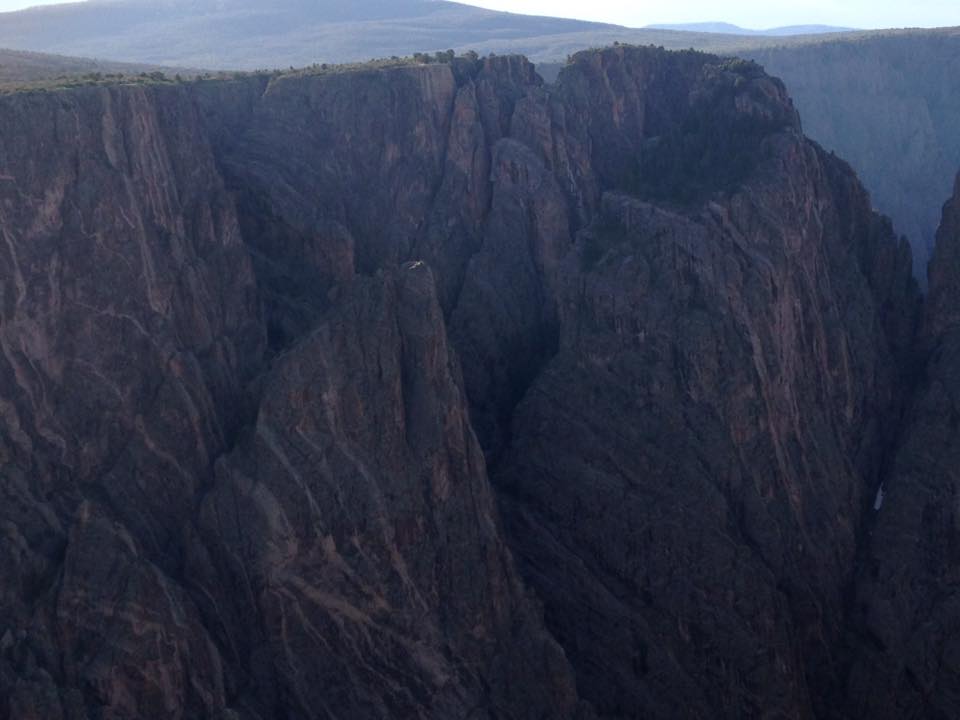
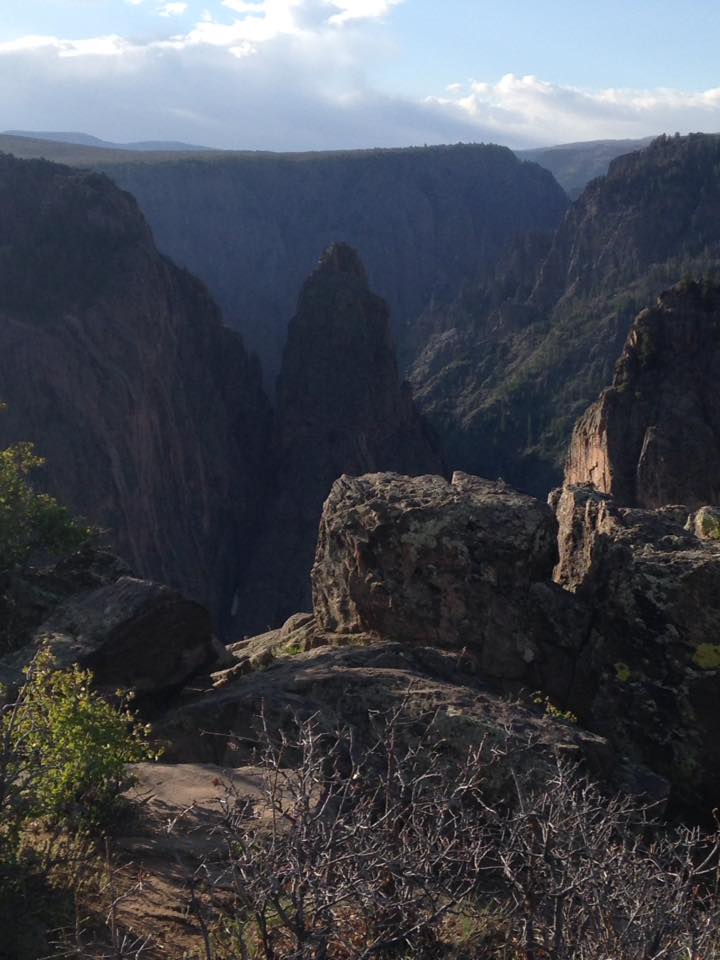
And here are some more pictures (I was obviously VERY obsessed with this Canyon, mostly because I’d never seen a canyon in person before.):
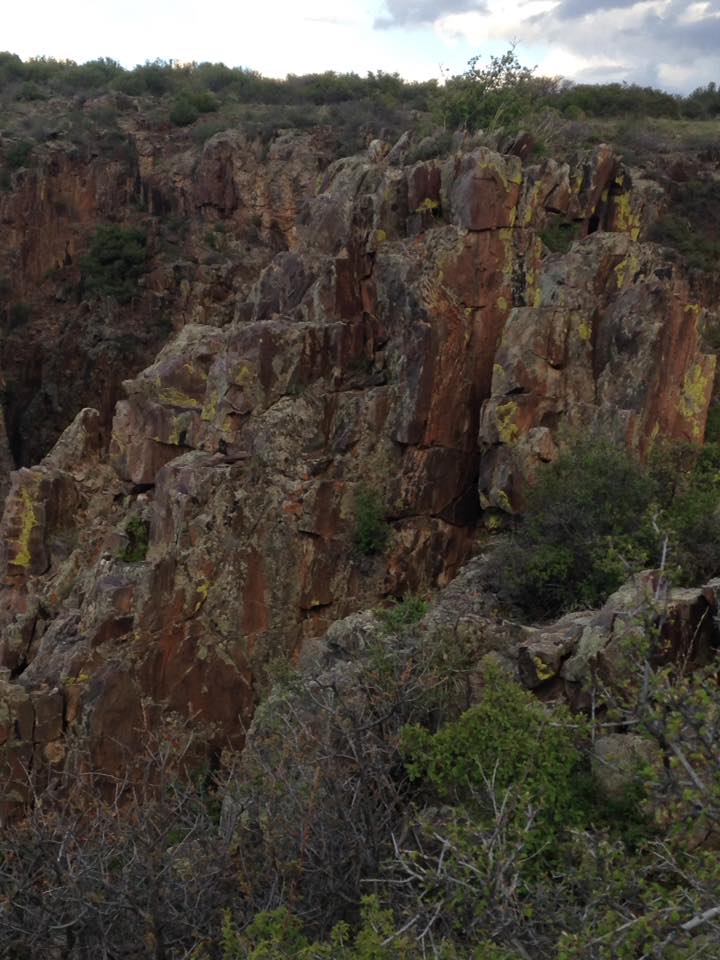
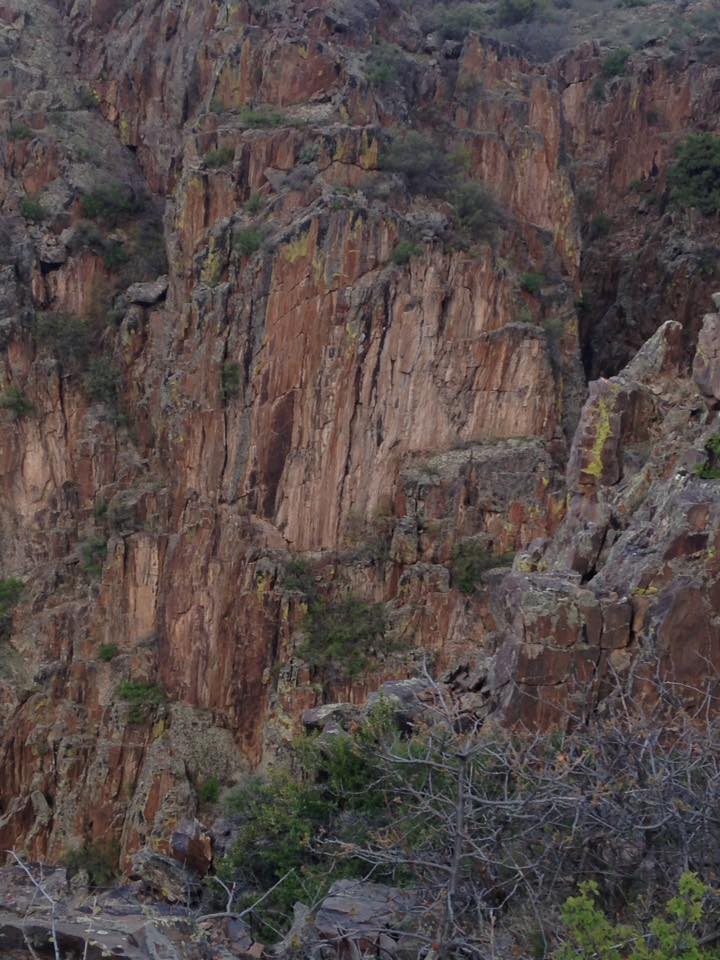
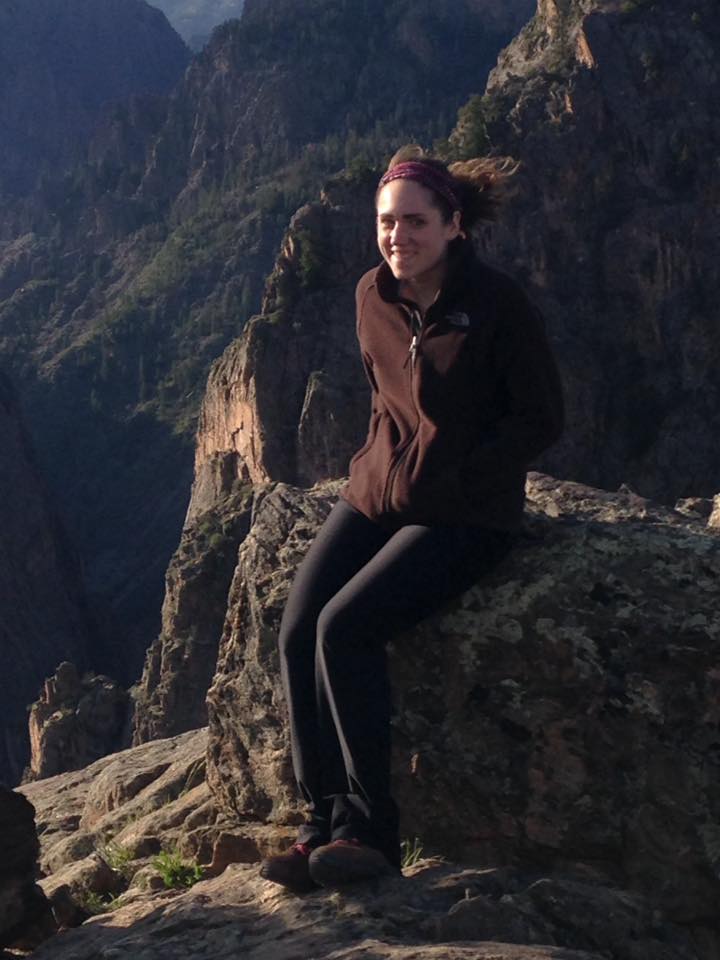
And then the sun finally started to come out! Which made the Canyon even more beautiful (and it also made the air a little warmer):
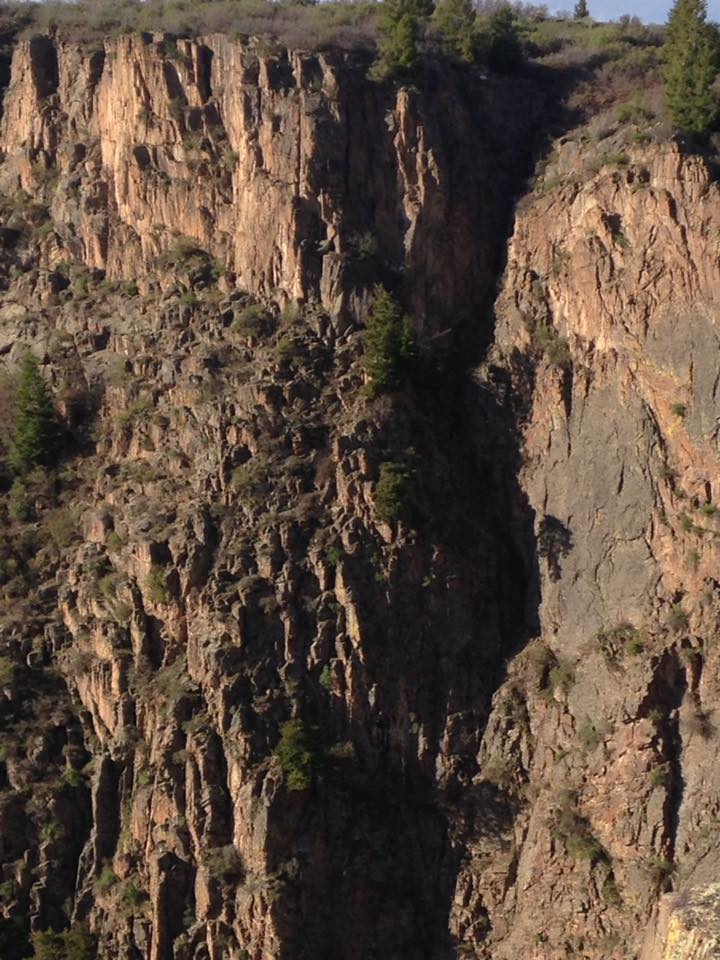
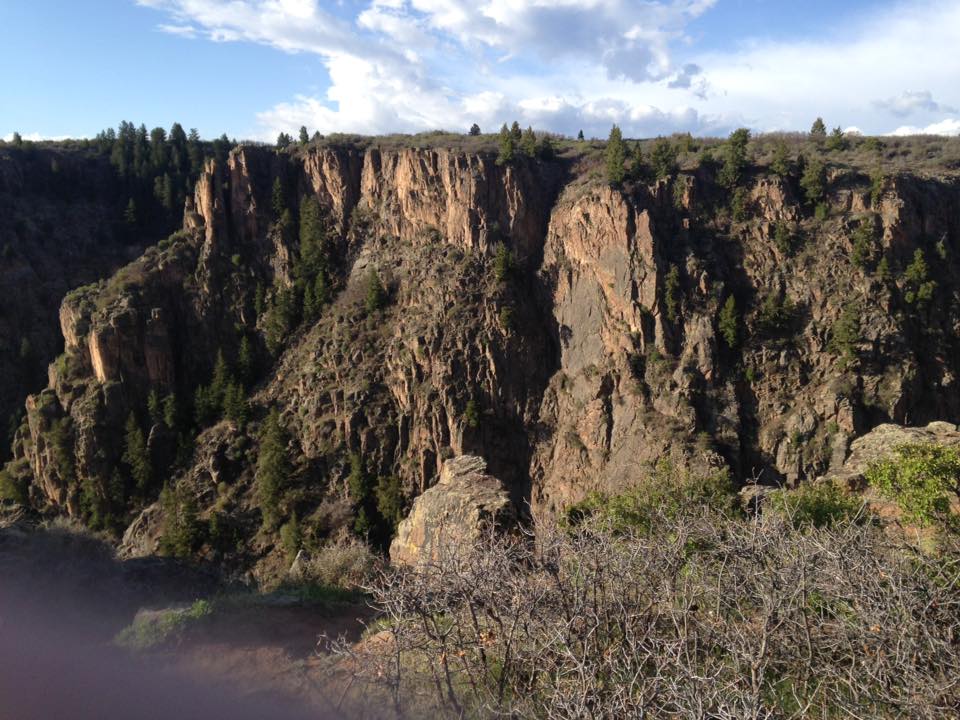
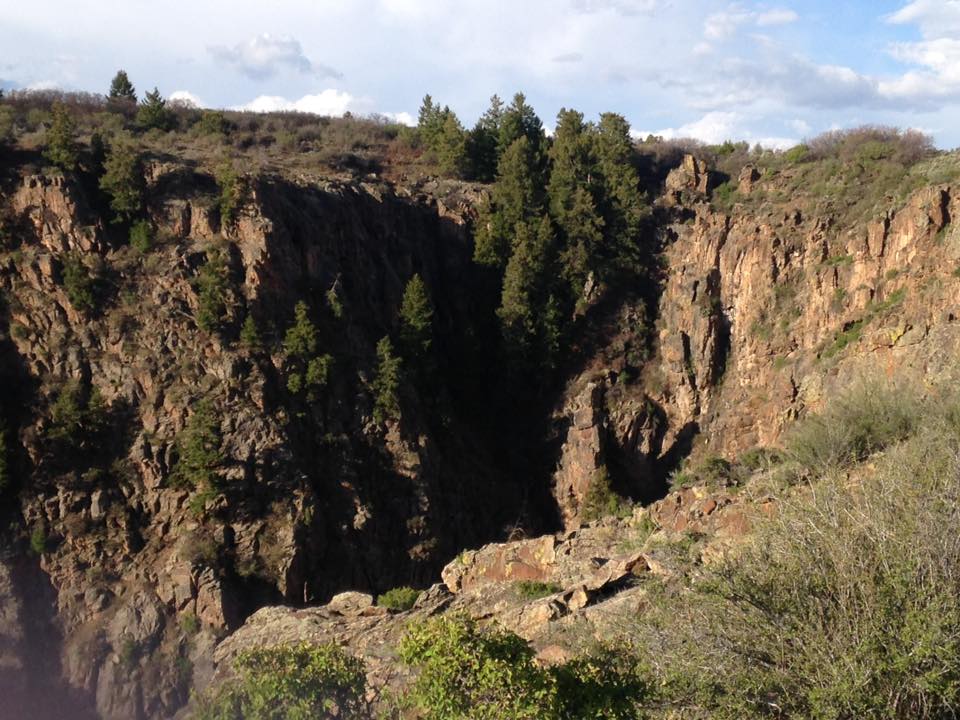
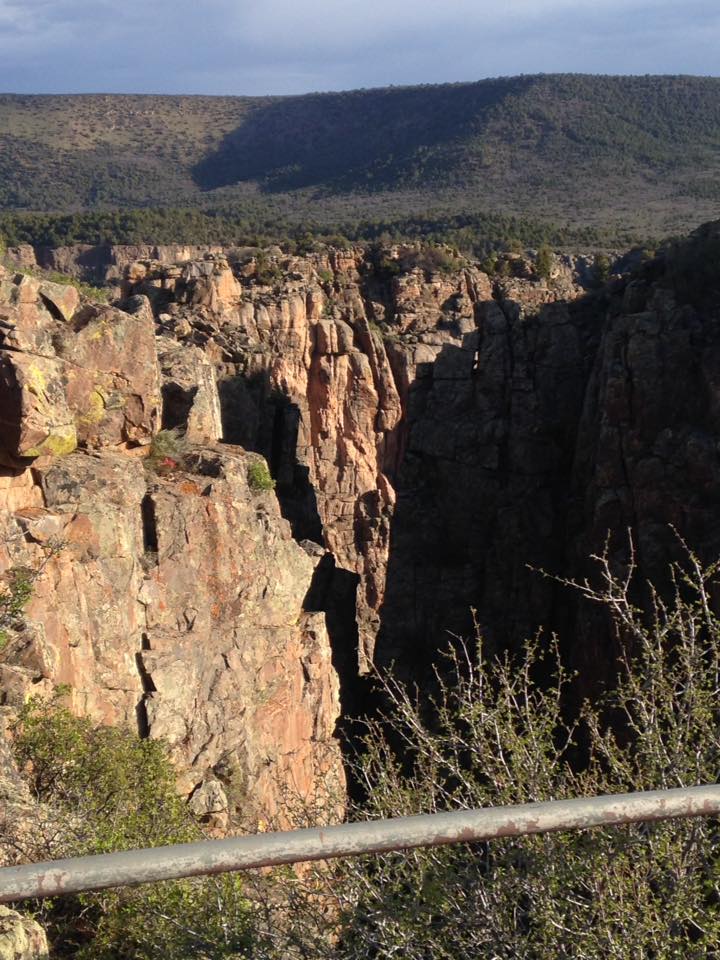
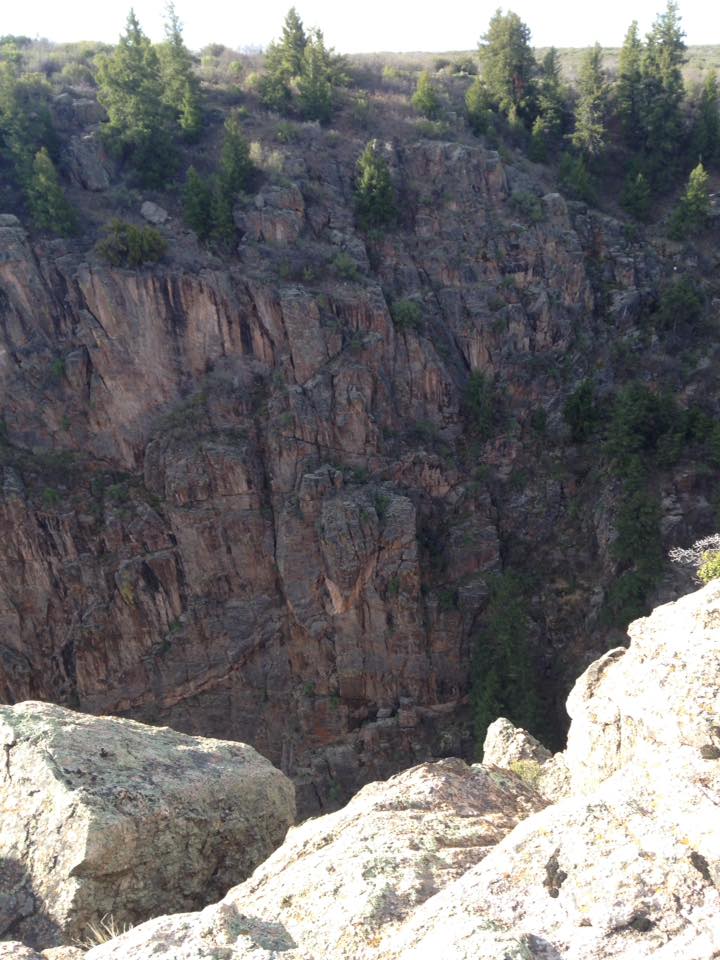
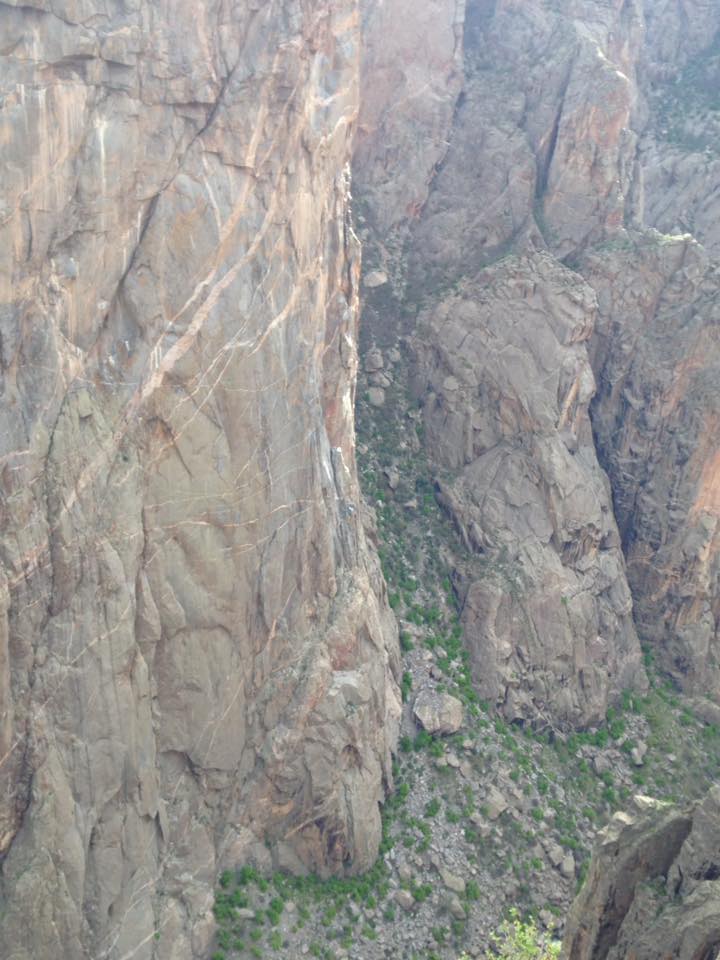
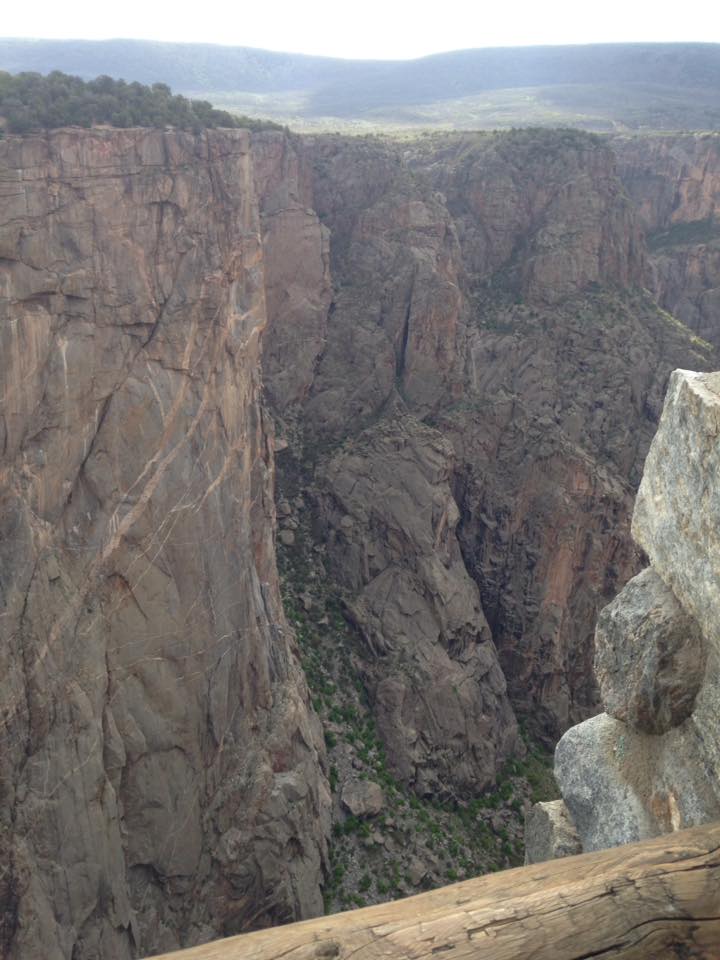
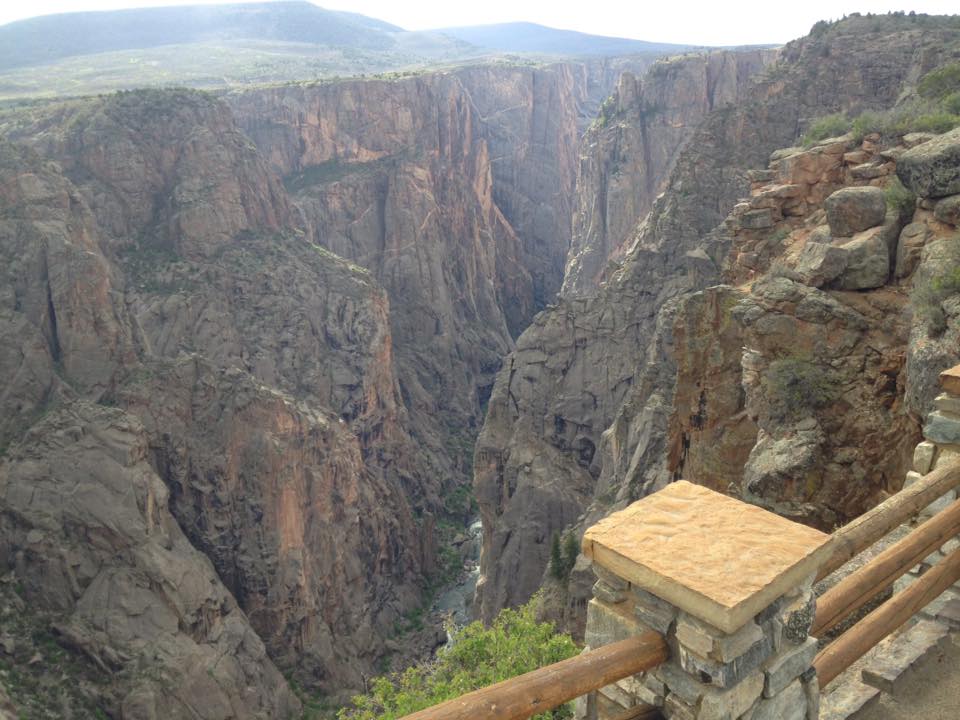
There was also one spot in particular that scared the s*** out of me (because I’m terrified of heights), but because I’m stubborn – I wanted a picture of how deep the Canyon looked:
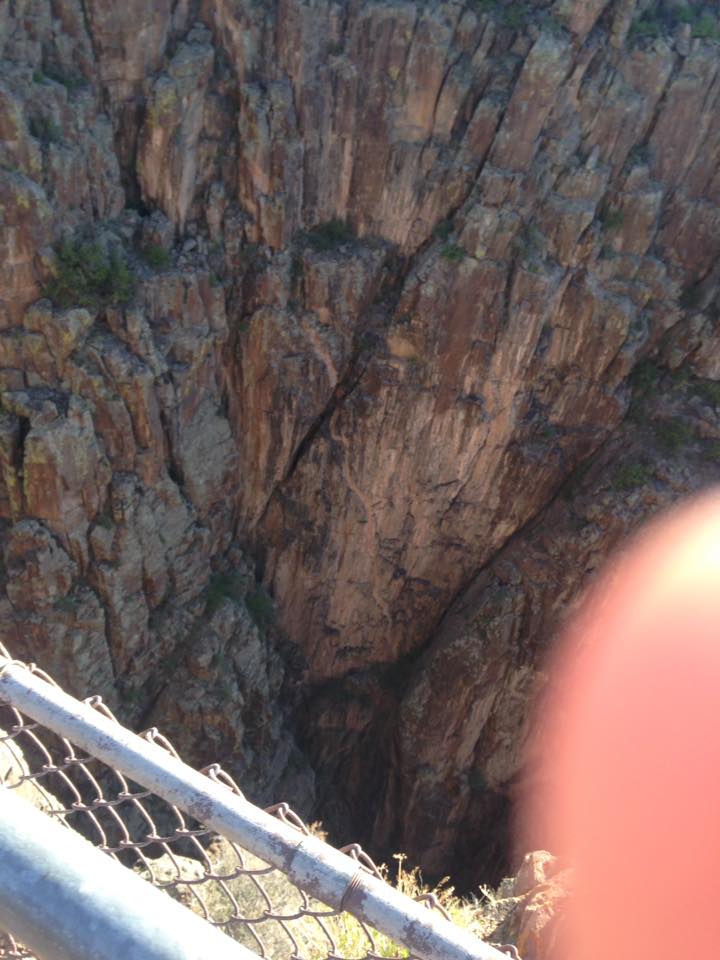
Obviously I didn’t get a great picture of the bottom (which none of us could actually see anyway), because I didn’t actually want to venture any closer to that railing/fence, but trust me – it was pretty steep.
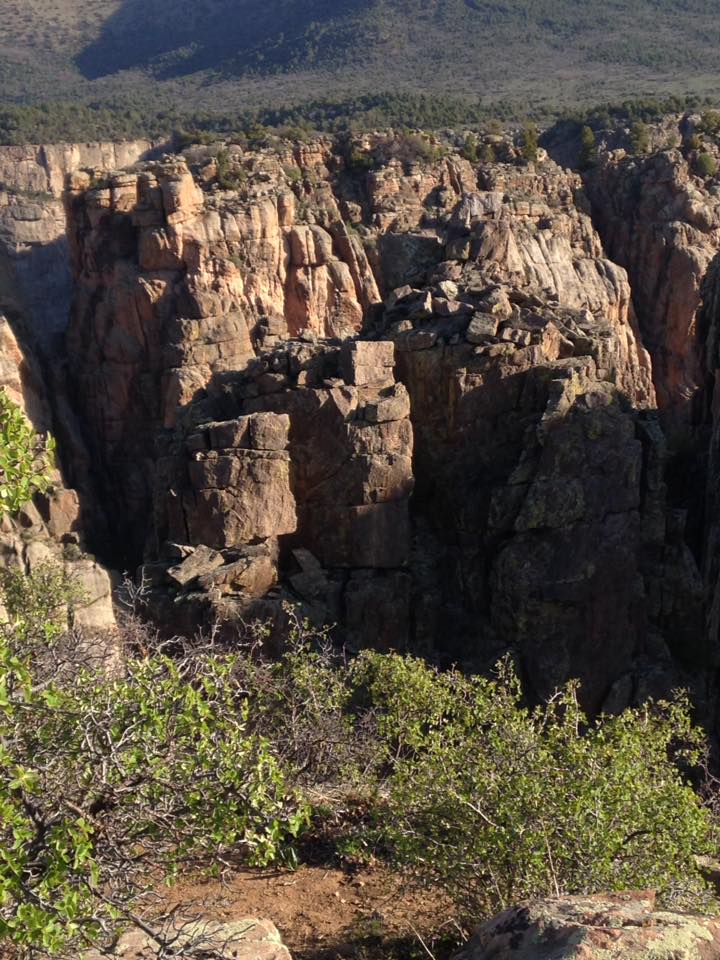
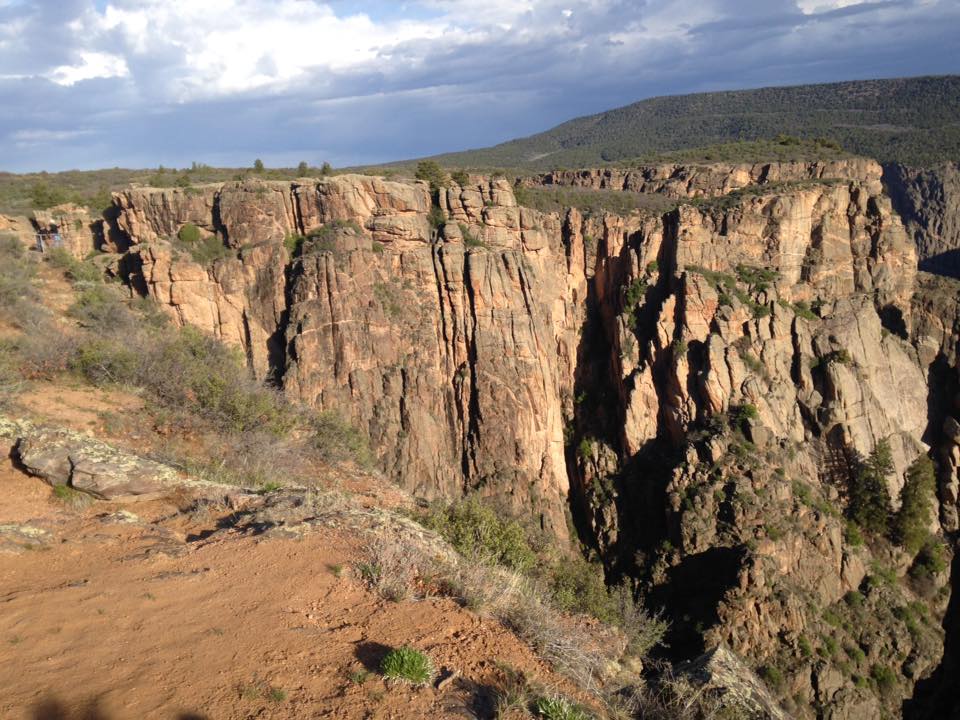
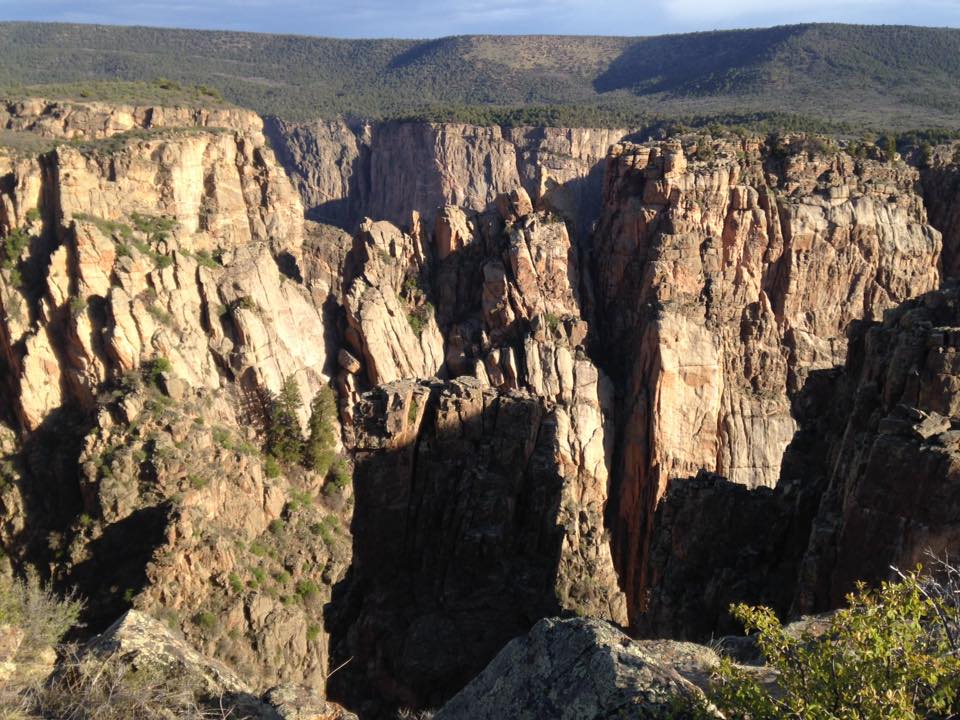

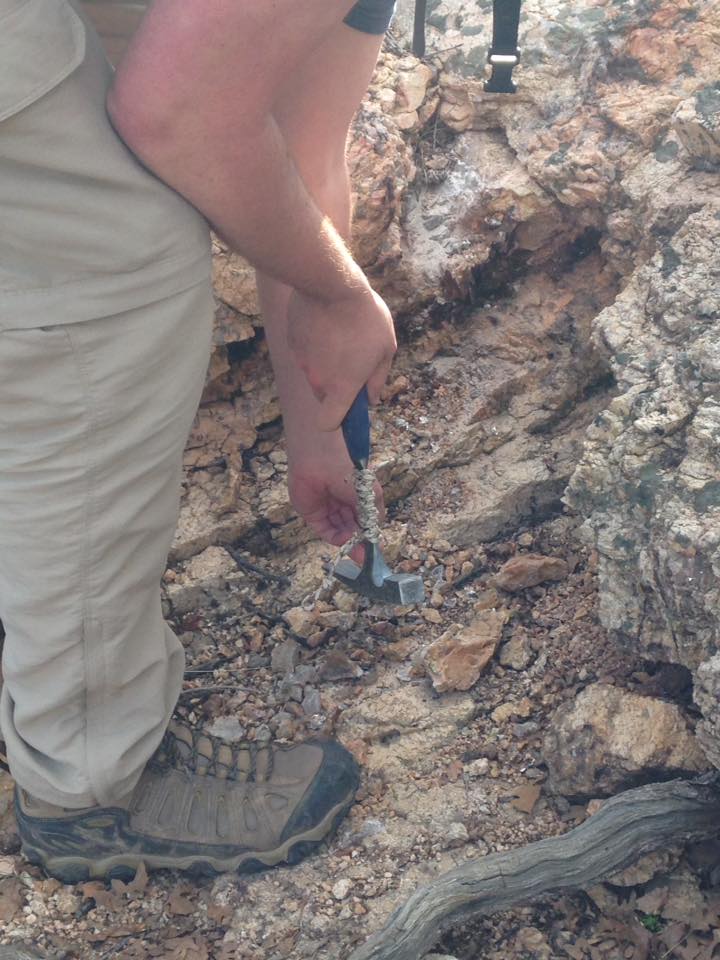
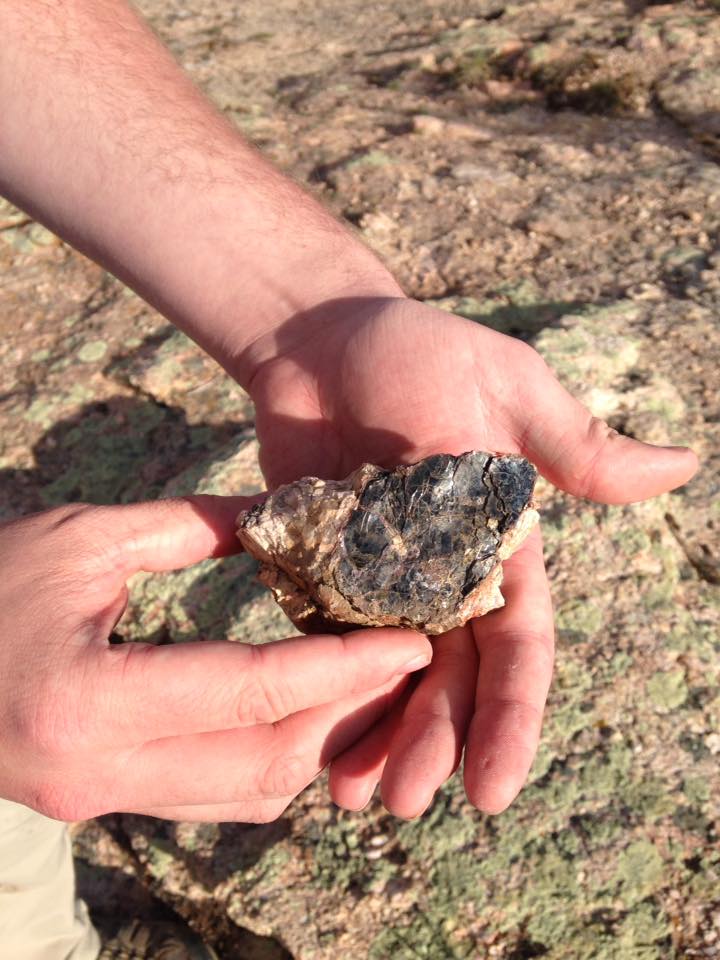
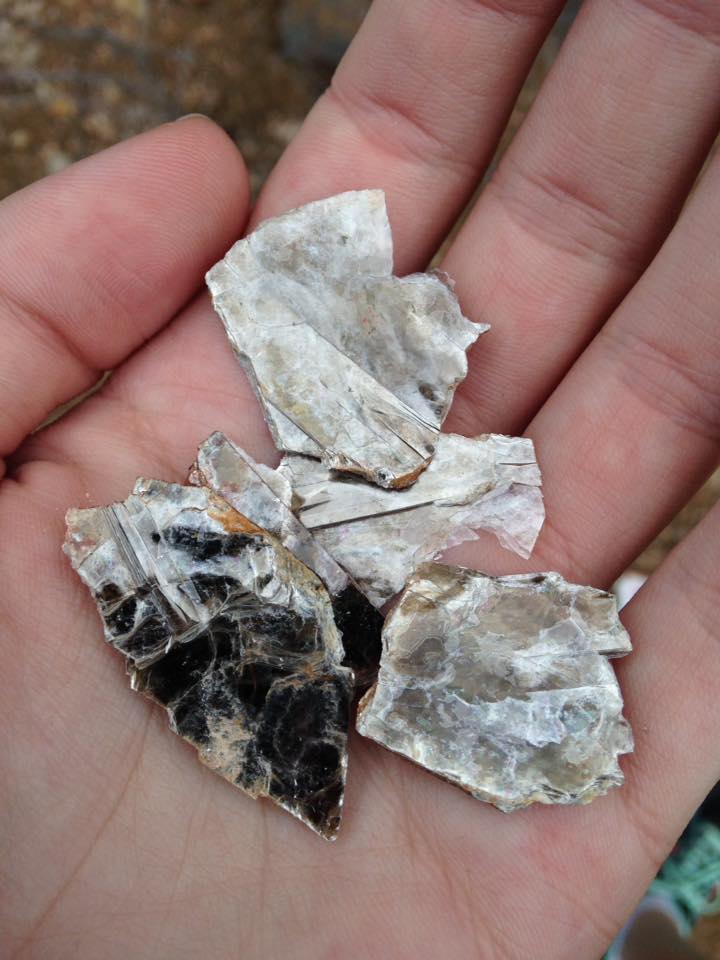
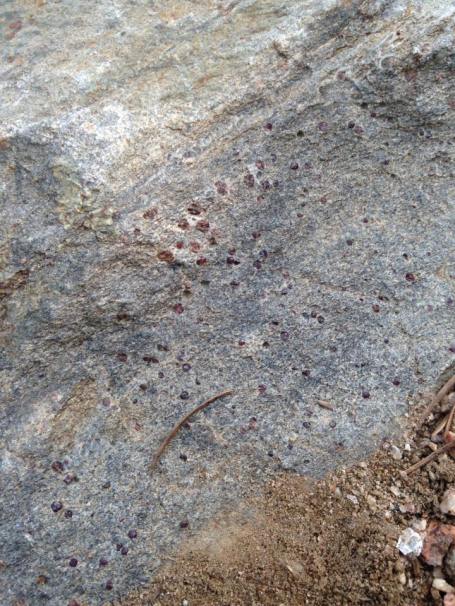
We also found some really cool rocks and minerals around the Black Canyon (like quartz, granite, mica, and garnet):
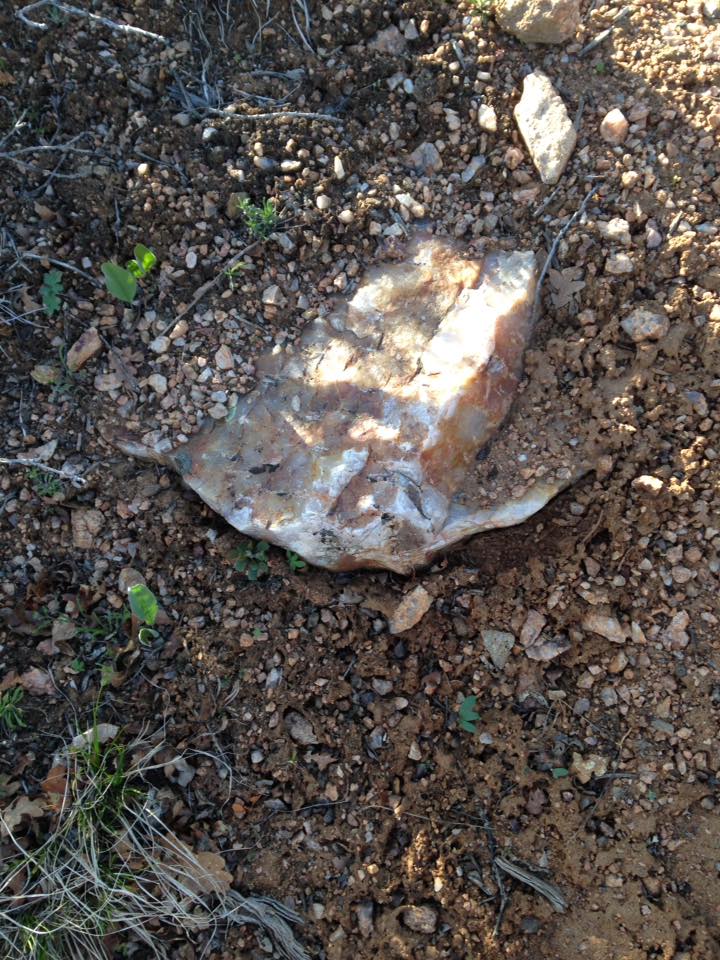
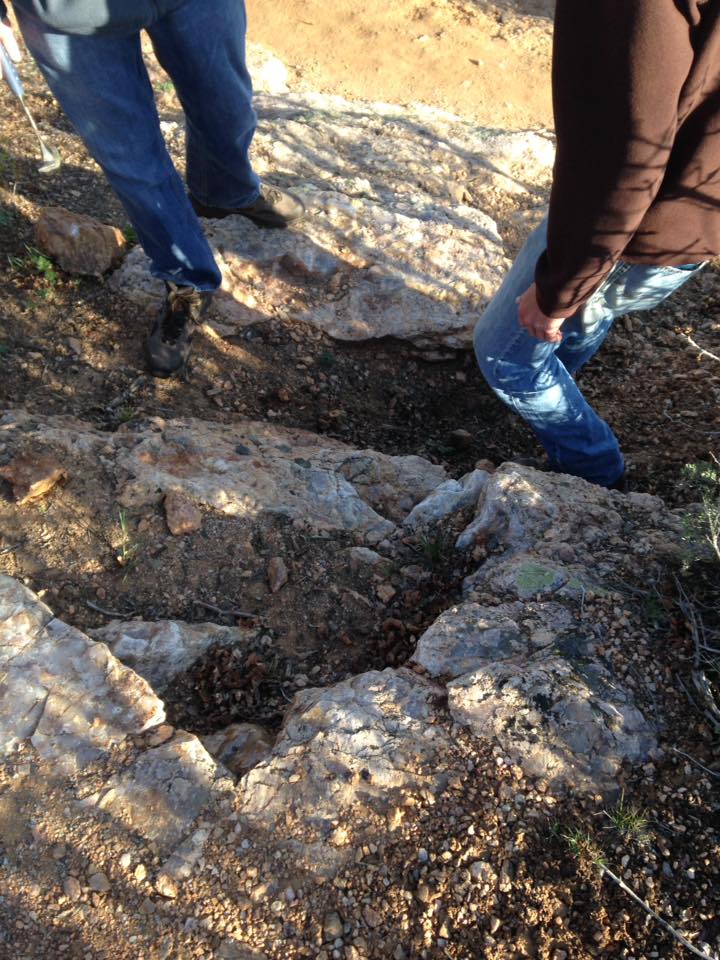
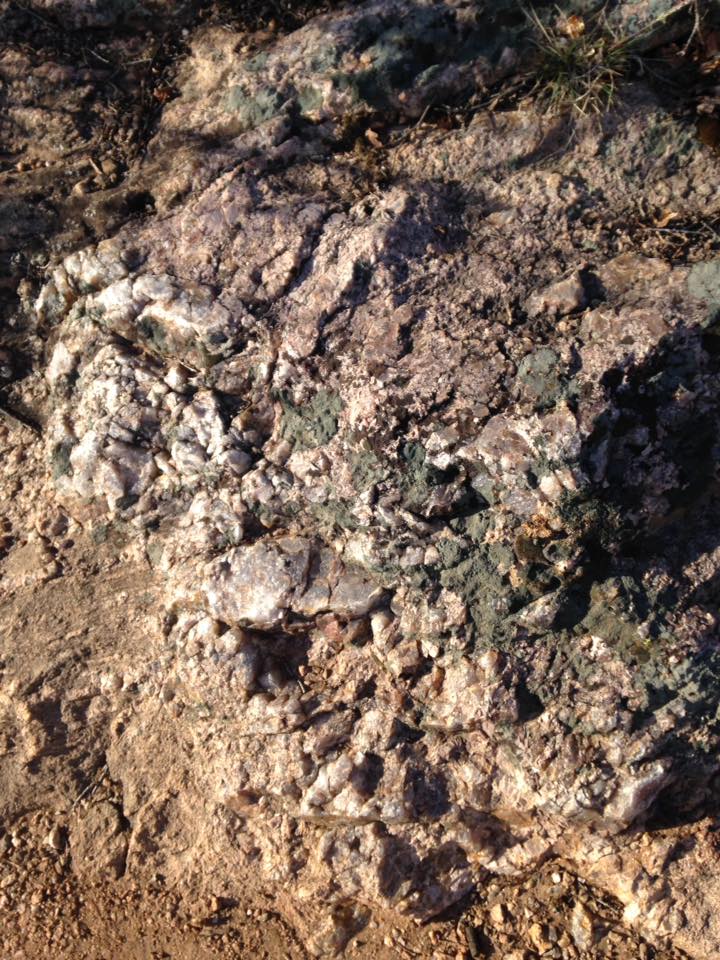
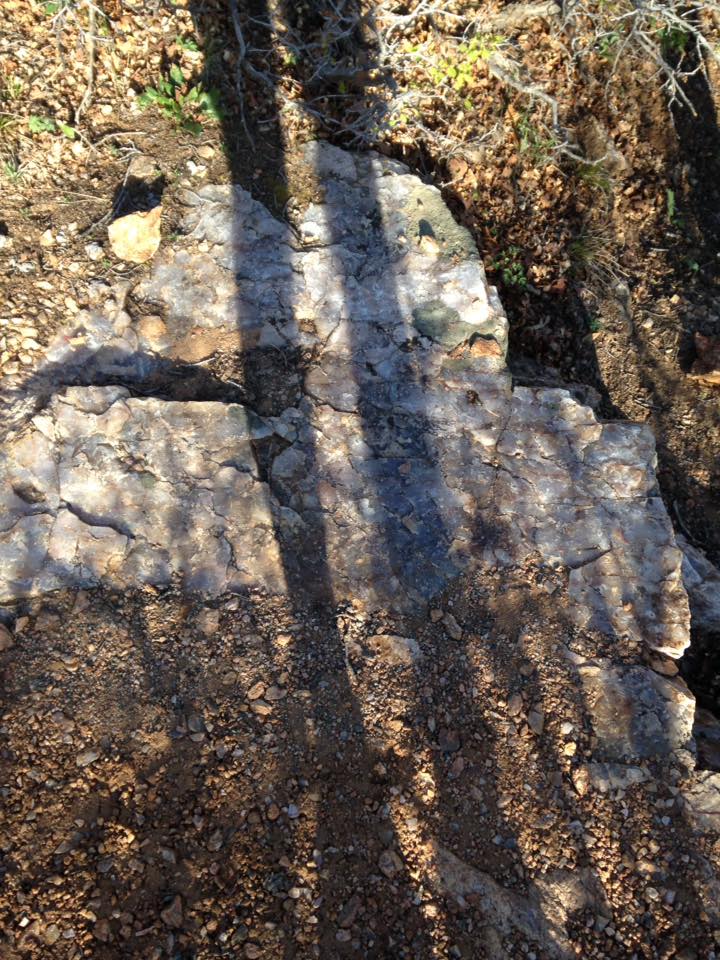
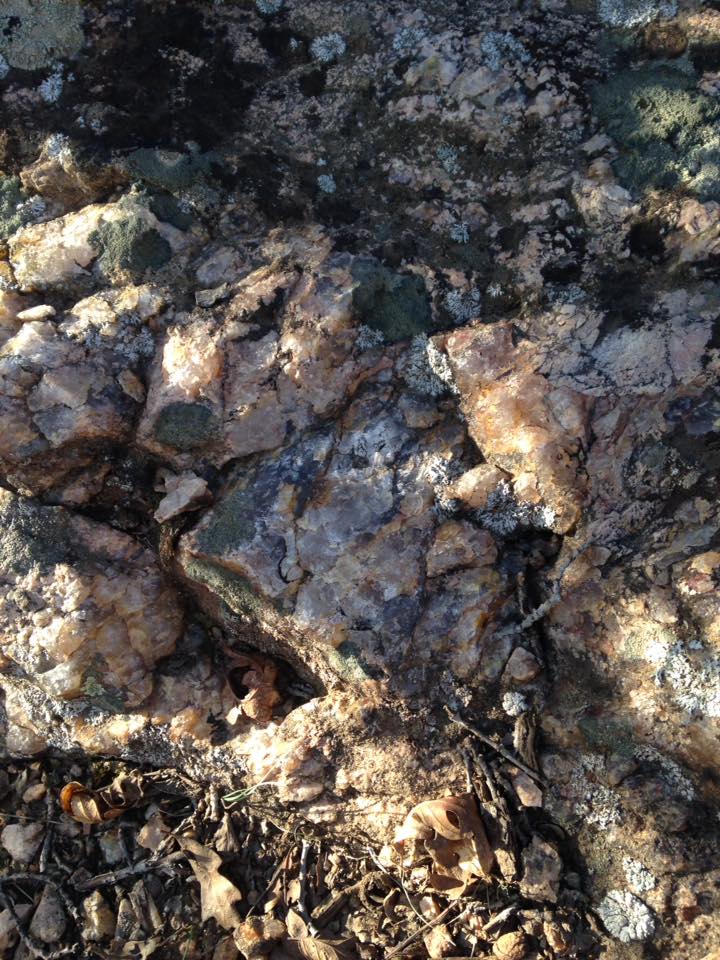
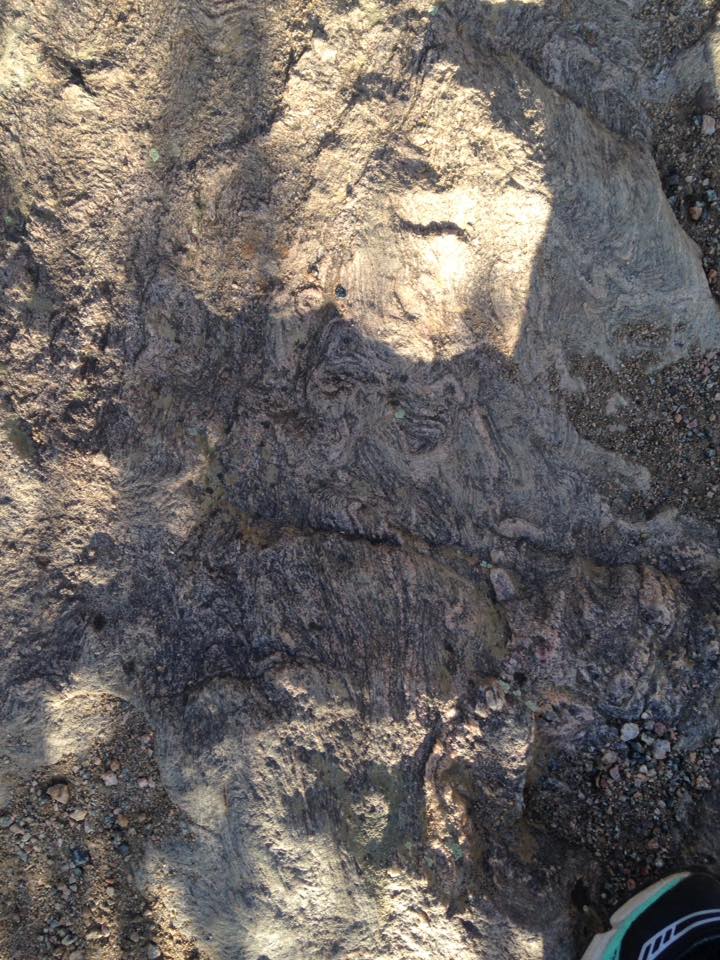
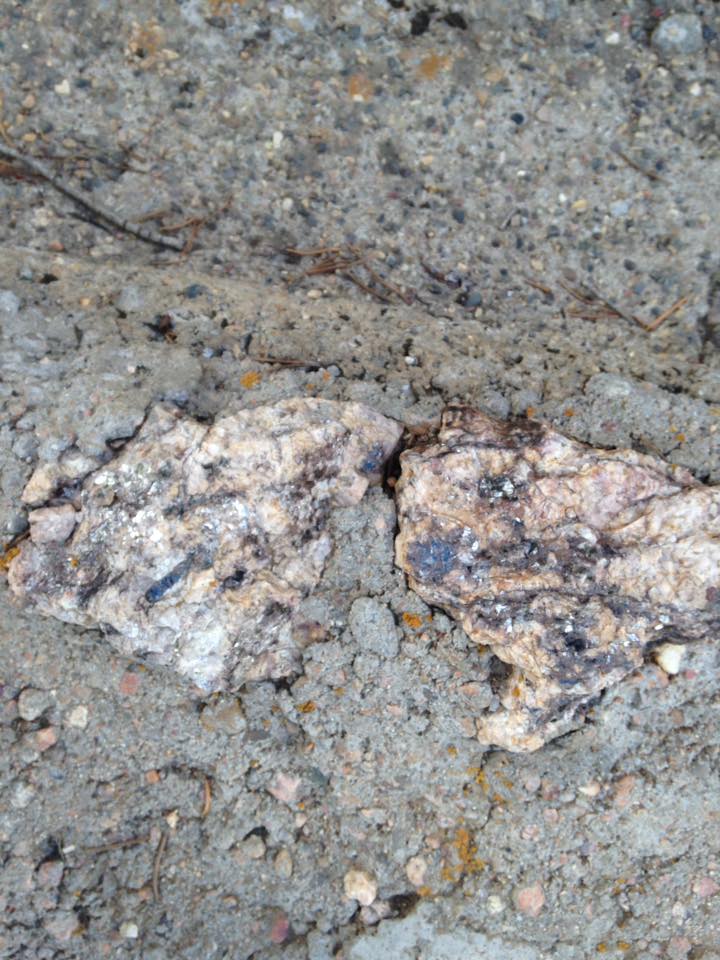
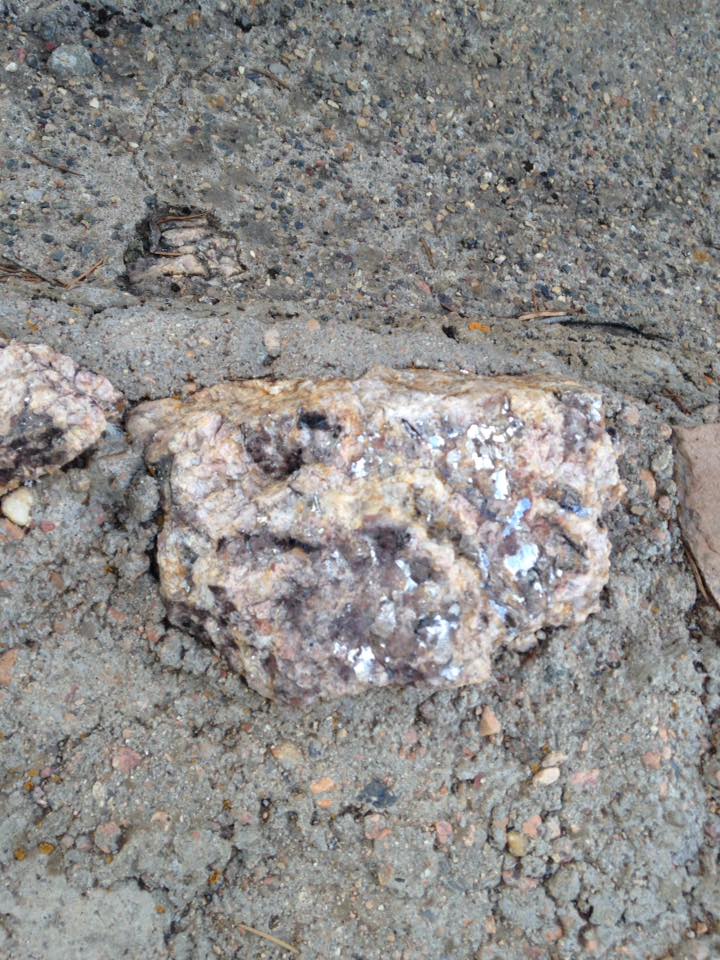
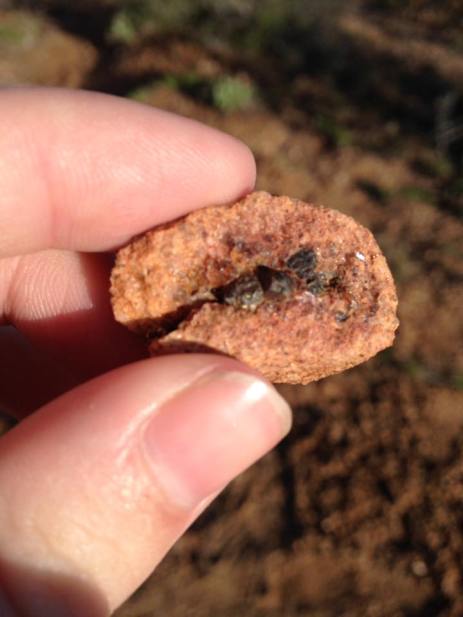
I also found a rock that had a few hornblend crystals in it:
We continued to see pink granite intrusions everywhere as well:
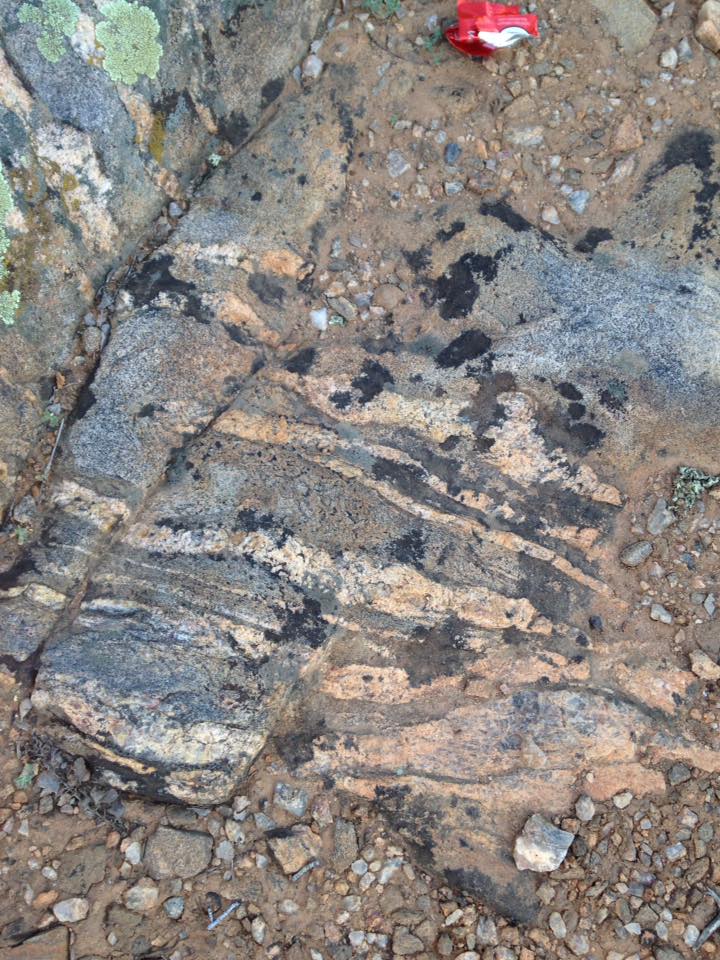


We also found pieces of pegmatite with mica (a group of silicate sheets) inside!
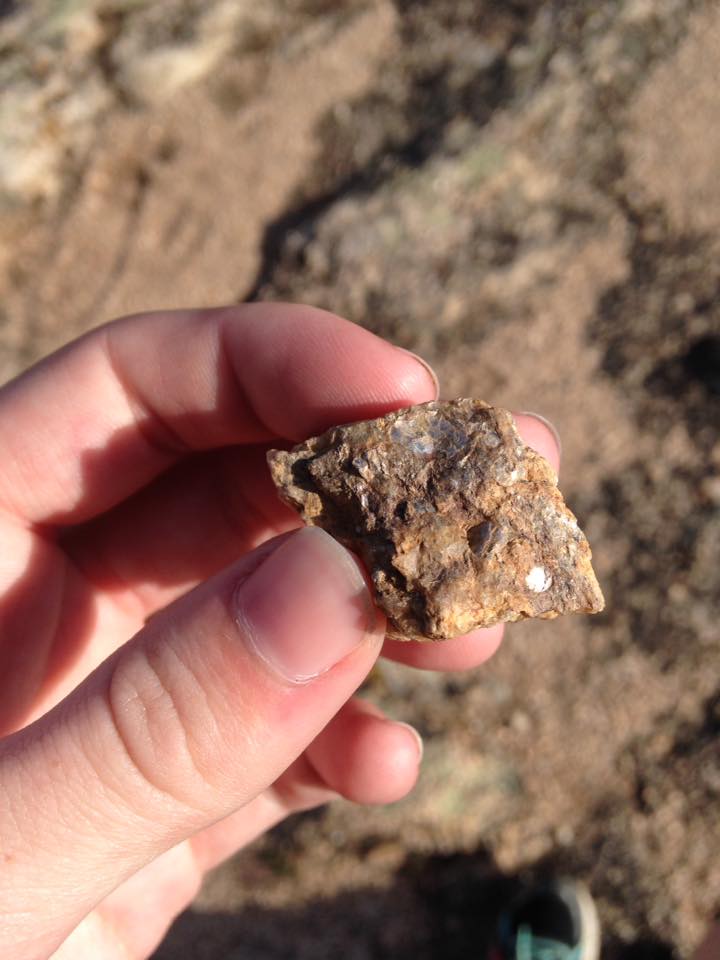

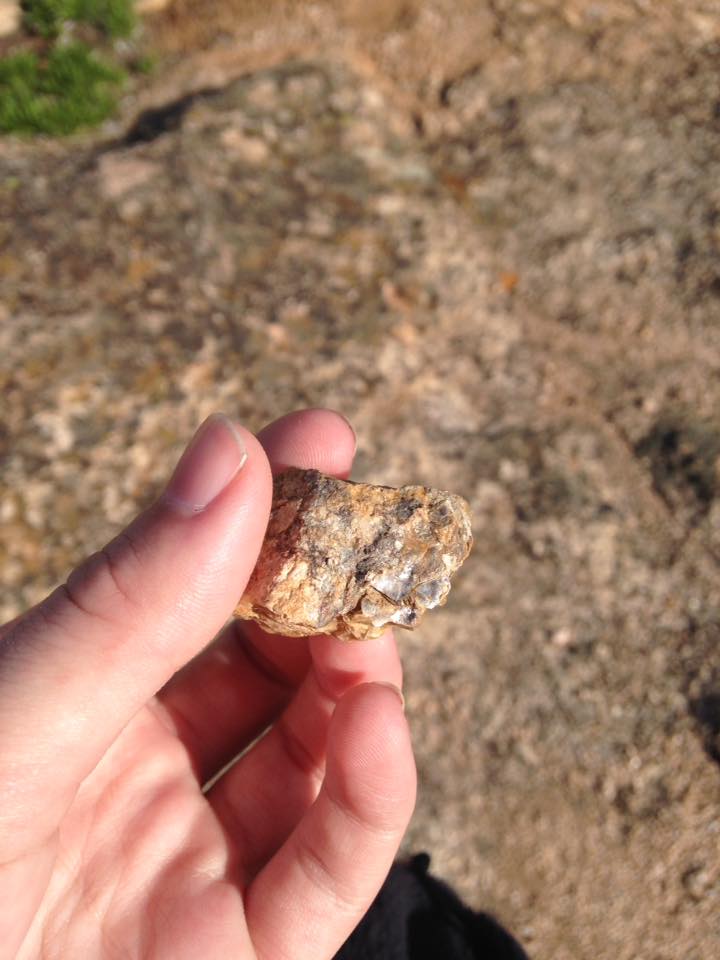
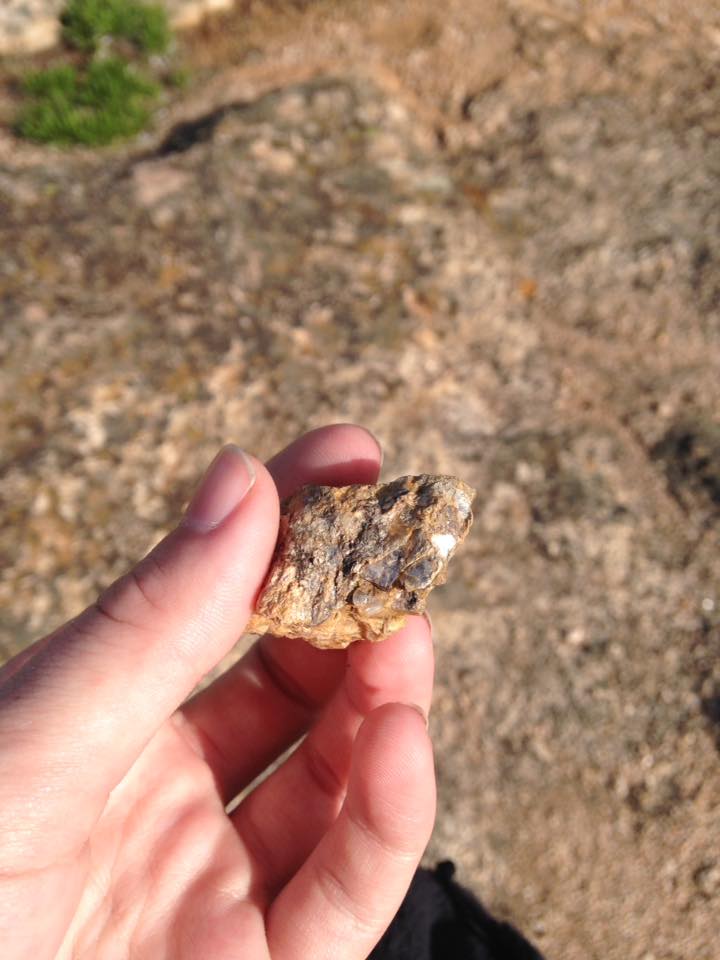
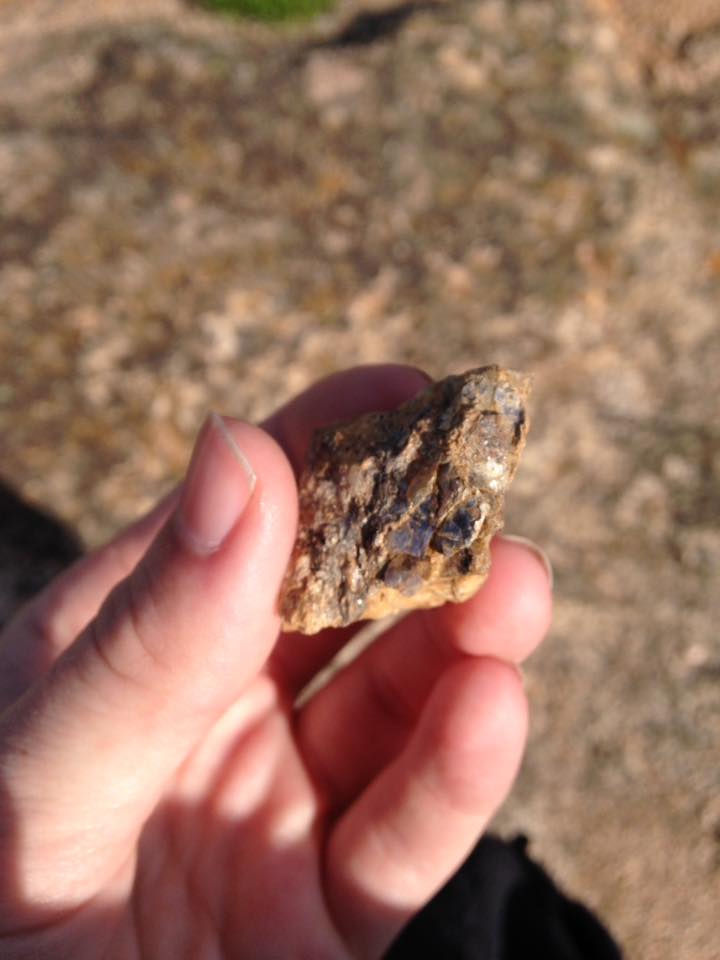
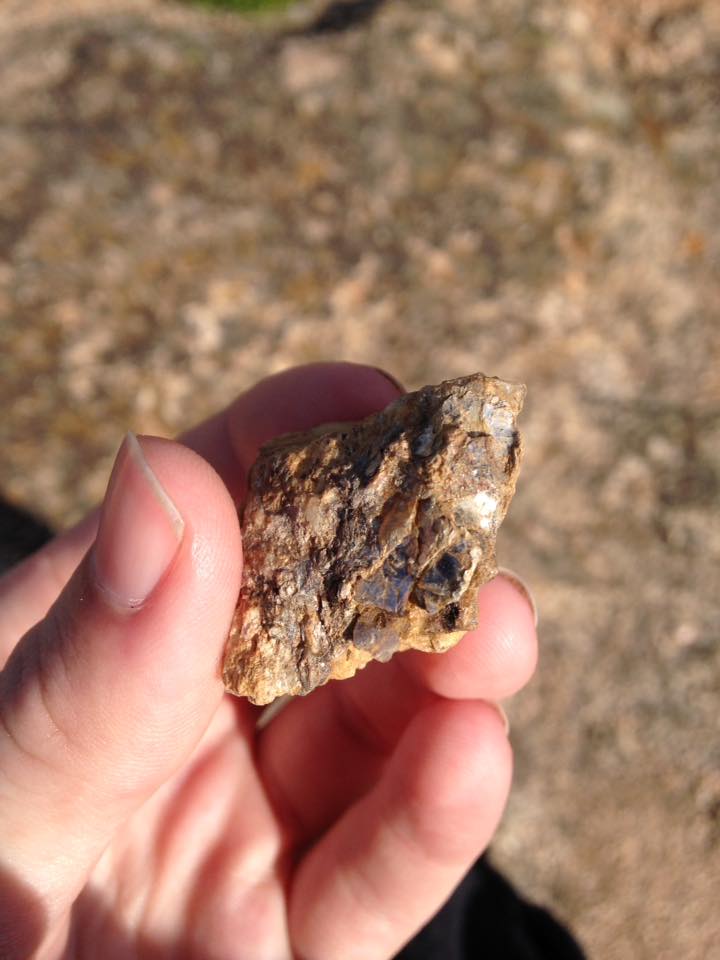
We also found specks of garnet (deep red silicate mineral) inside:
And here are some more tourist-y pictures:
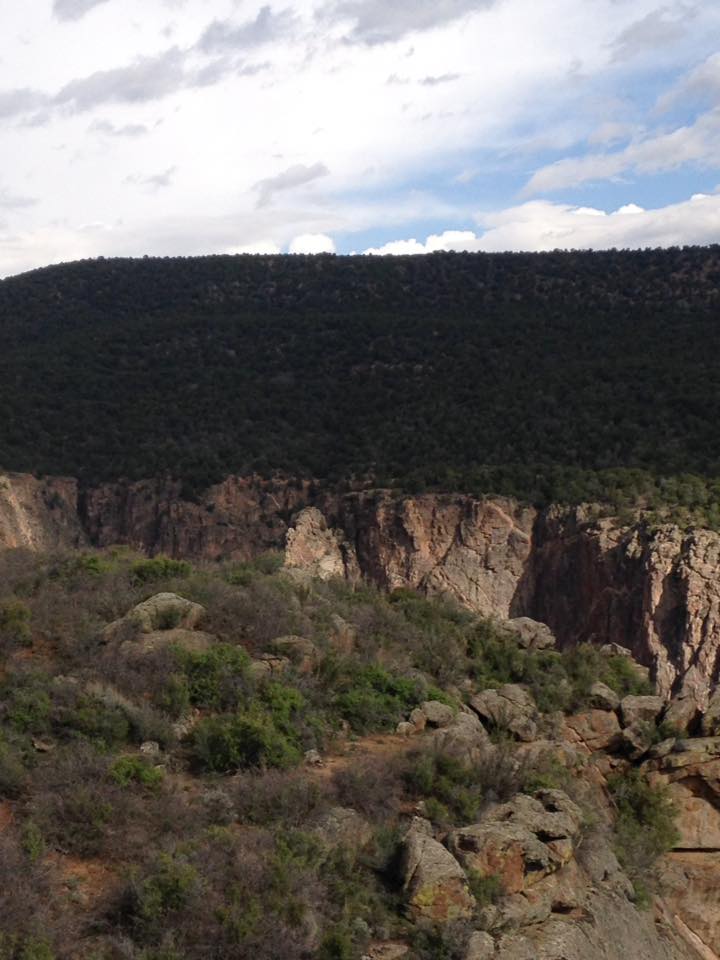
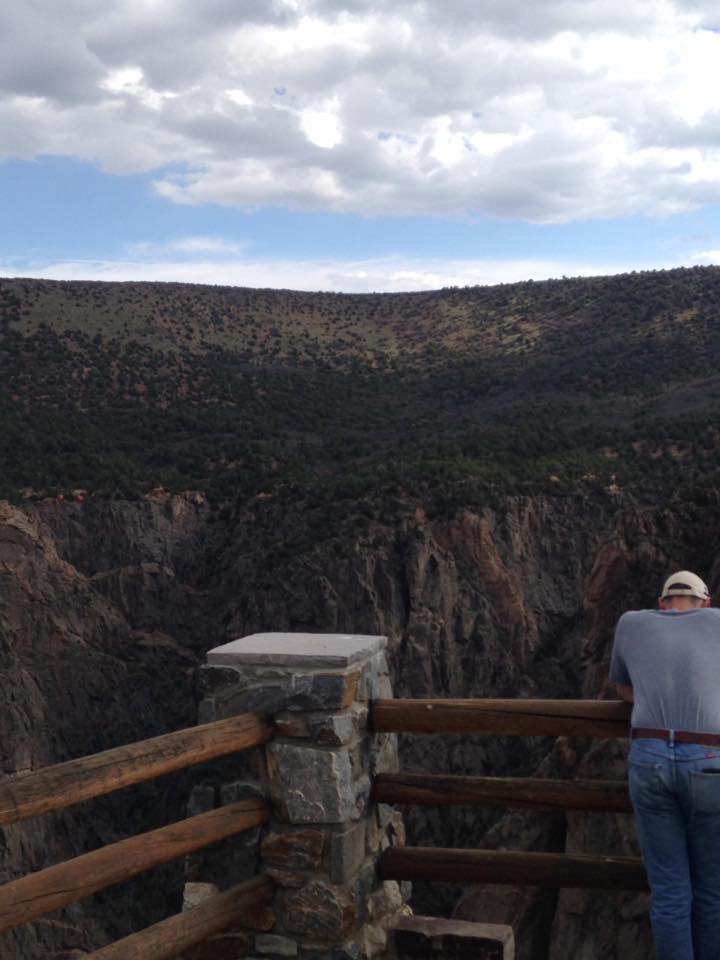
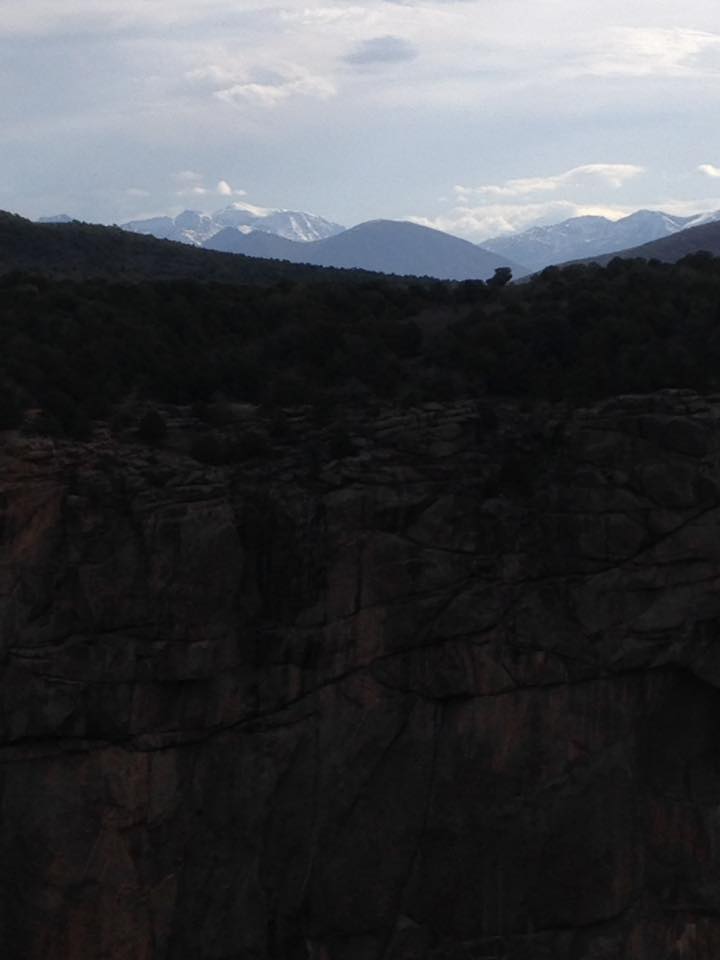

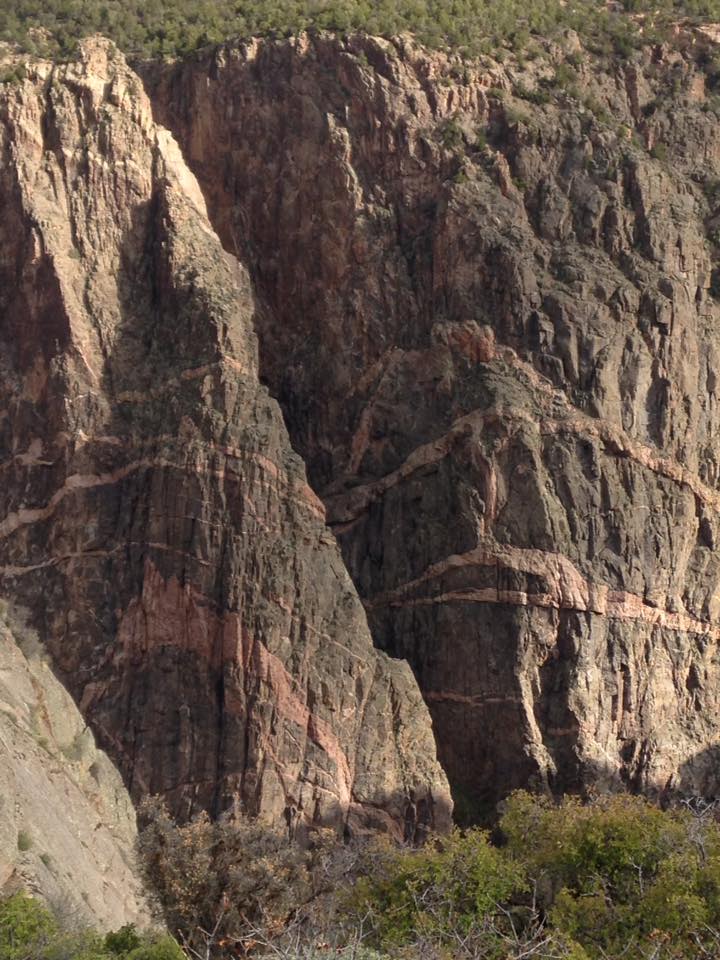
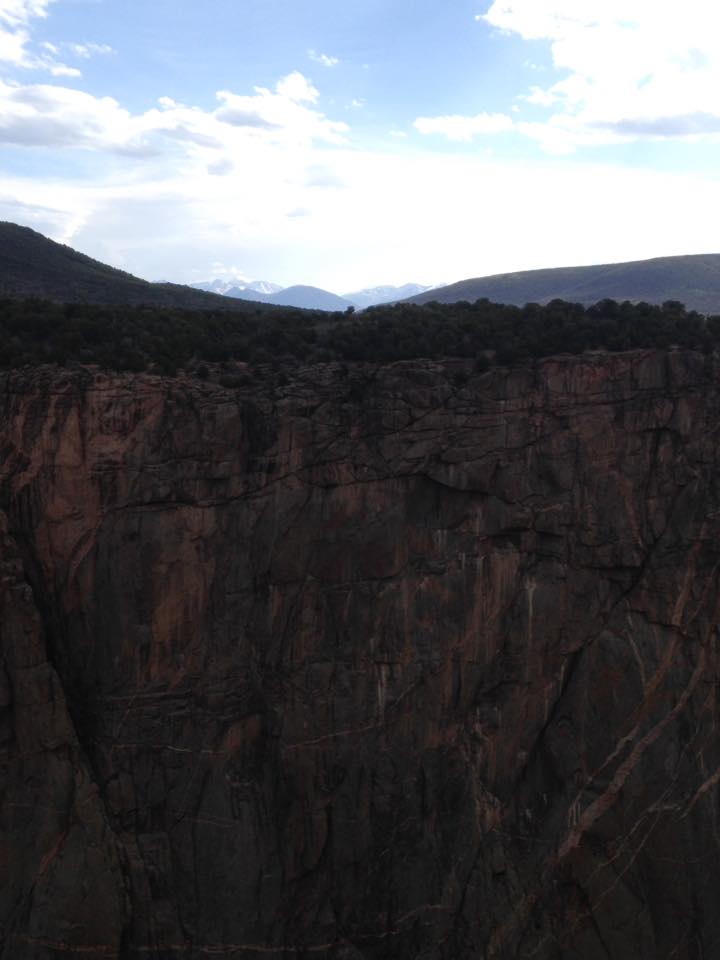
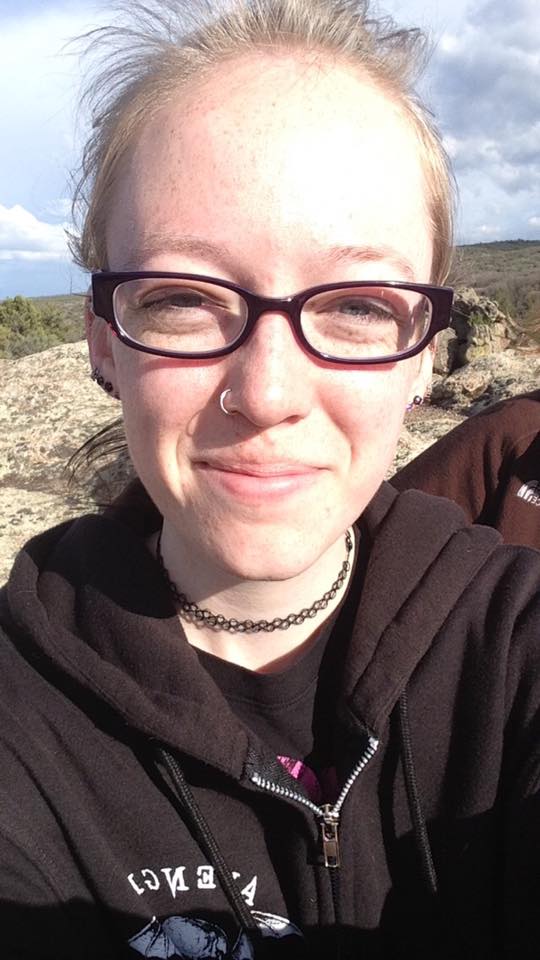
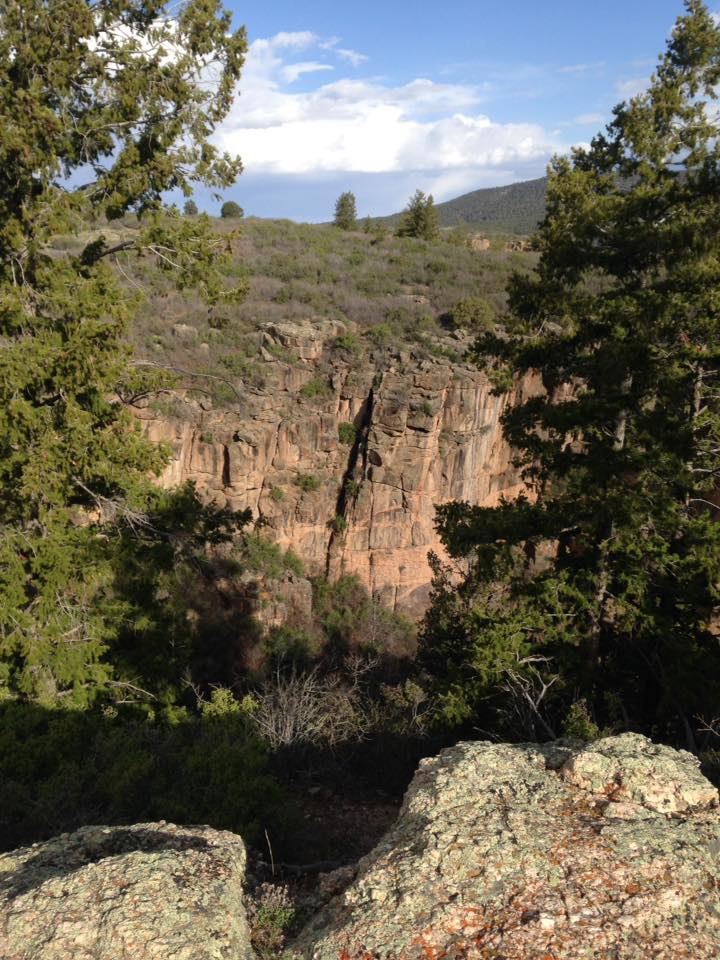
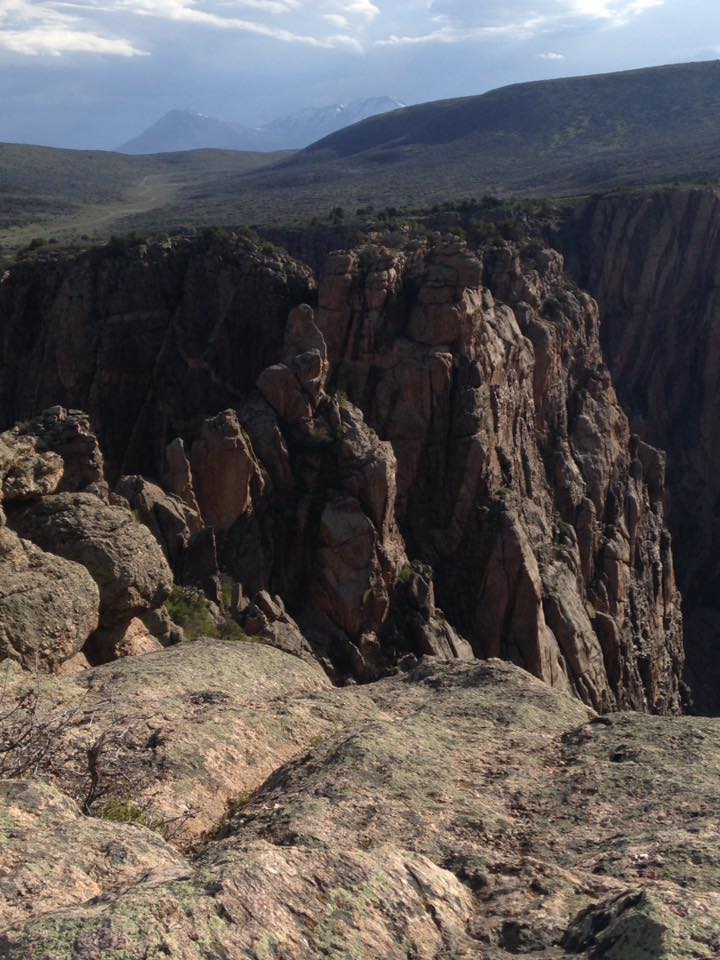
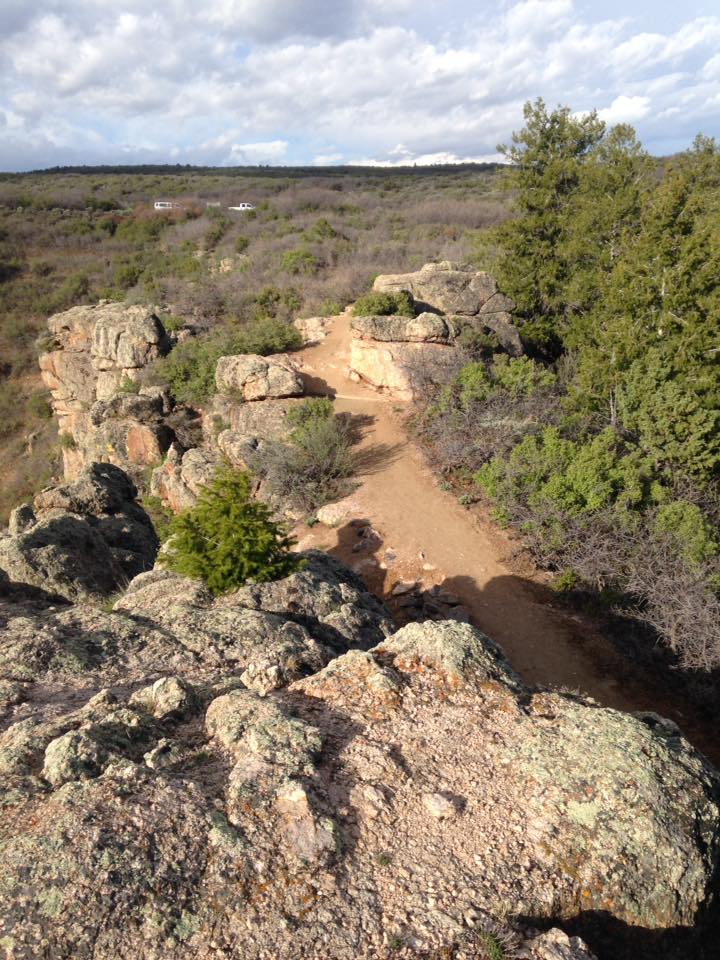
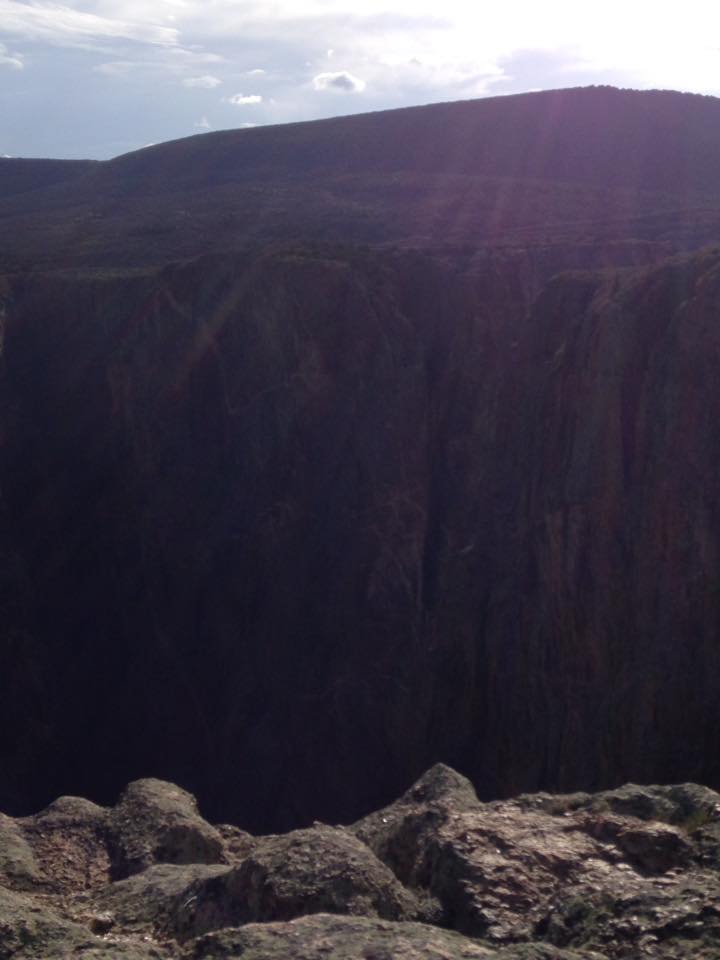
(Sorry for the influx of pictures, I just found the Canyon so beautiful).
So, once we were FINALLY finished driving around to several different sites, we stopped at our final one: a hike to the highest peak of the Black Canyon.
It was about a mile hike uphill, so it was pretty tiring, but we all made it up there and the view was amazing:
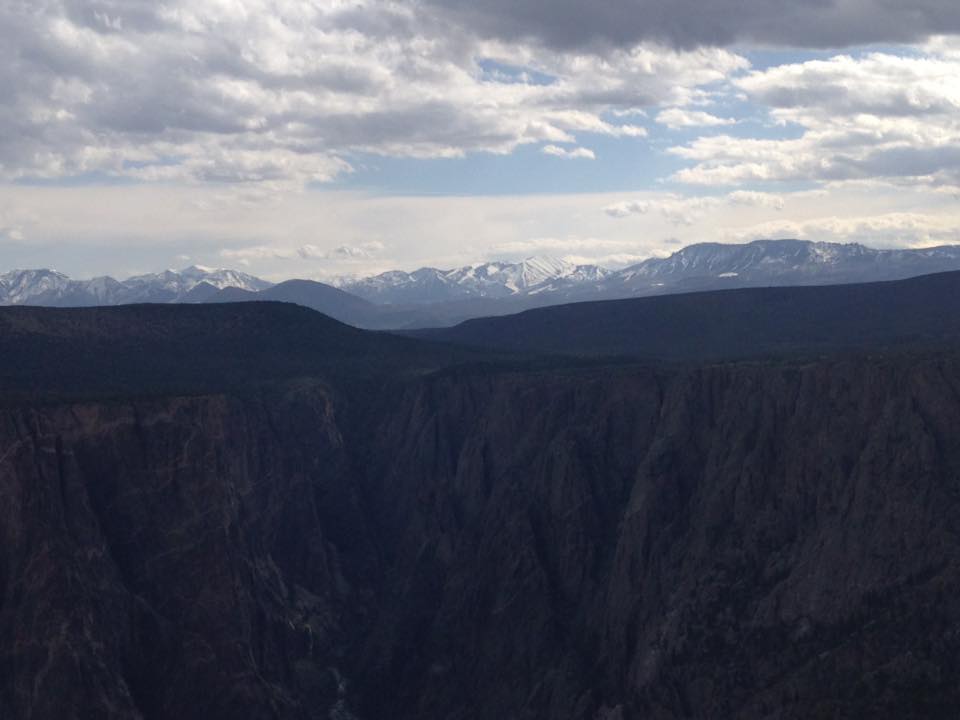
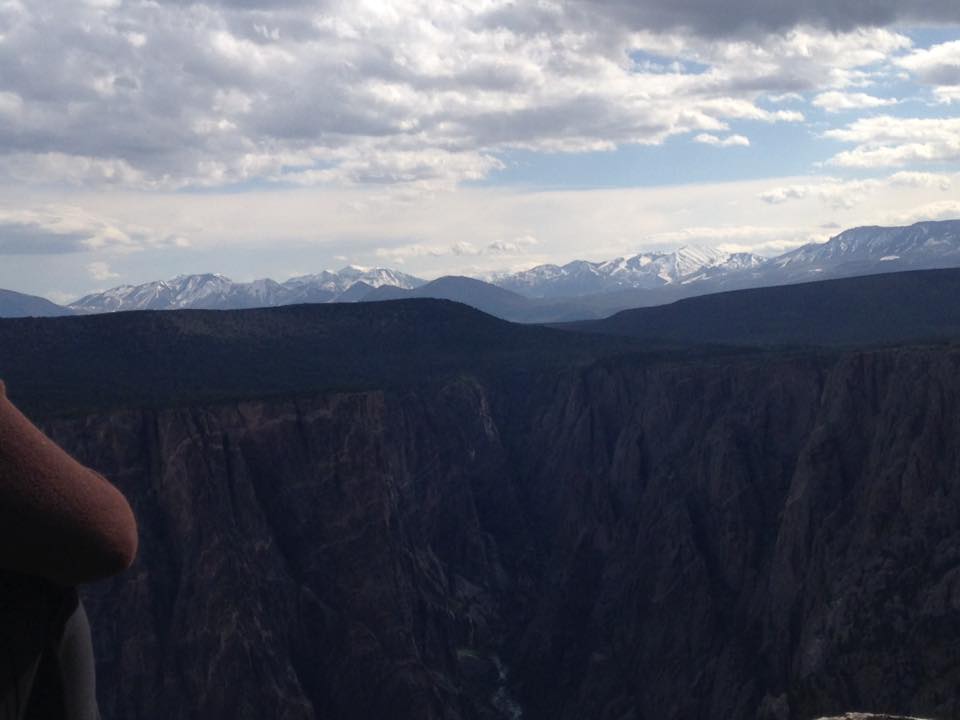
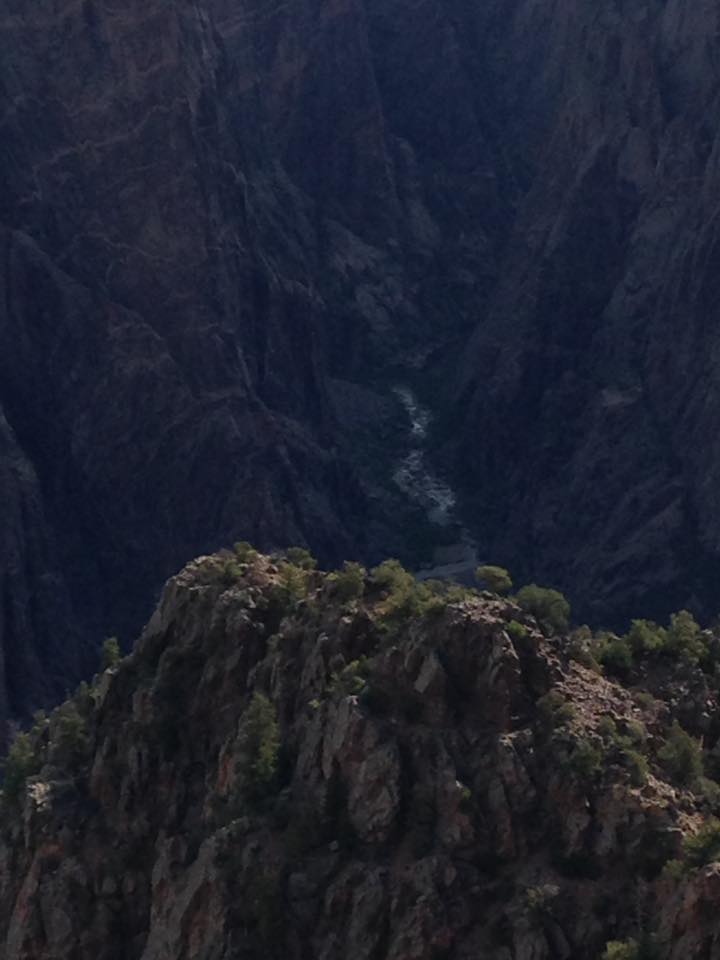
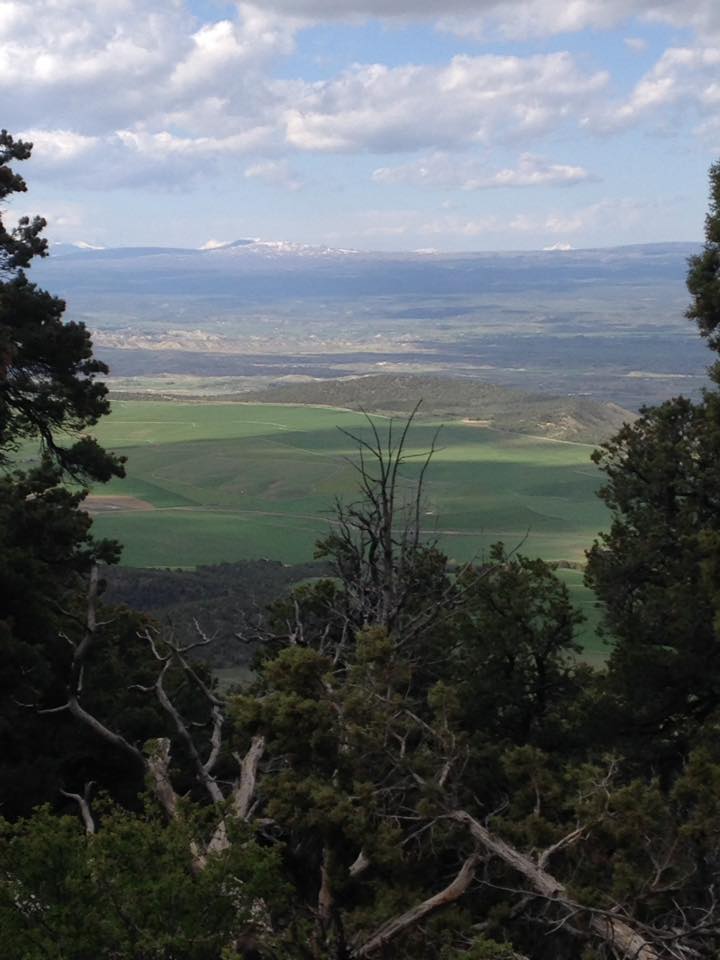
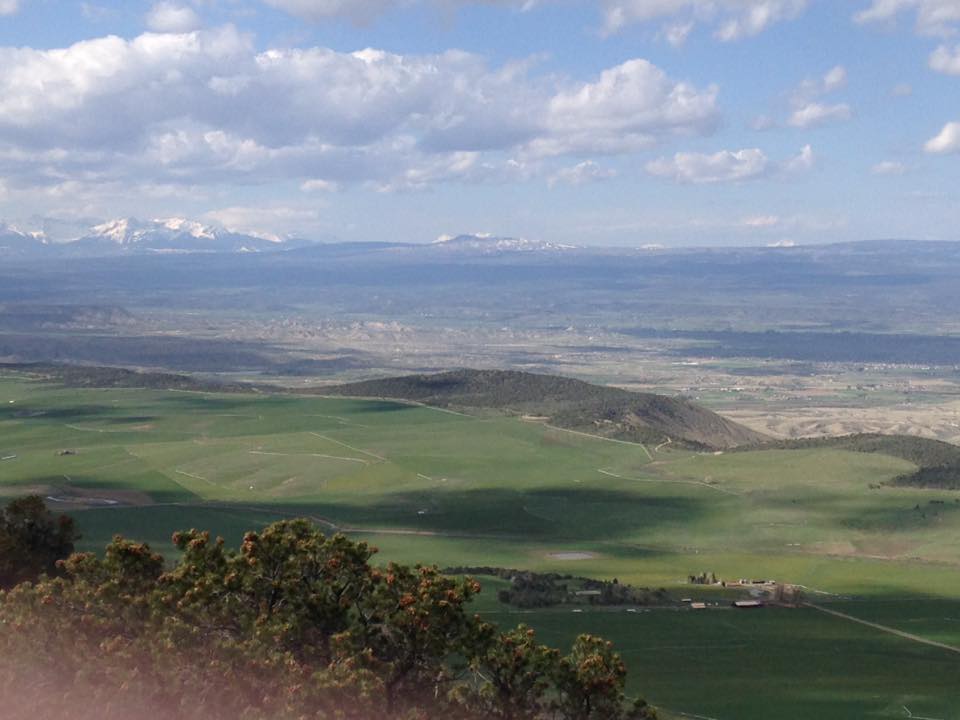
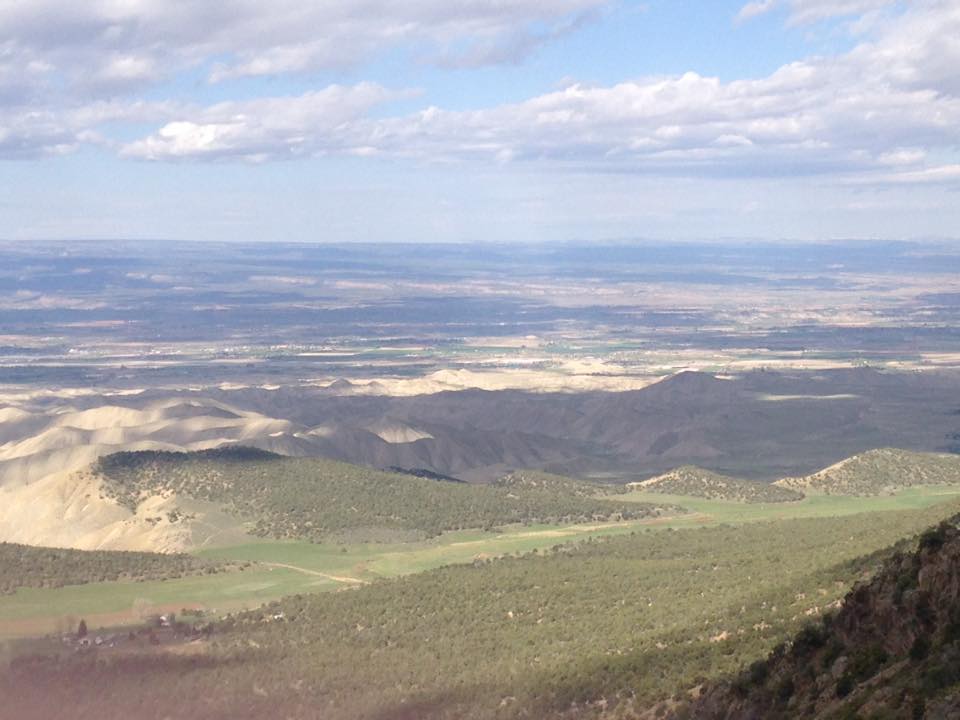
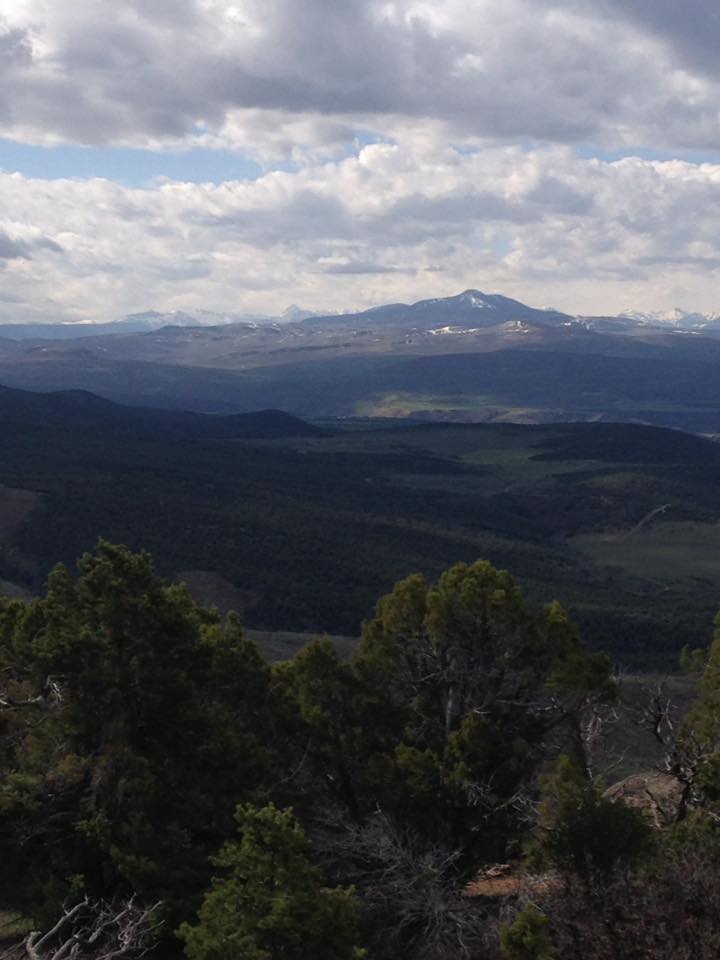
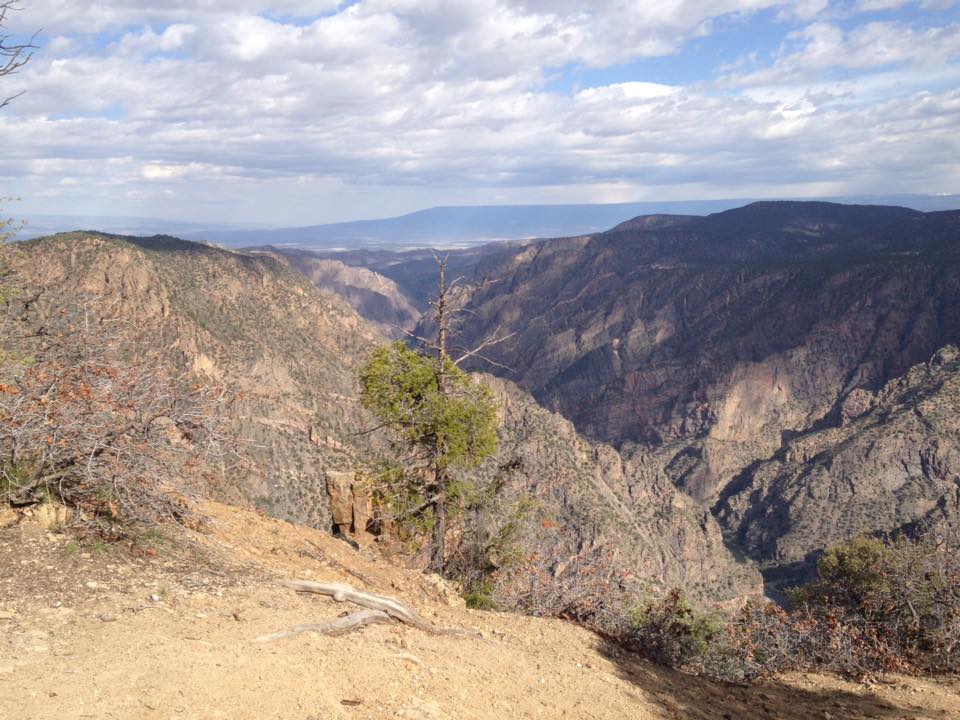
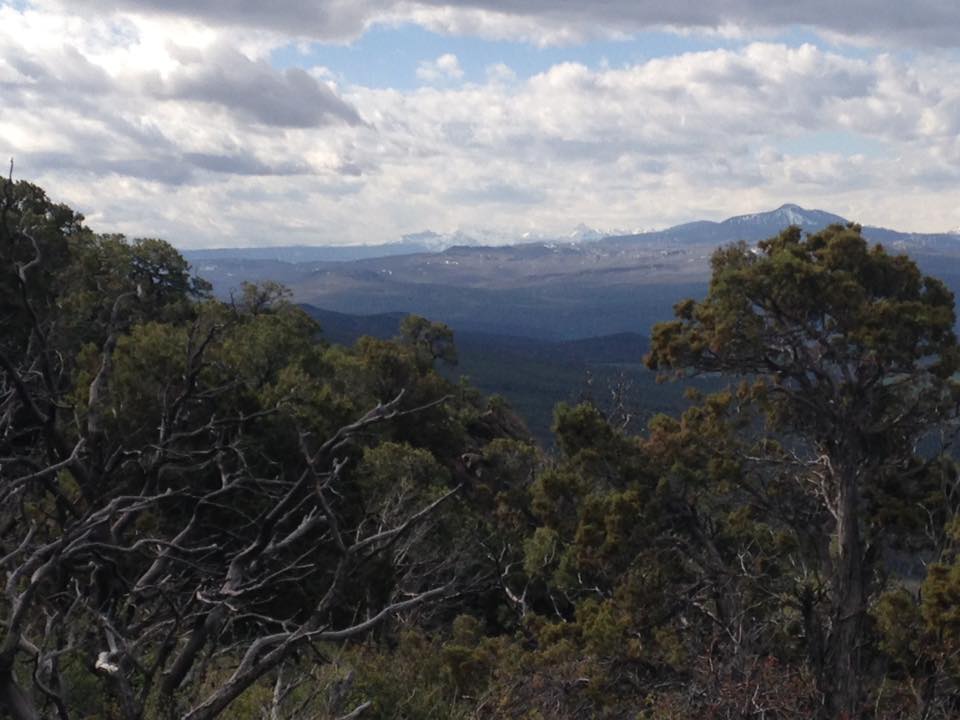
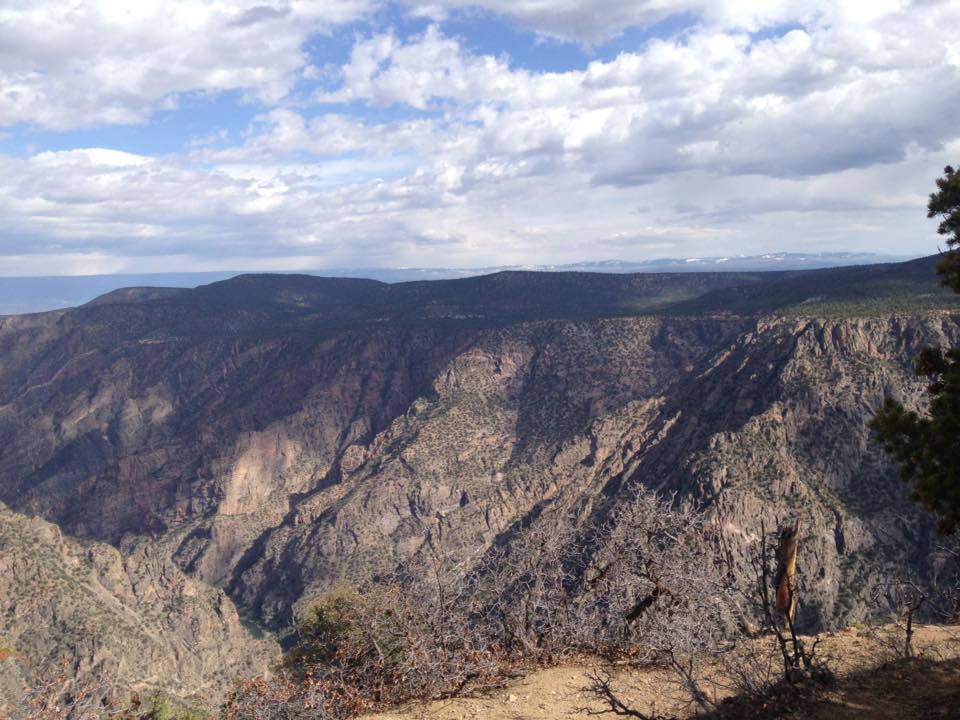
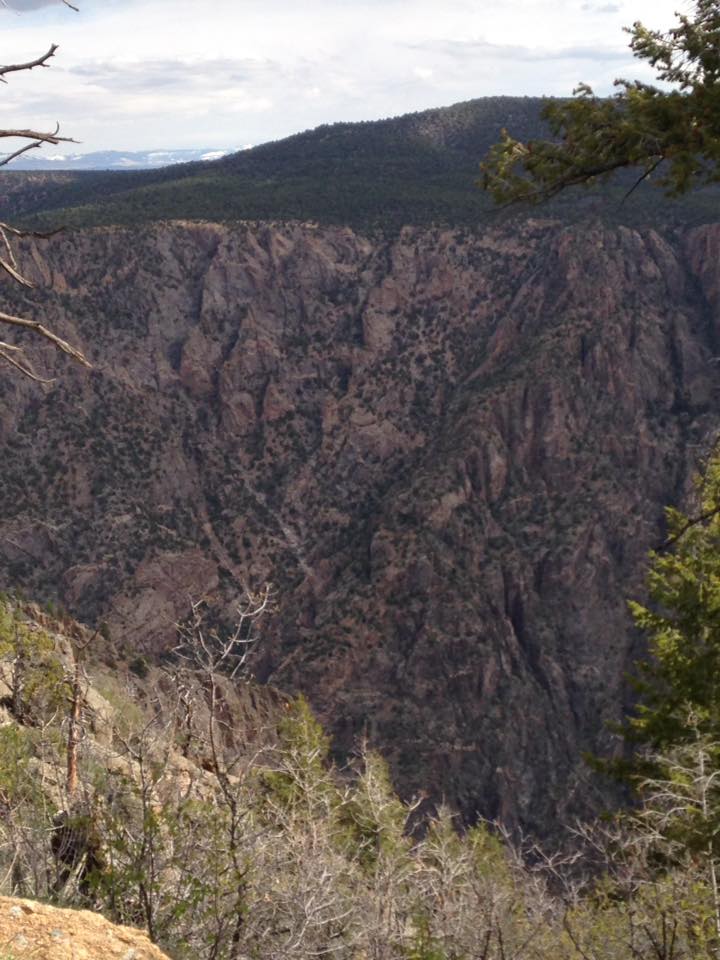
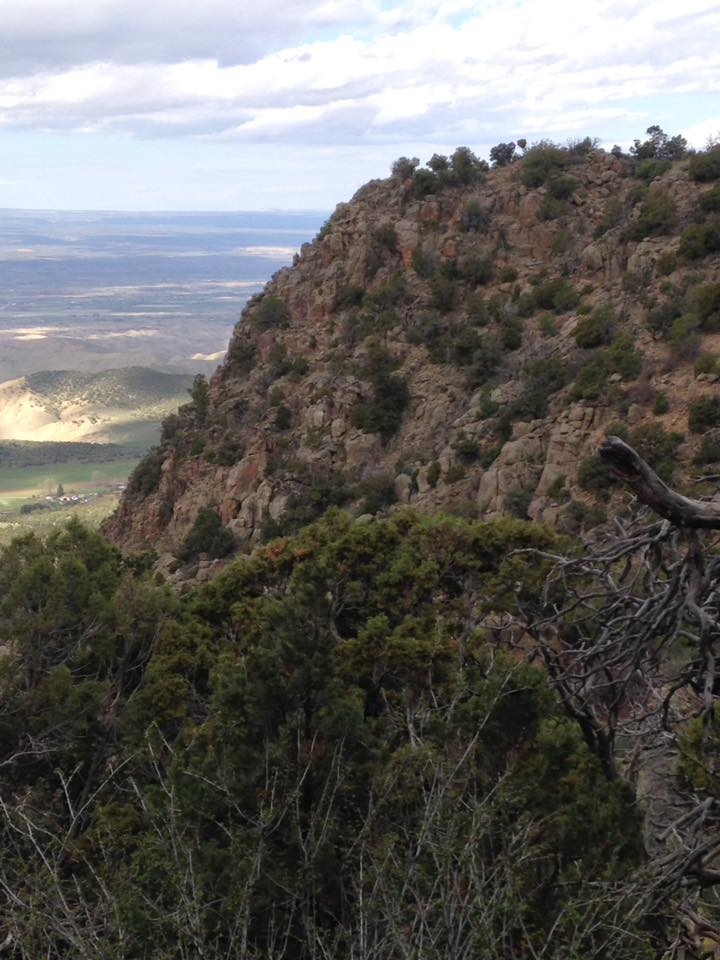
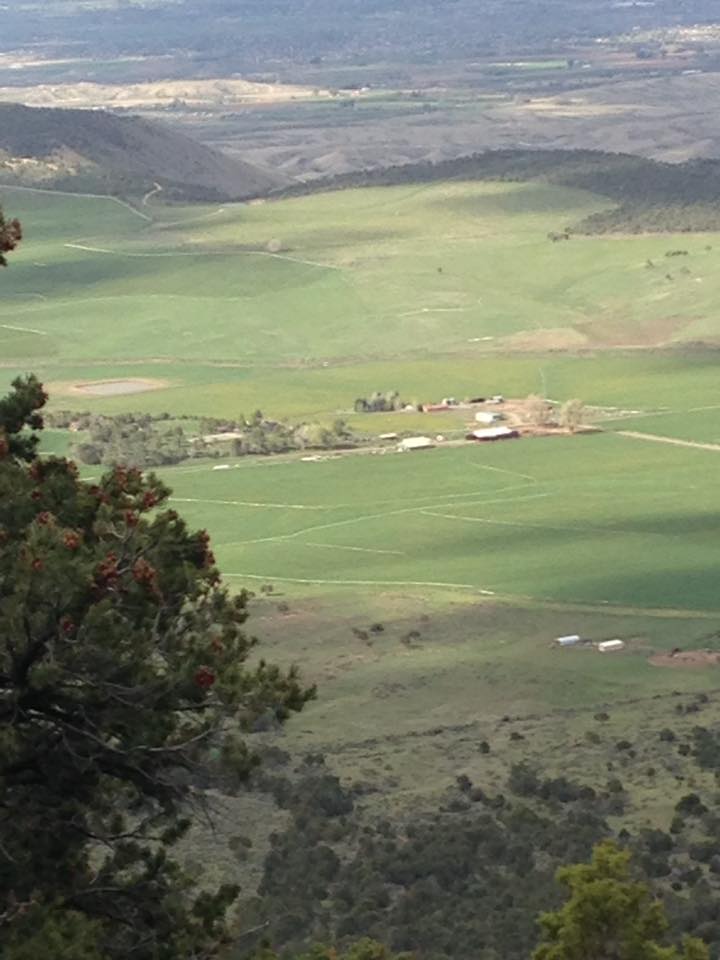
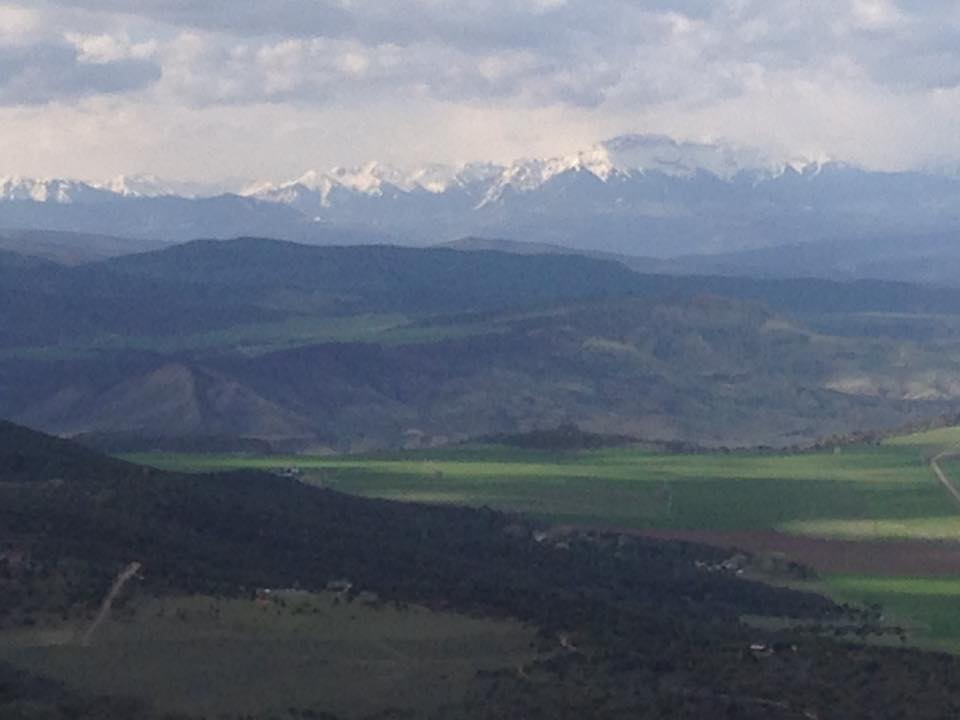
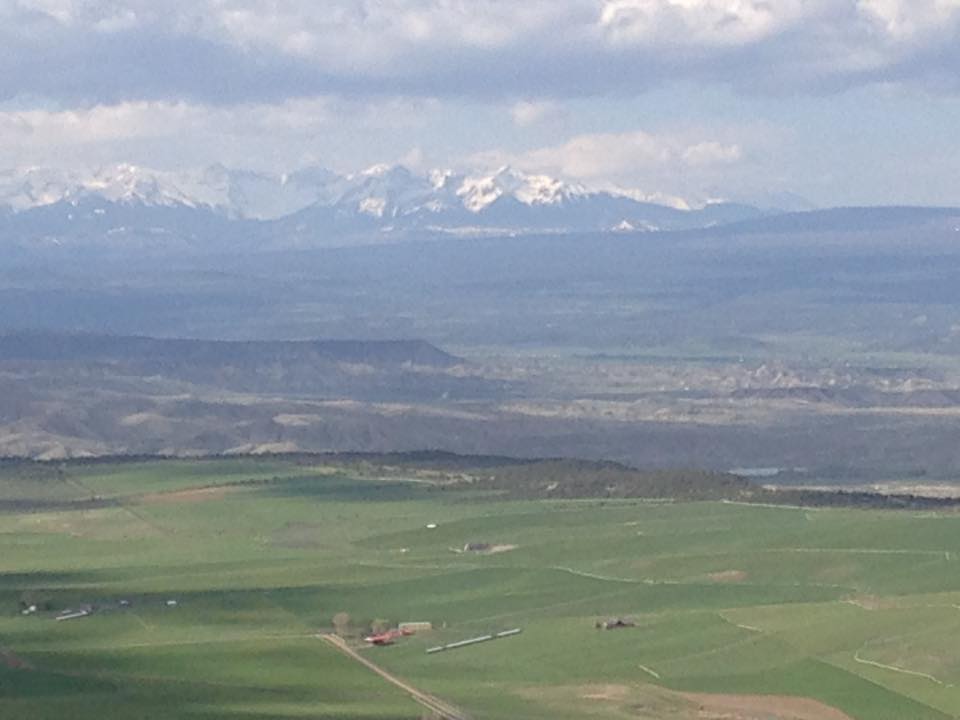
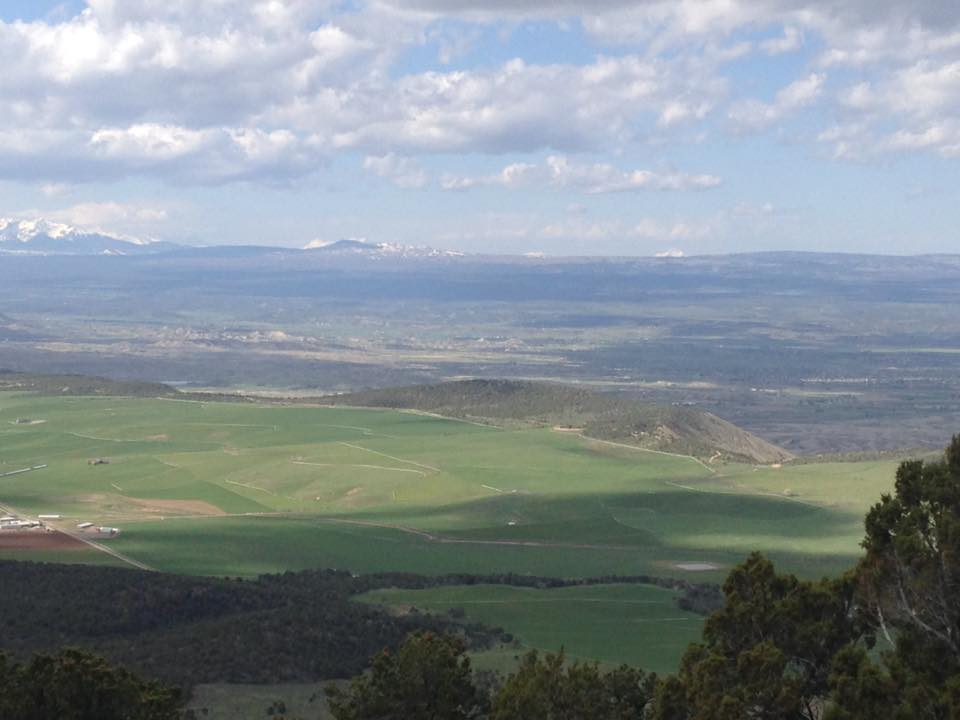
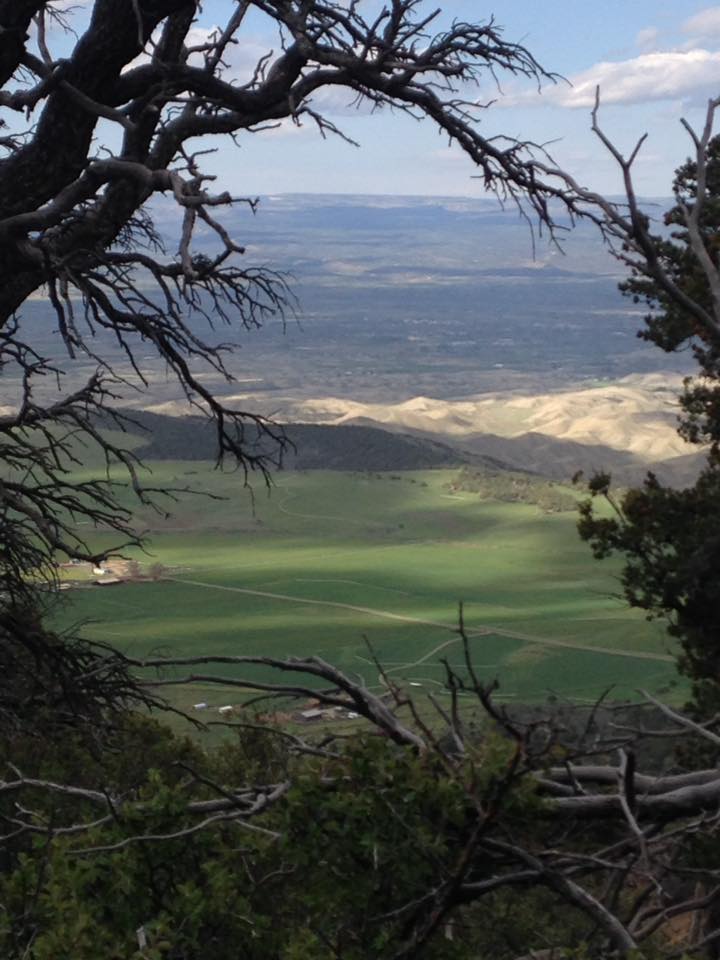
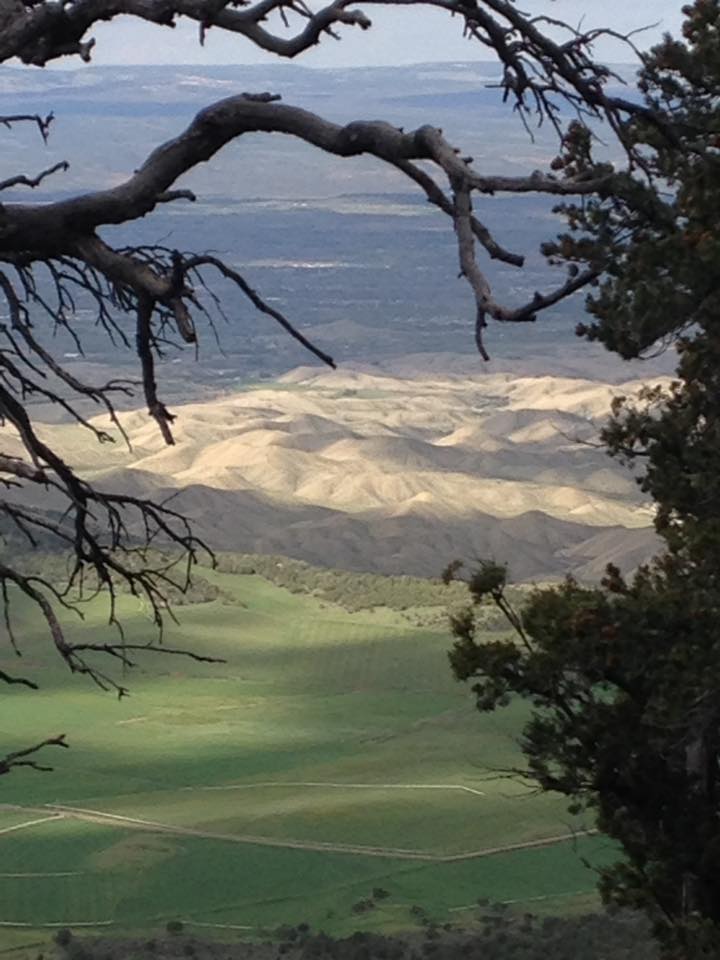
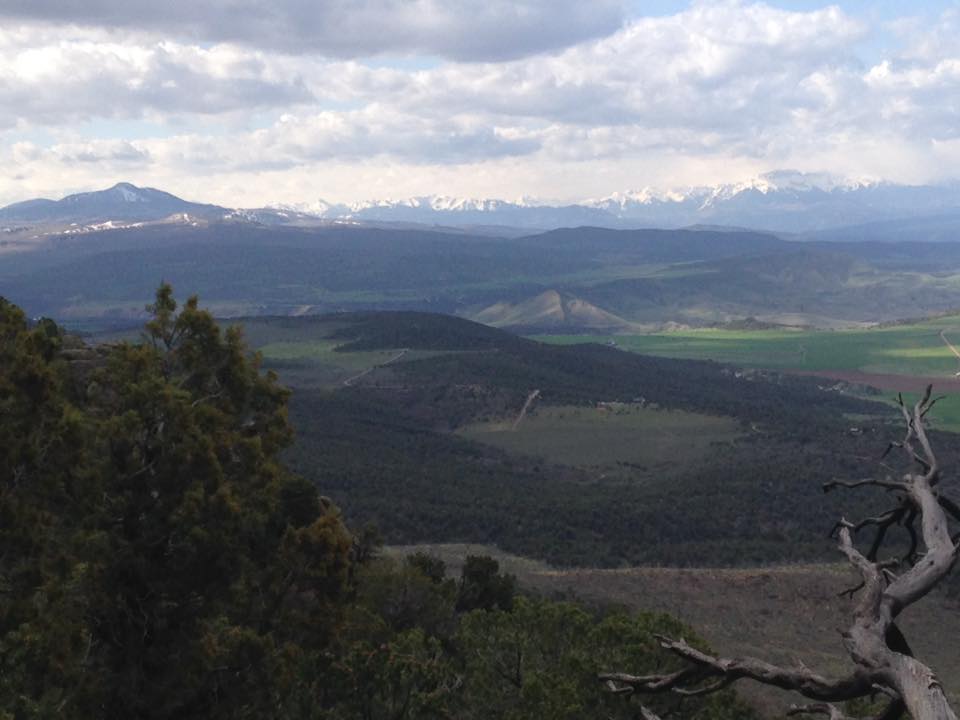

And finally…once we made our way back to the van and truck – we drove over to the Visitor’s Center and bought souvenirs.
After we filled up our water bottles – we hit the road again for a while. We eventually reached Utah, but coming back down from the mountains in Colorado was rough on a lot of us.
I didn’t feel very well for the majority of this day, and I was extremely tired – especially while we were driving around in the van. I didn’t necessarily want to do anything else on this day, but we all made the decision to go see “The Arches” anyway.
So, we drove to the Visitors Center for the Arches, and the view around the building was already an interesting sight to see:
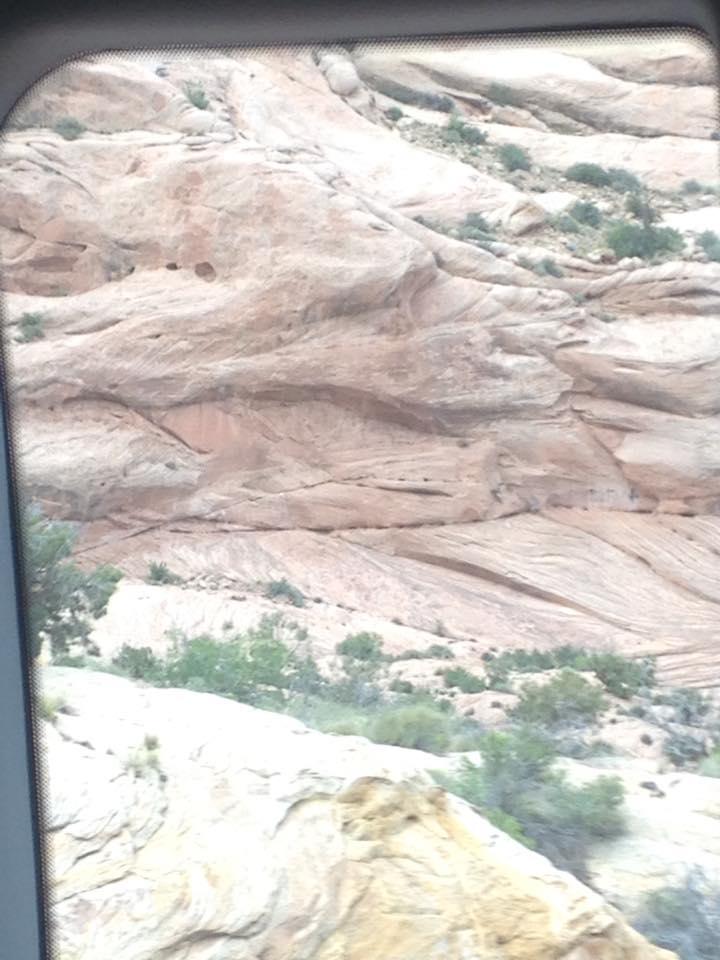
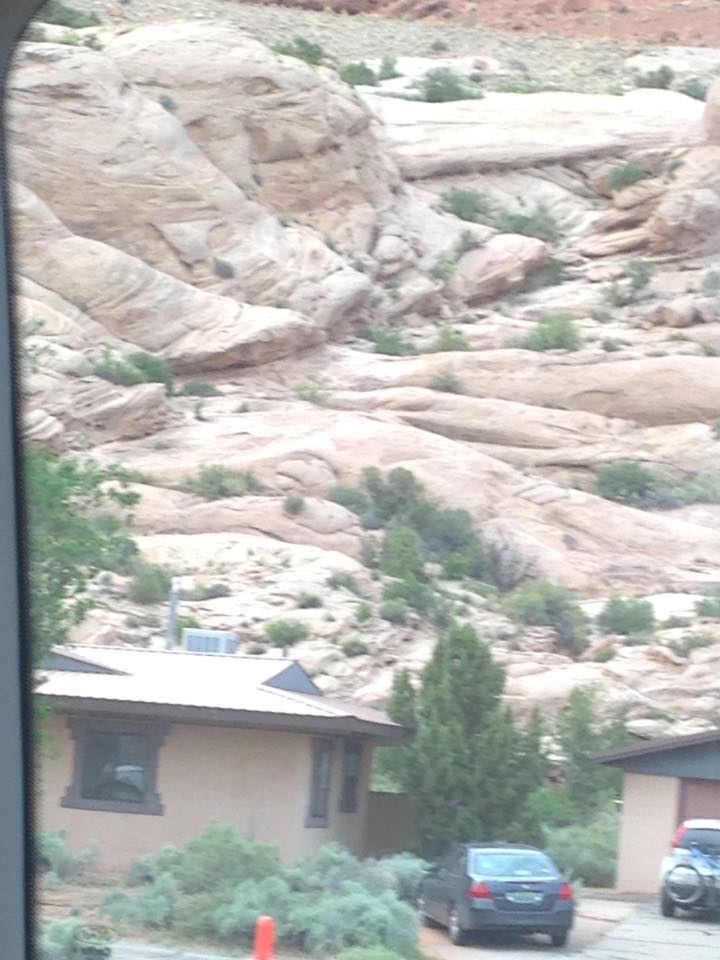
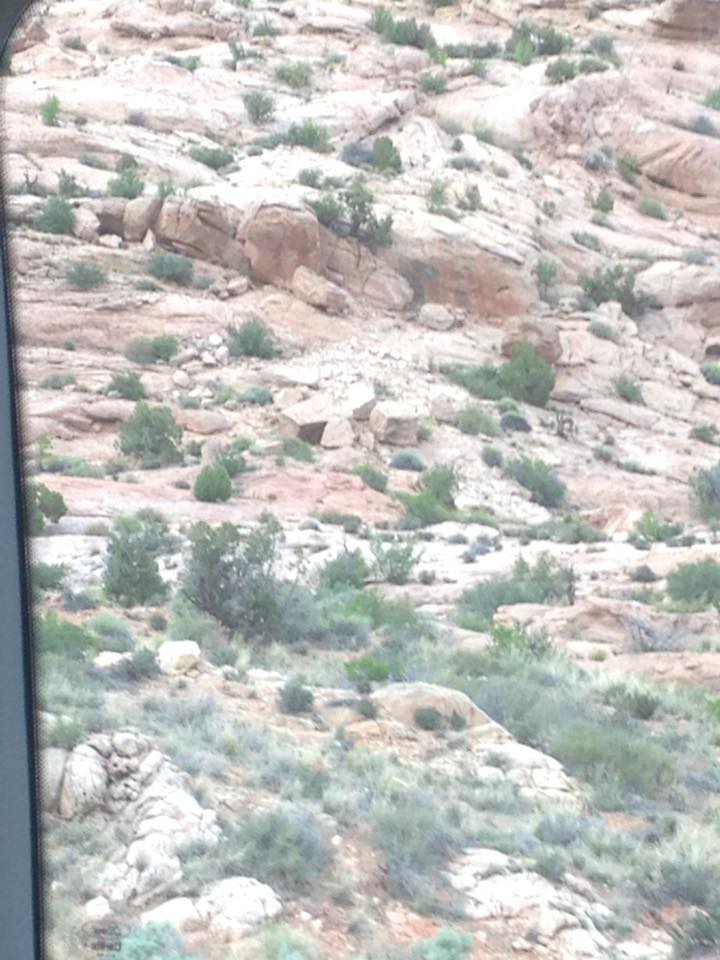
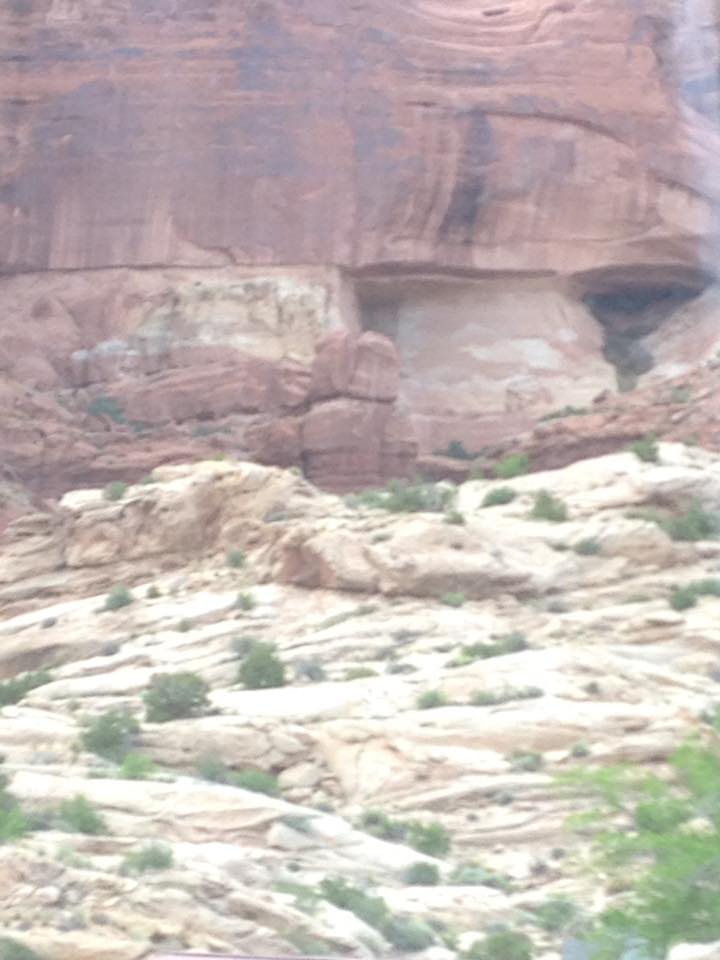
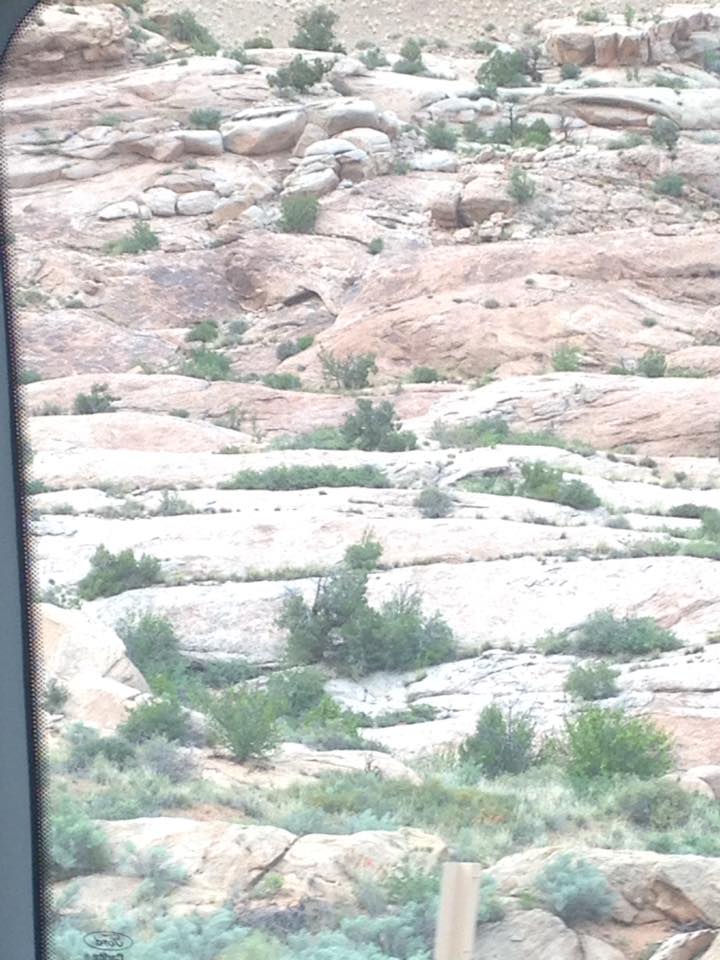
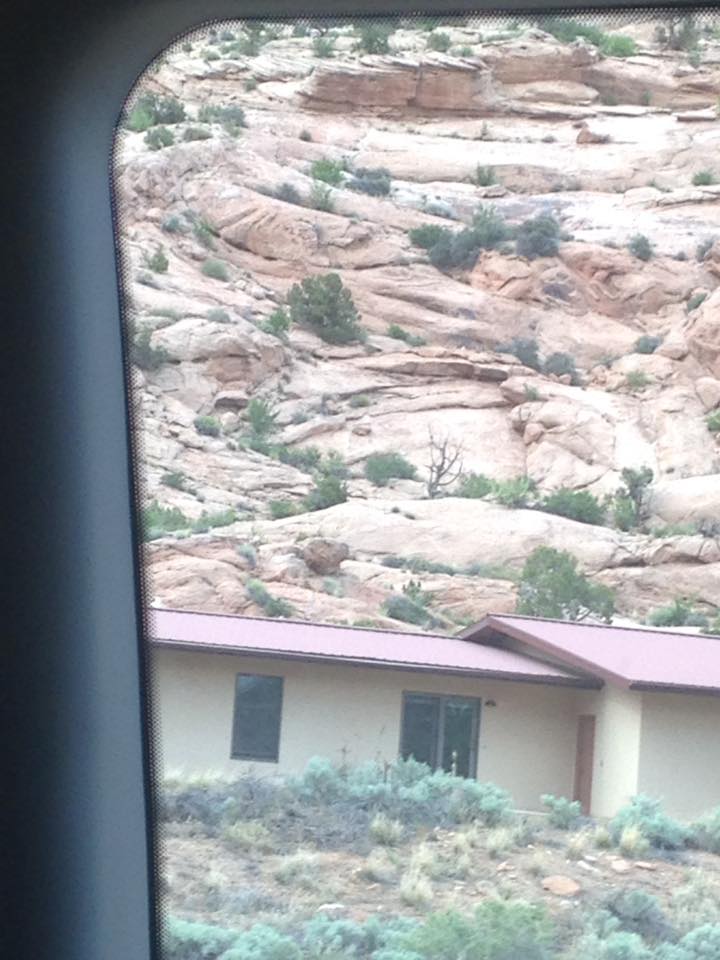
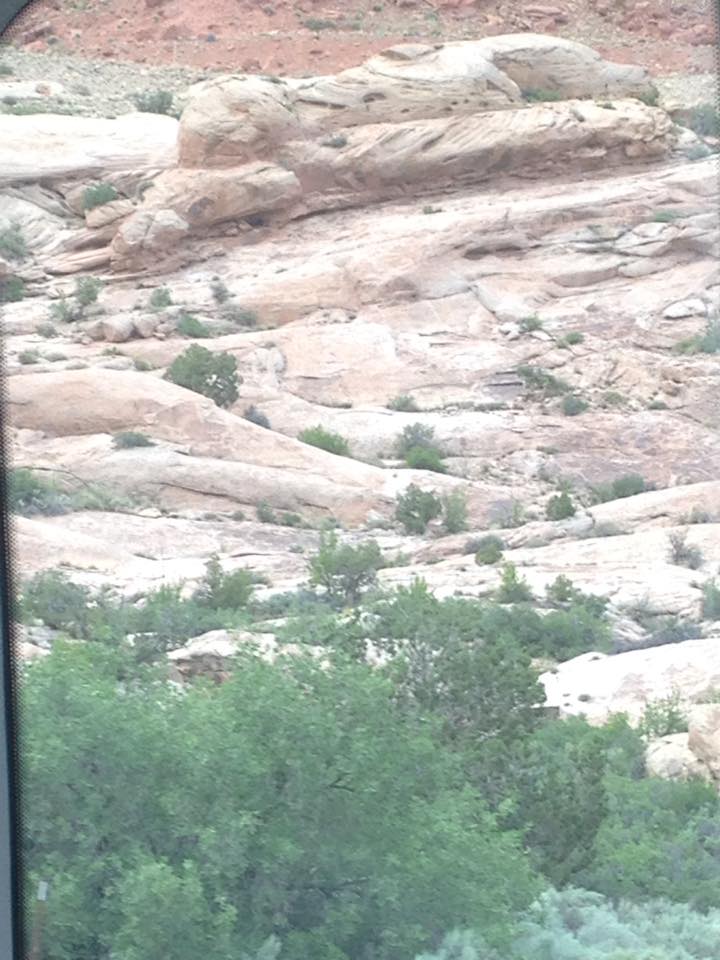
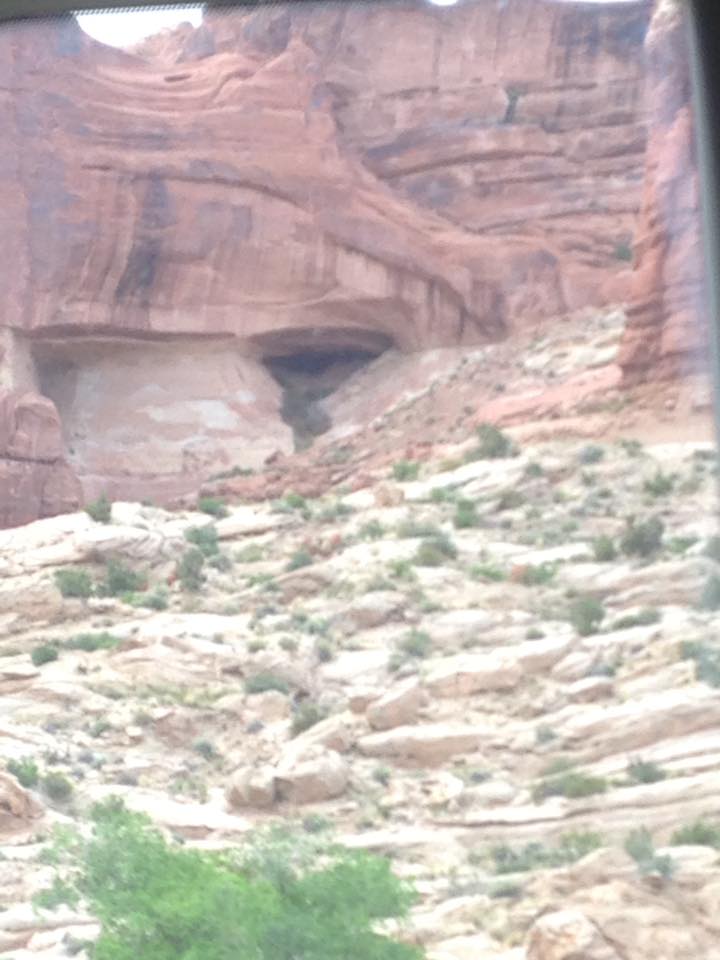
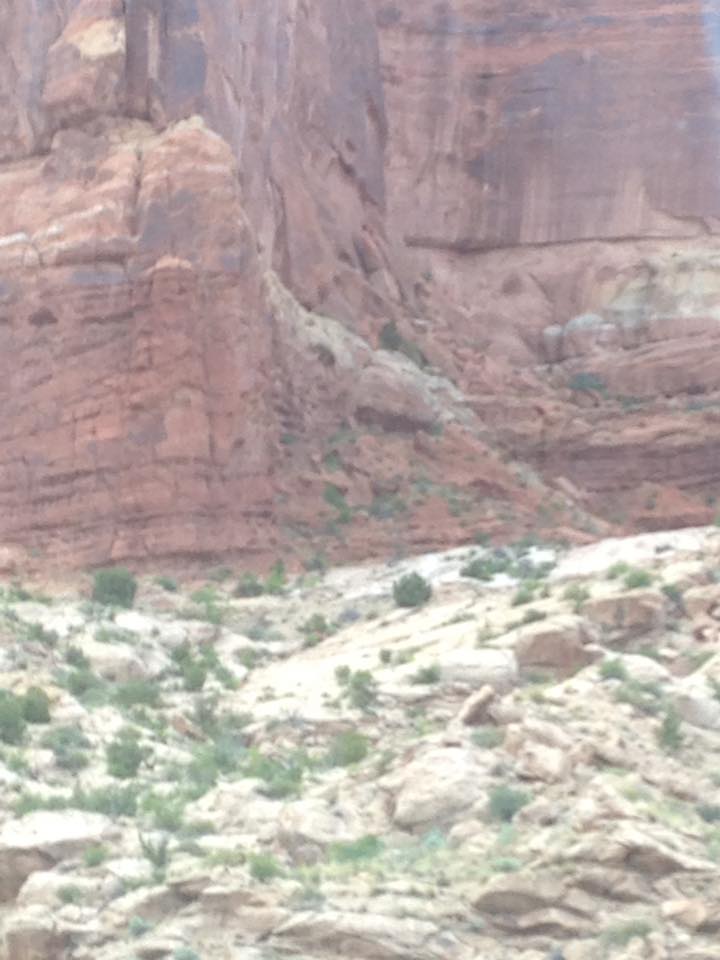
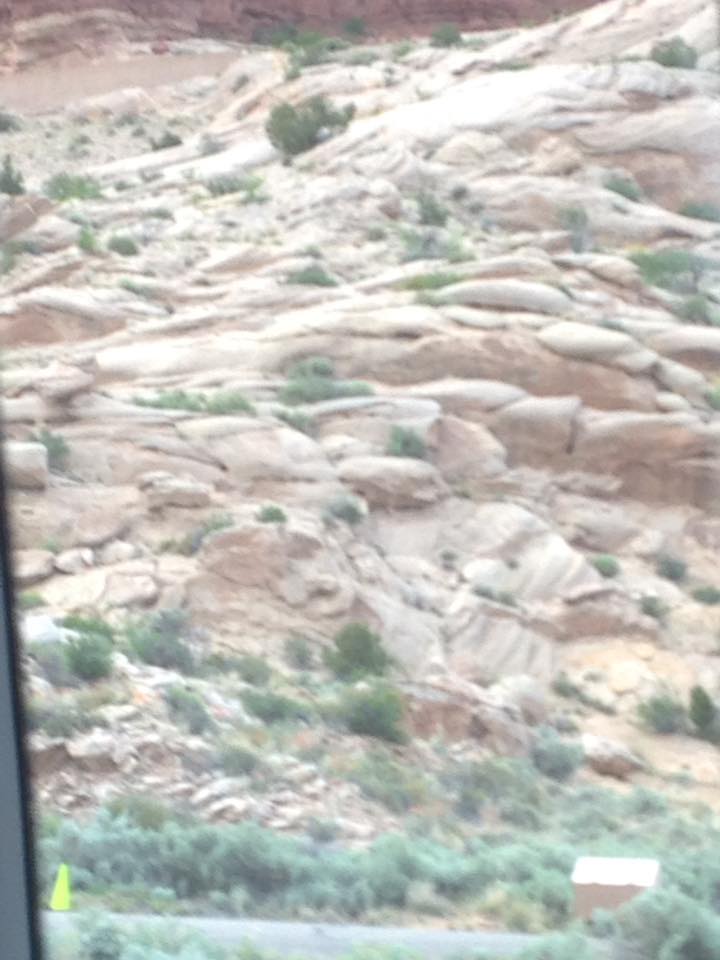
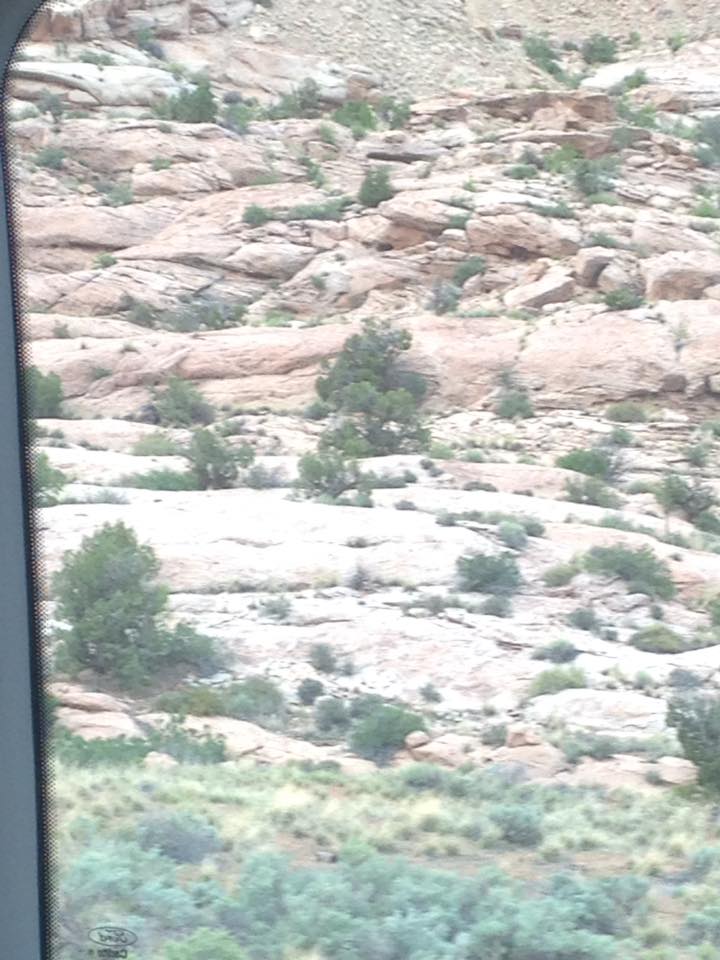
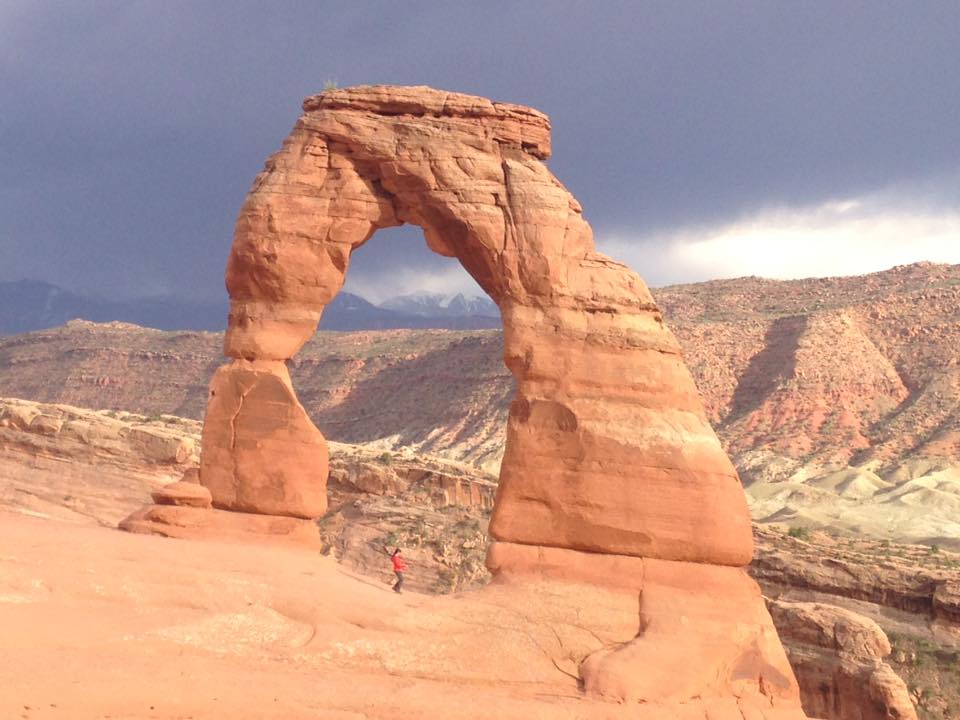
I still wasn’t feeling very well at this point, but everyone was going to hike to “The Delicate Arch,” which is another hike uphill, but it’s much steeper, and it’s about three and a half miles round trip.
Now, before I get into this part of the day, let me give some background information on The Arches (taken directly from my notes and the research paper of one of my classmates):
“-The park is 76,359 acres of desert landscape in east-central Utah.
-It contains the greatest concentration of natural rock arches in the world.
-It contains salt dissolution structures, balanced rocks, folds resulting from plate tectonics, petrified sand dune fields, and a labyrinth of deep, narrow canyons.
-This dry and arid region was once covered by a massive sea (Panthalassic Ocean) that gradually evaporated during the Pennsylvanian – depositing a bed of evaporates and salt.
-Overlaying the initial evaporate deposits are several consecutive layers of varying types of sandstone along with several layers of shale throughout the formation, deposited from a wide range of sedimentary environments.
-The arches are 300ft thick layer of sandstone – Entrada Sandstone – stream laid and windblown sediments that were deposited during the Middle Jurassic.
-Immense weight of rock layers caused the evaporate layers below to deform and flow, creating a salt dome that rose vertically, pushing upwards and folding/faulting he surrounding rock layers, forming numerous salt anticlines.
-This occurs in the deepest region of the Paradox basin towards the northeastern corner.
-The area was further altered during the Late Cretaceous and early Tertiary periods, by raising and additional folding of the Plateau.
-Thie exposed many layers of the younger formations – brutal forces of nature eroded and sculpted the younger sandstone layers within the region.
-During winter, water would freeze and expand pore spaces, separating and cracking layers of surrounding rock.
-This broke off small chunks and pieces in a process known as frost wedging.
–Loose sediments were transported to the Colorado River.
-THE NATIONAL PARK: the arid desert environment of this region has posed many unique challenges to the early Prehistoric hunter-gatherer societies 10,000 years ago.
-Tribes were drawn to the geological resources that would make tools.
-Their history is preserved in the pictographs left on the rock to mark their passing indicating a watering hole, sacred sites, and hunting grounds.
-President Herbert Hoover designated this a National Monument in 1875 to protect the arches, spires, balanced rocks, and other sandstone formations.
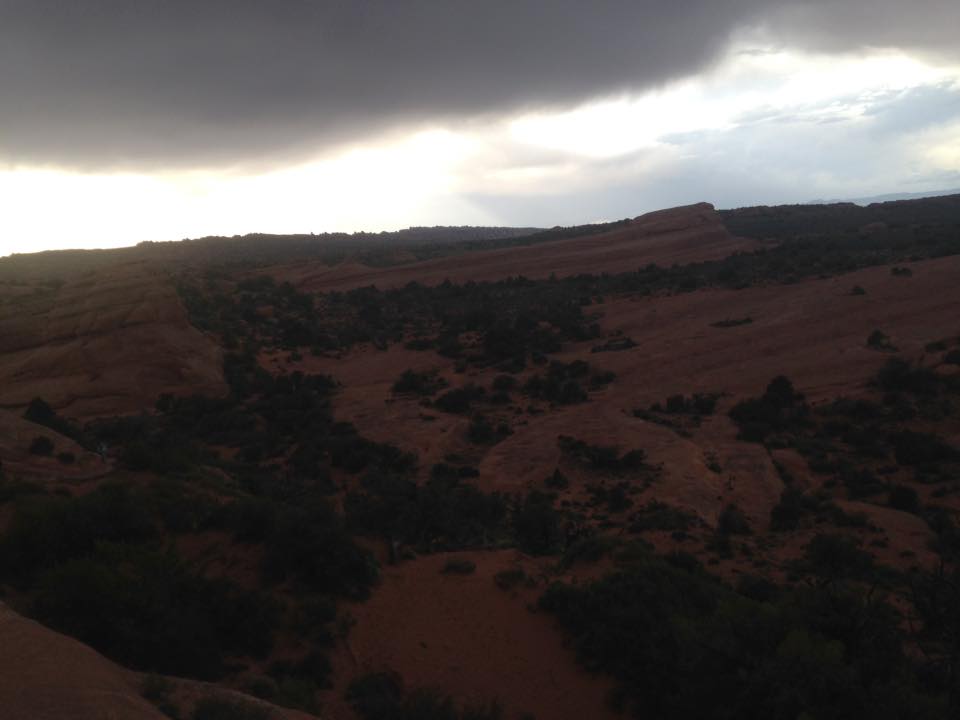
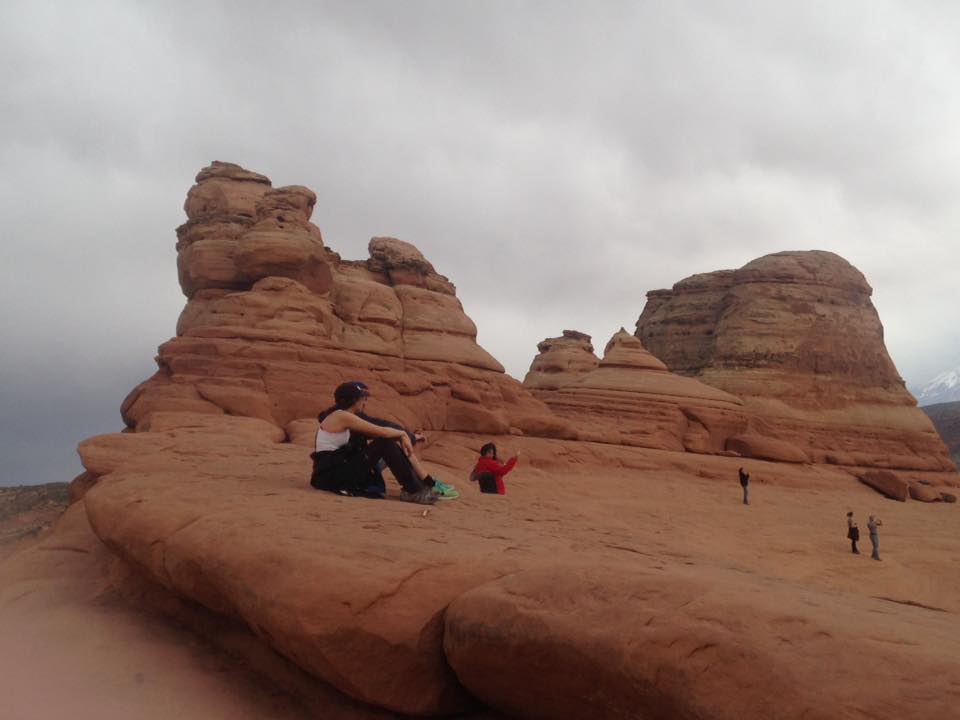
We drove around the park a bit to get to our destination (the starting point of the hike up to the Delicate Arch) and (of course) I took a few pictures along the way:
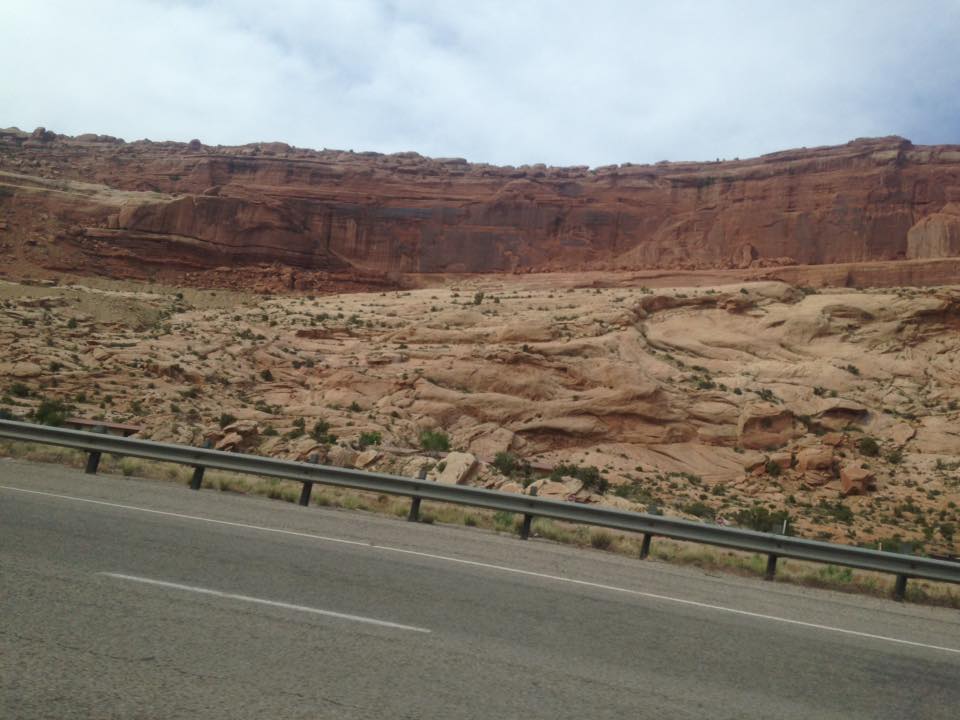
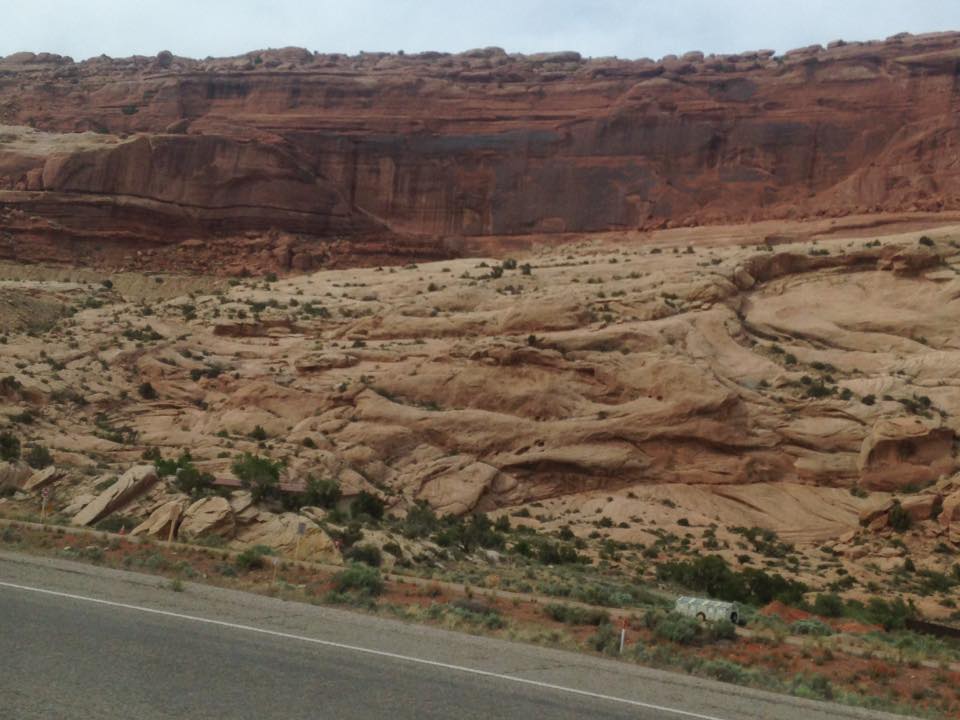
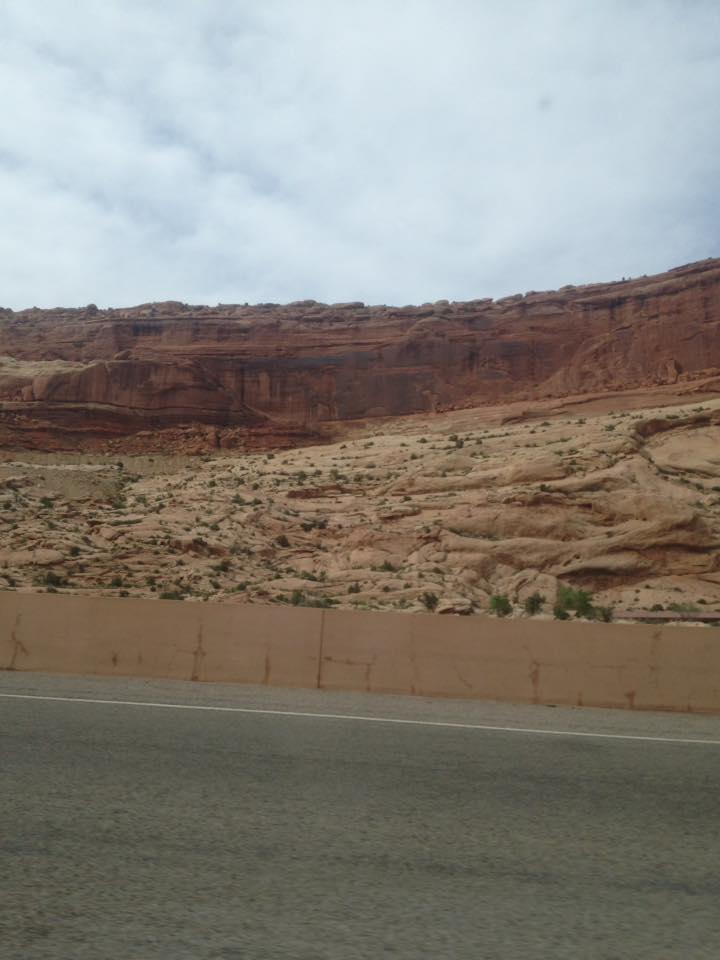
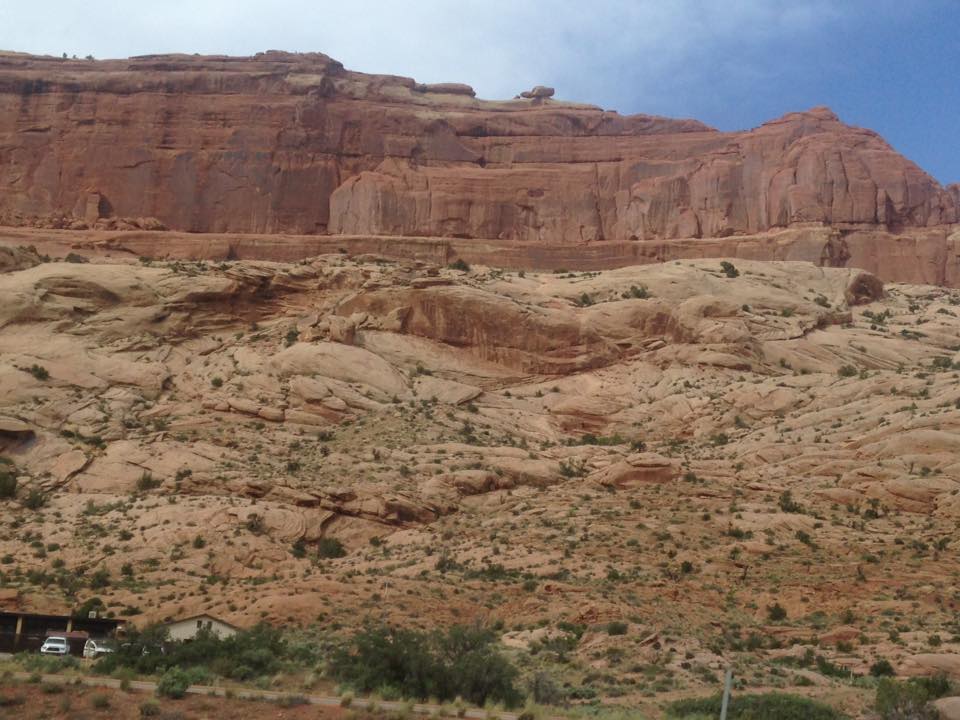
And once we reached our starting point, we all got out of the vehicles and started to climb. I initially wasn’t going to go on this hike, but because I didn’t want to look like a weakling, I decided to toughen up and travel up with everyone else.
And boy was I glad I did.
Casey and I climbed up together – going at a slow, steady pace (which I needed). We occasionally drank water, stopped for breaks, admired the view, and talked about all sorts of things ranging from friends, to religion, to school, to relationships.
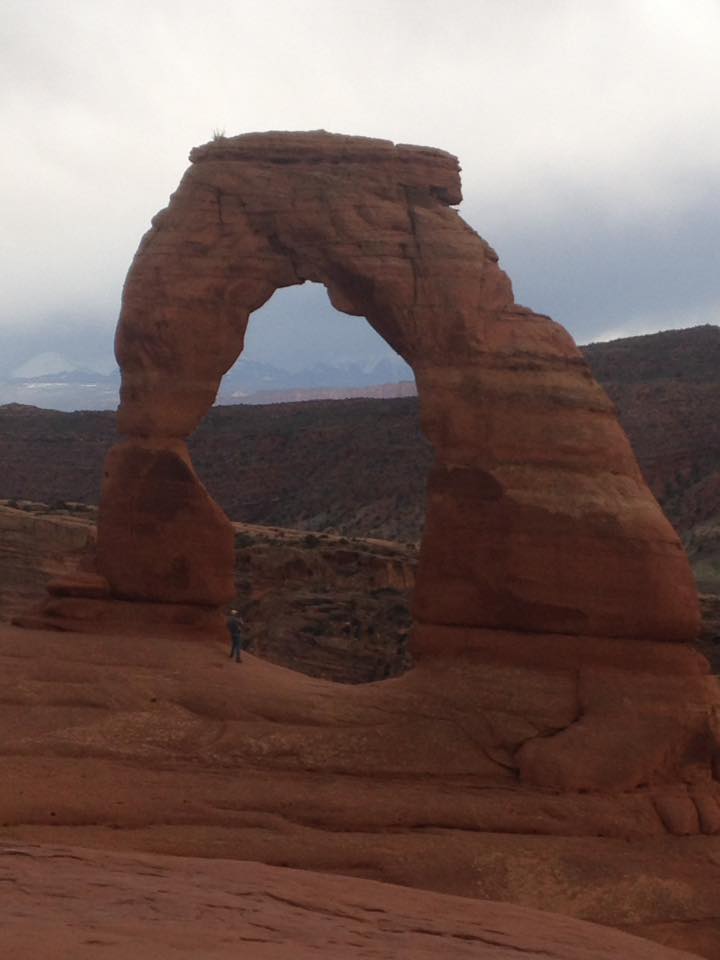
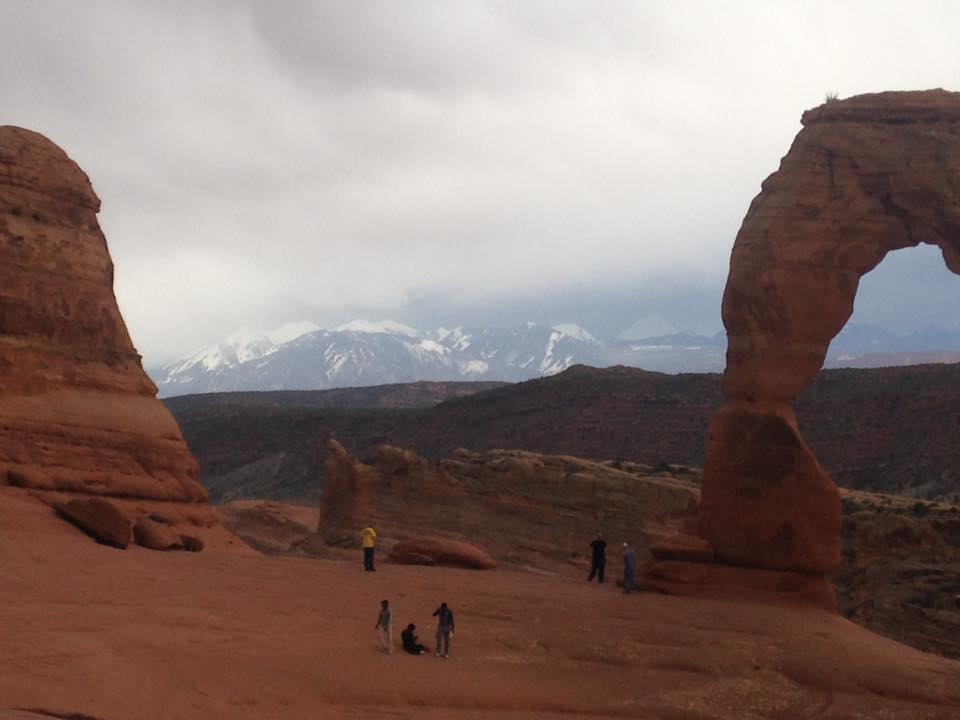
We eventually reached the big arch after the majority of guys did, and thankfully it didn’t rain and the sun came out again.
And I originally wasn’t going to go stand underneath the arch to take pictures because it was too close to the edge, and as I mentioned before, I’m terrified of heights.
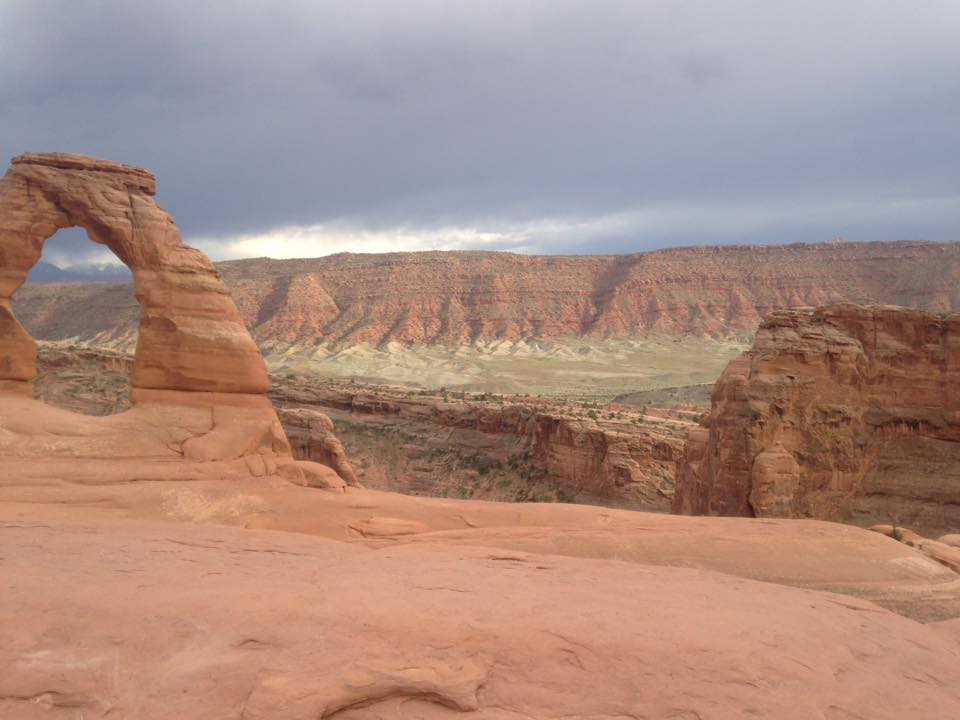
However…I toughened up again, and decided to give into Casey’s persuasion. I handed her my phone and I went out to the Arch so that she could take my picture:
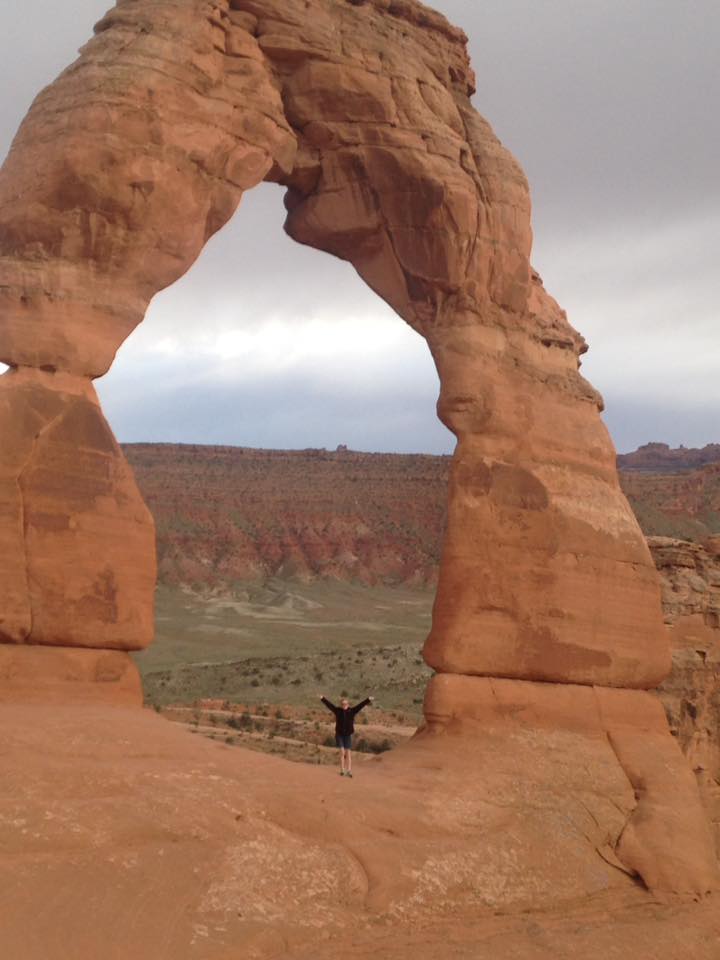
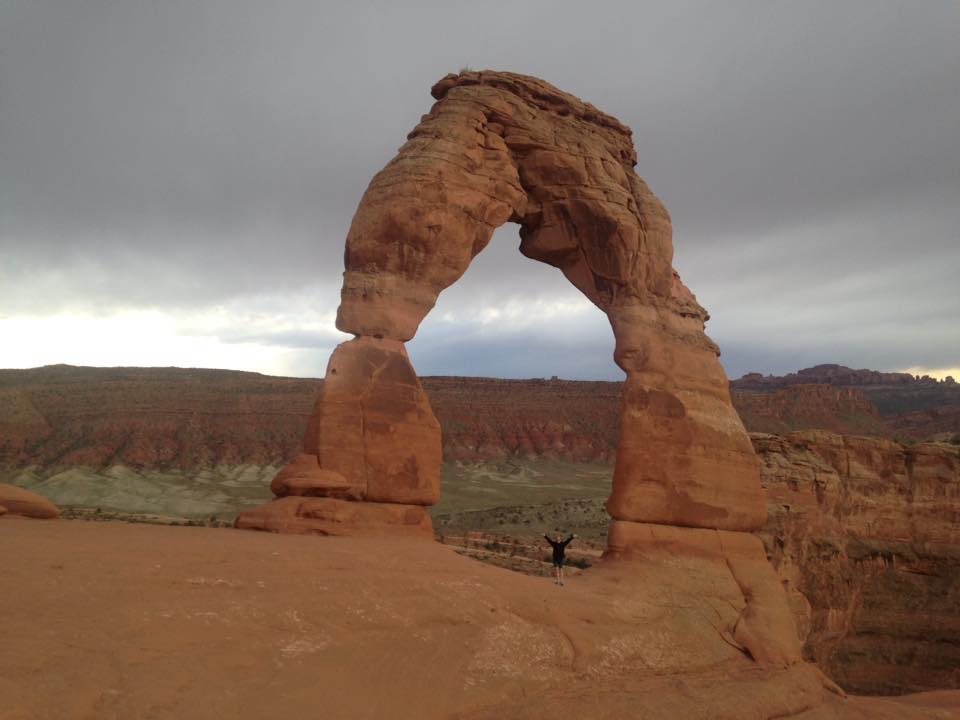

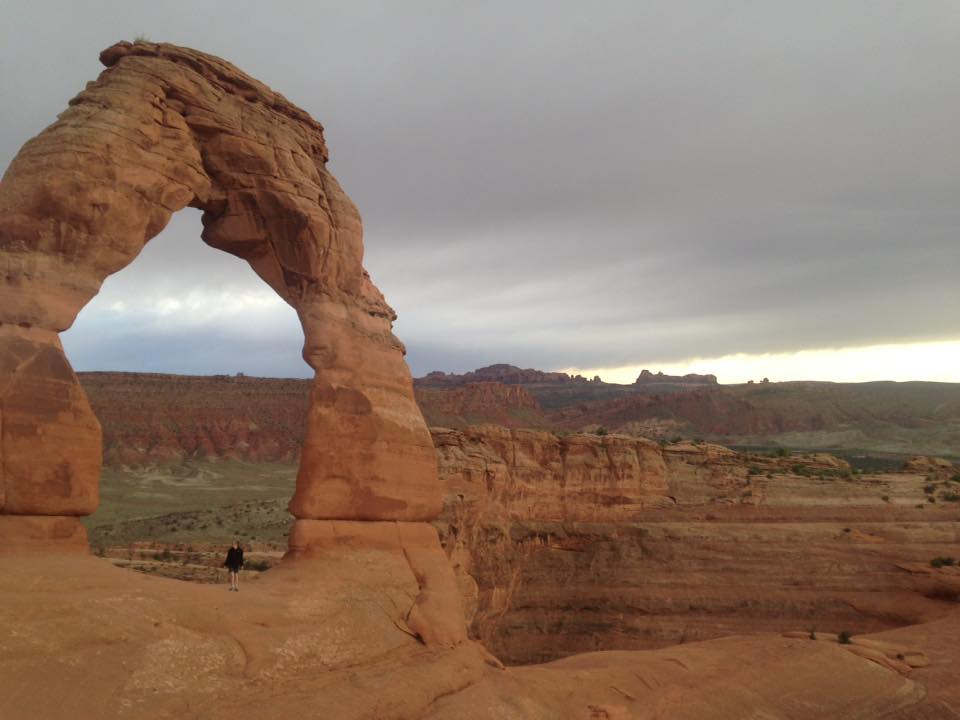
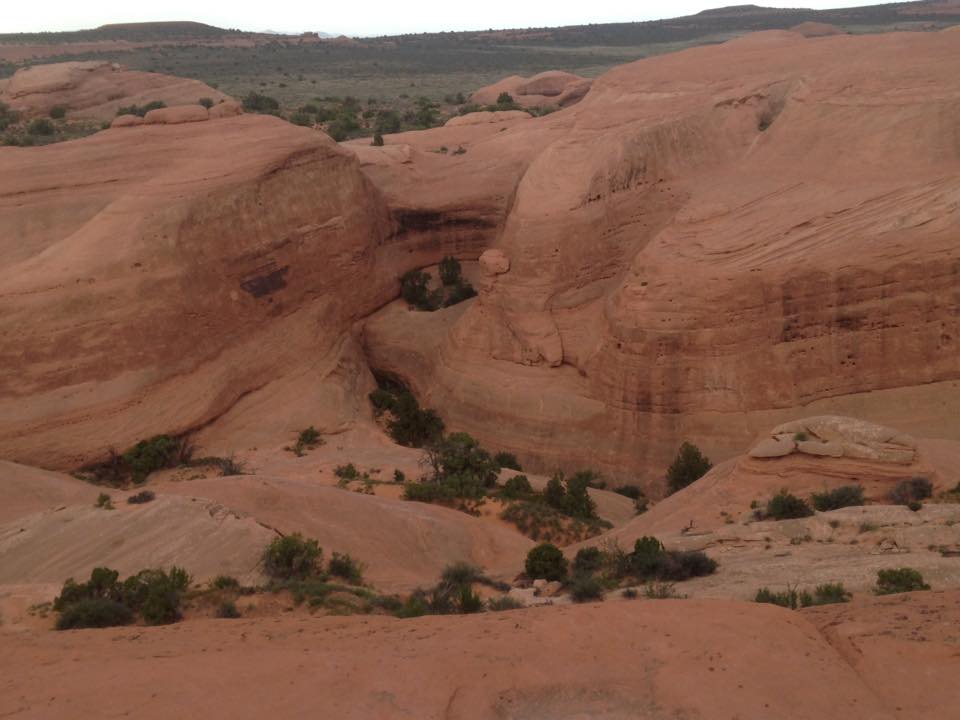
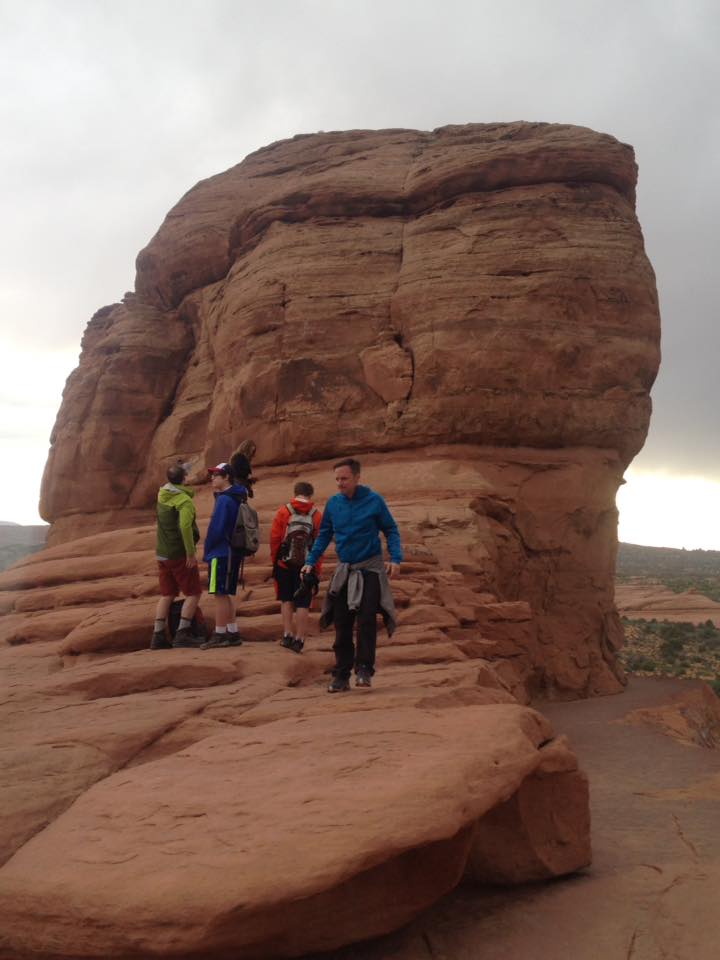
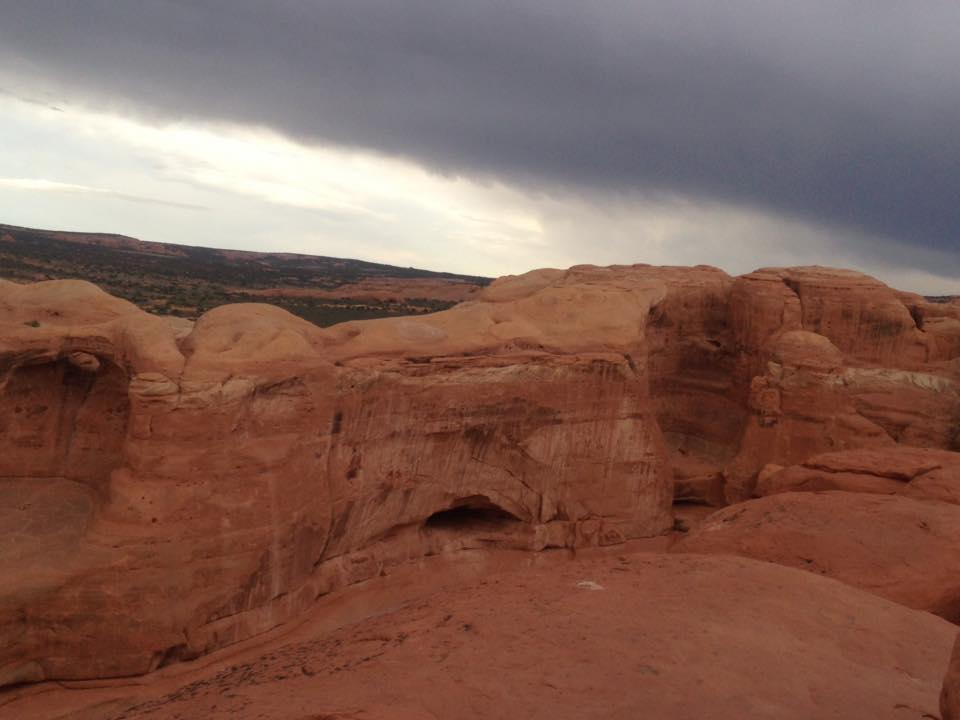
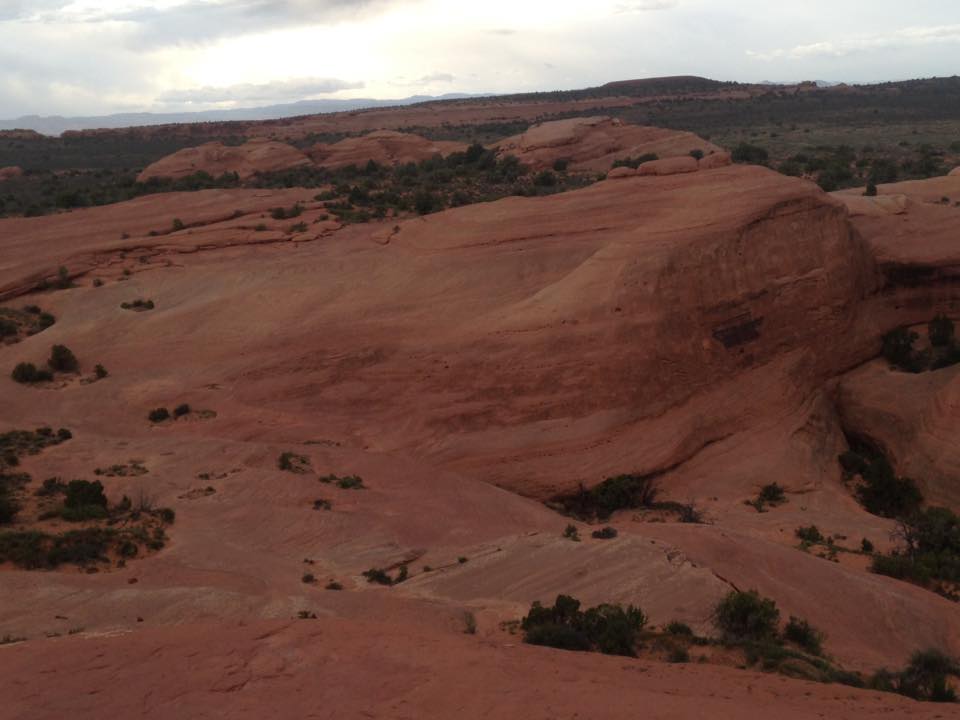
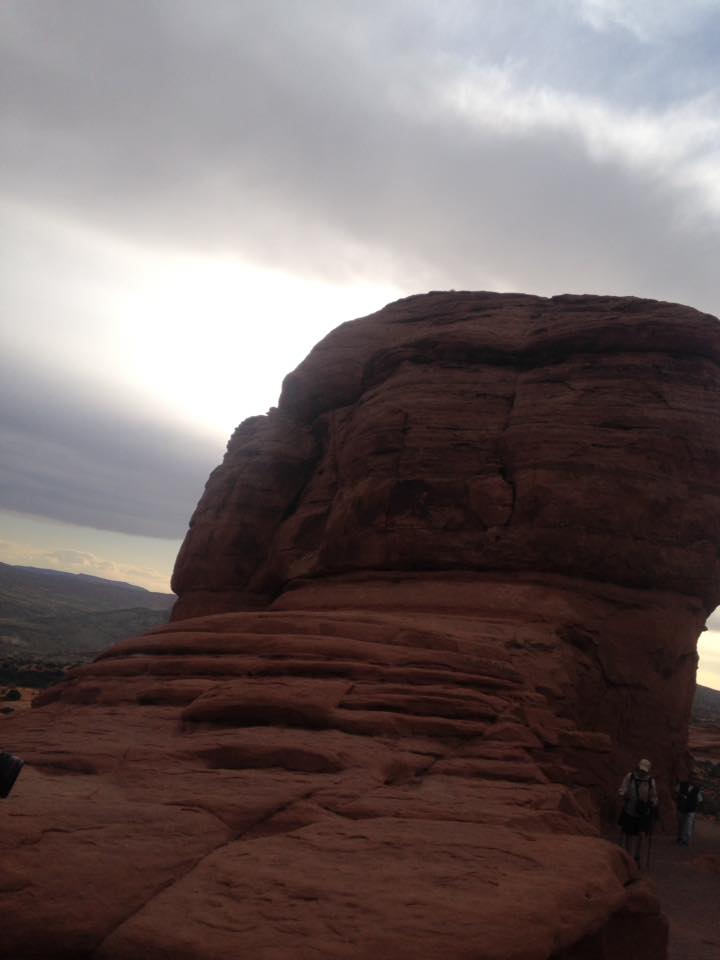
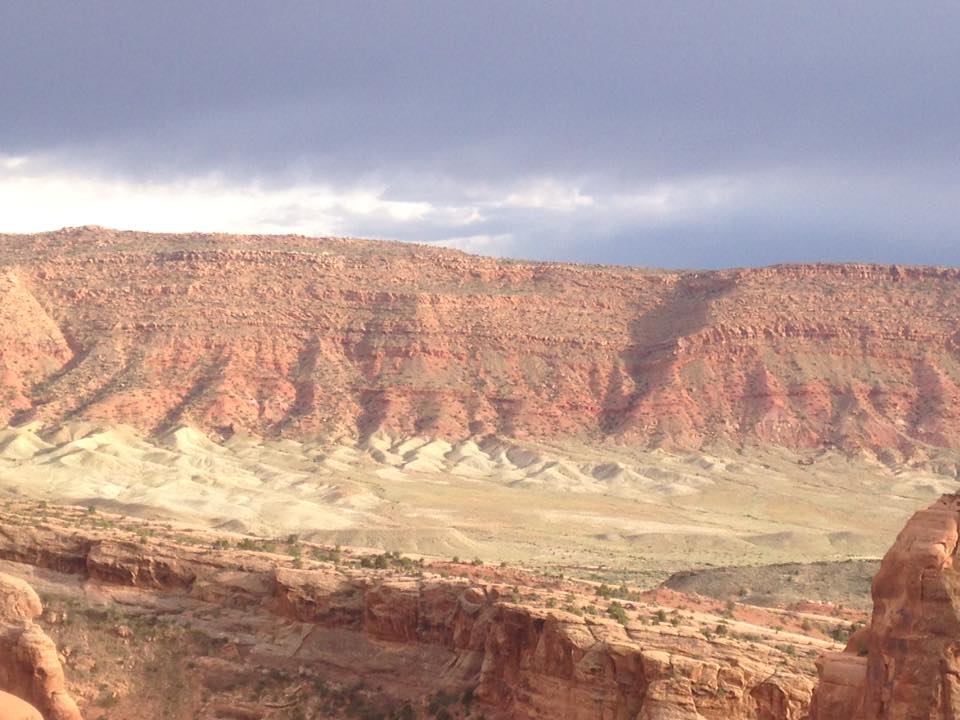
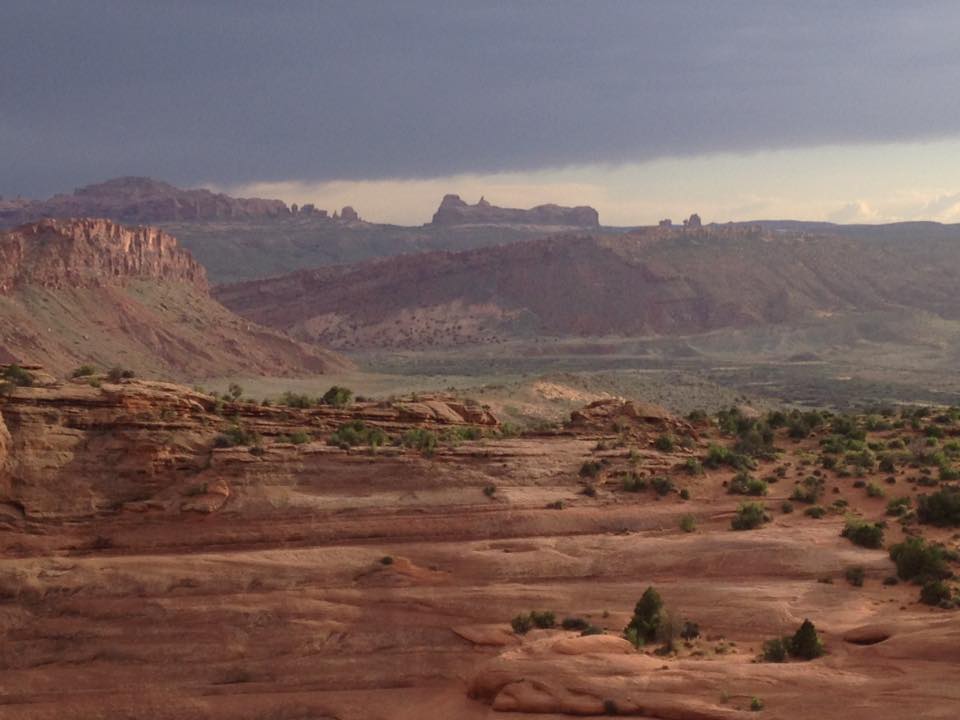
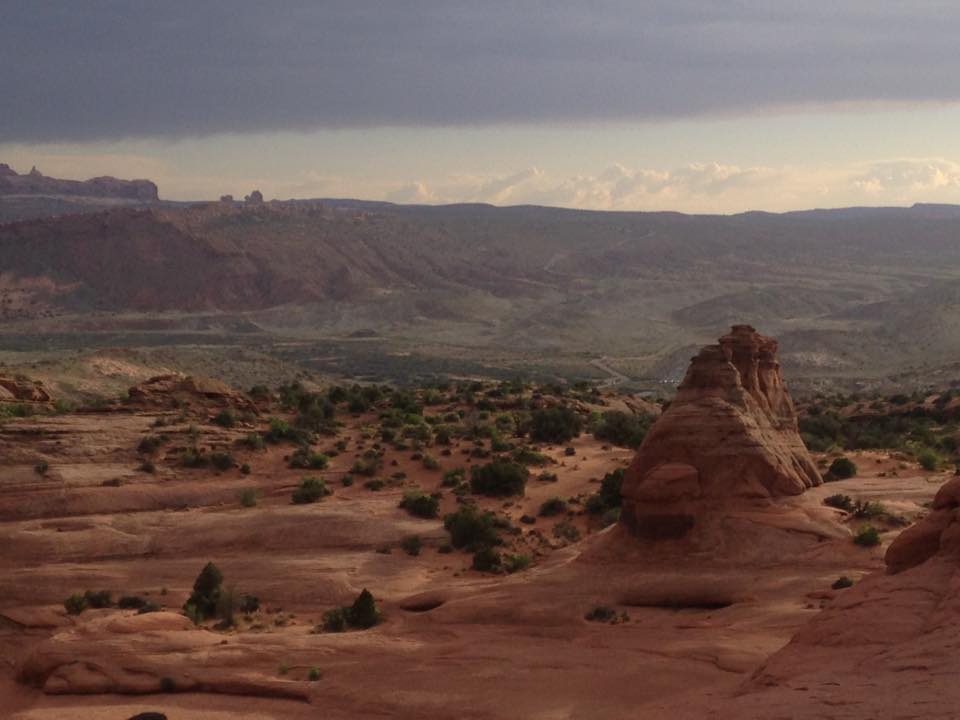
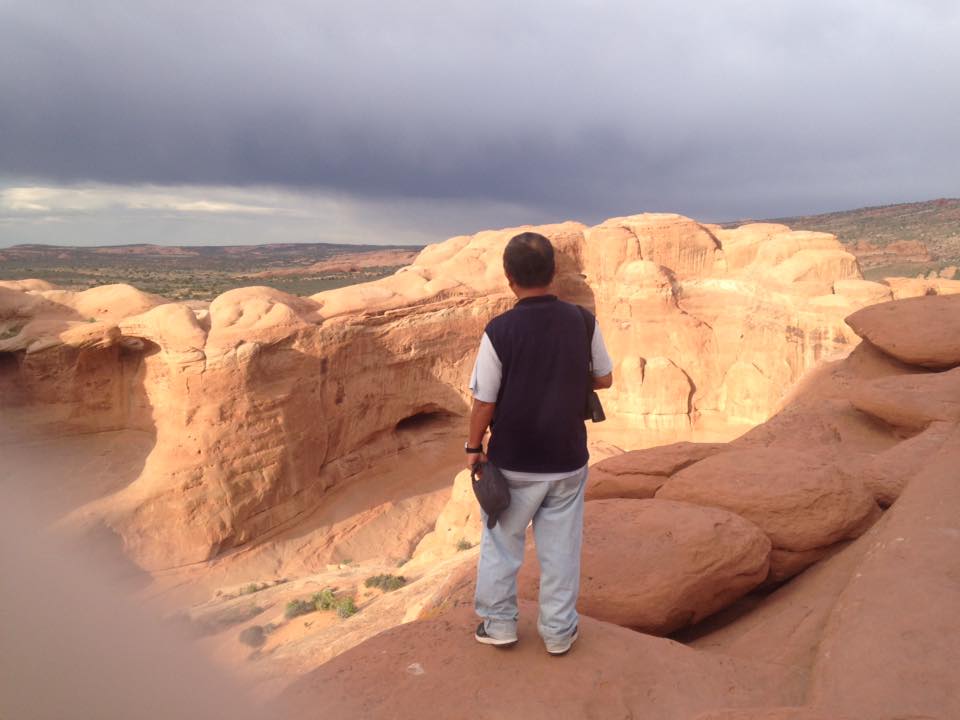
And here are some more pictures around the Delicate Arch:
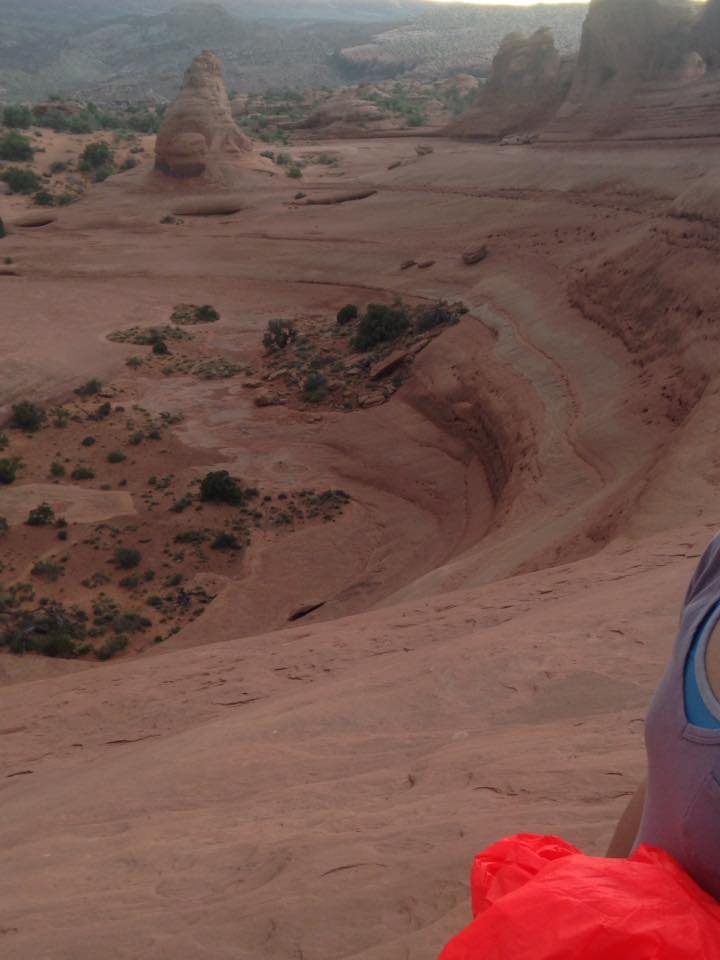
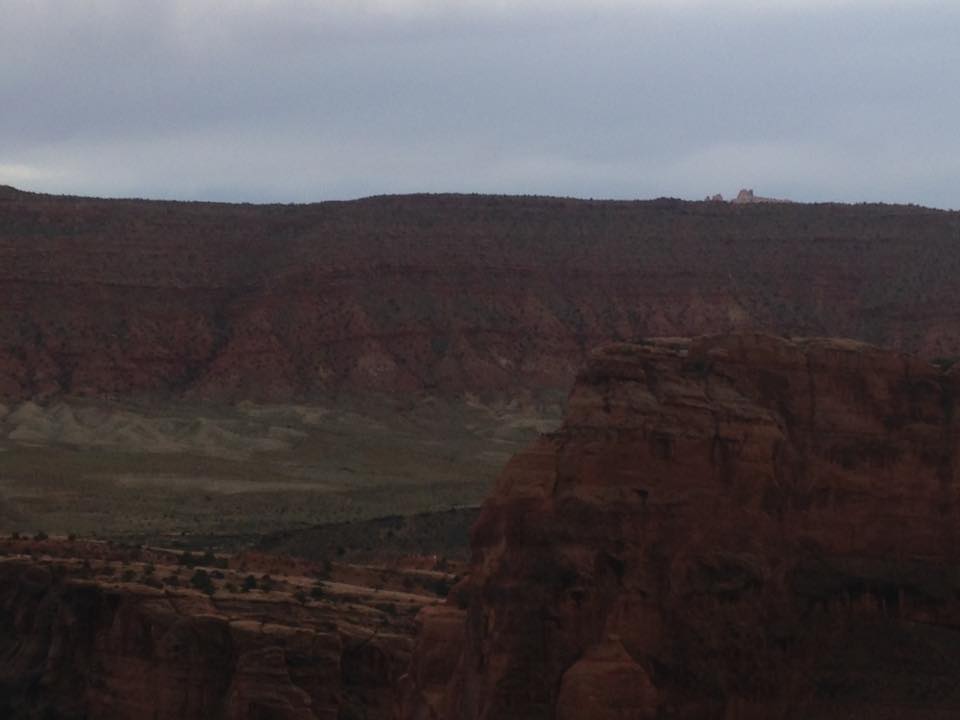

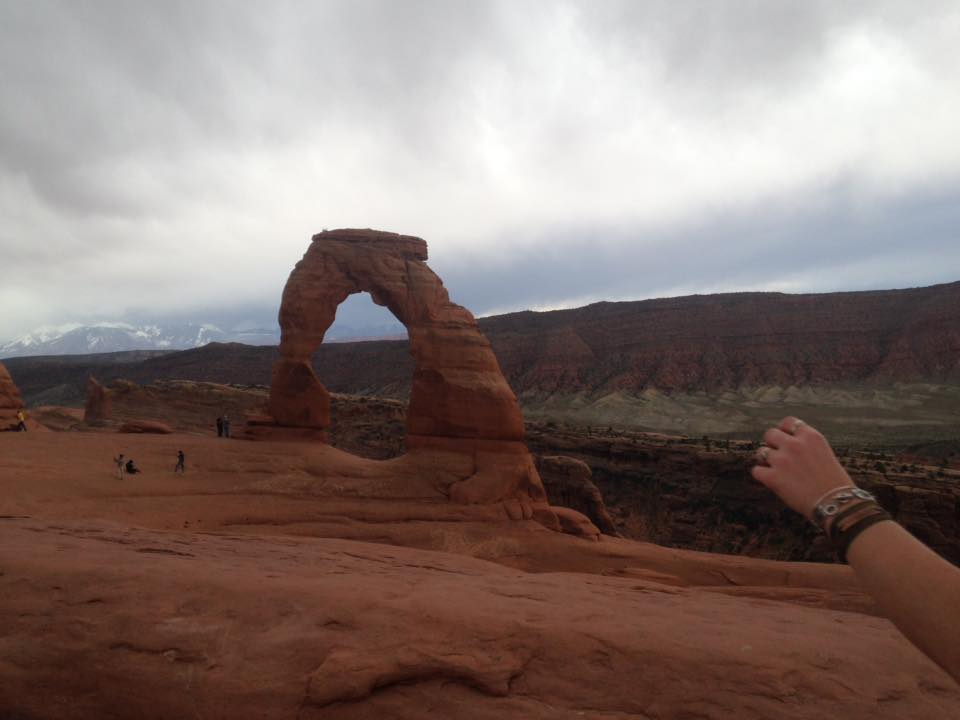
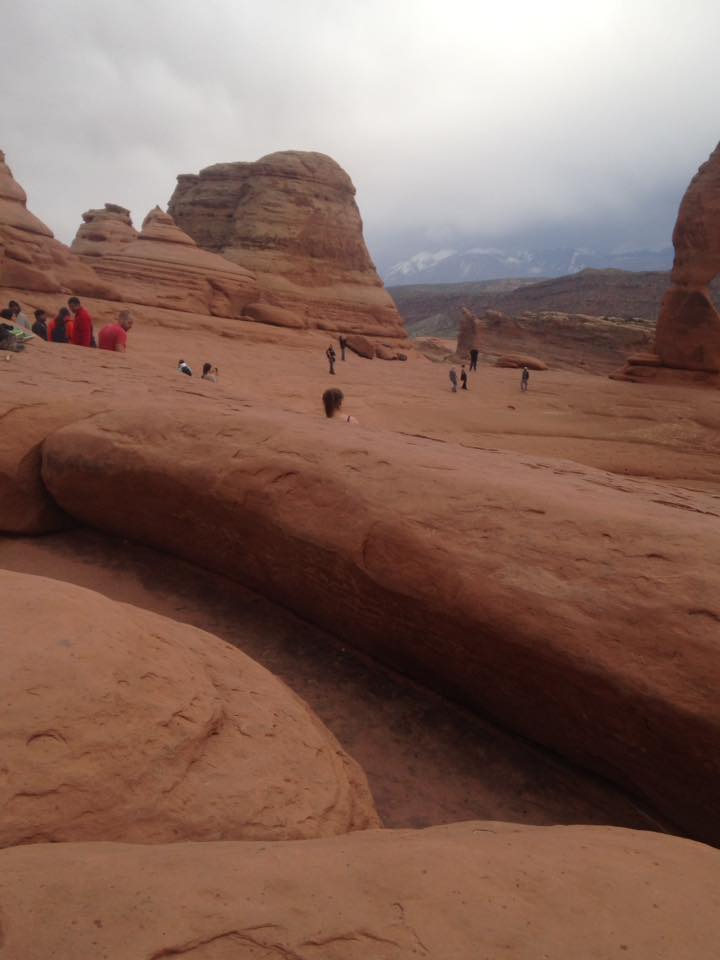
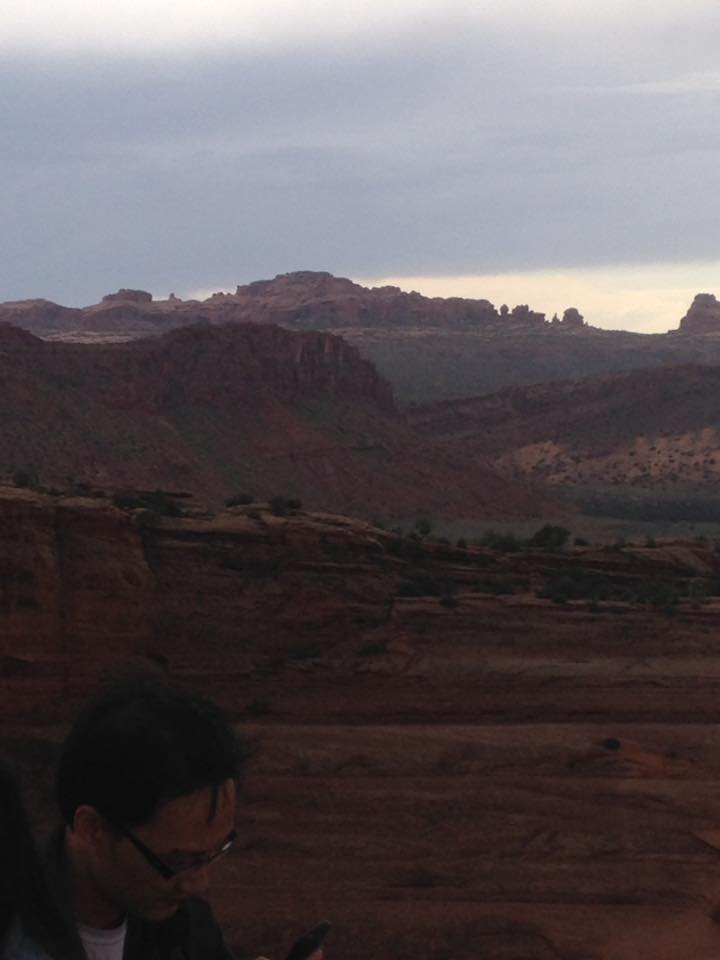
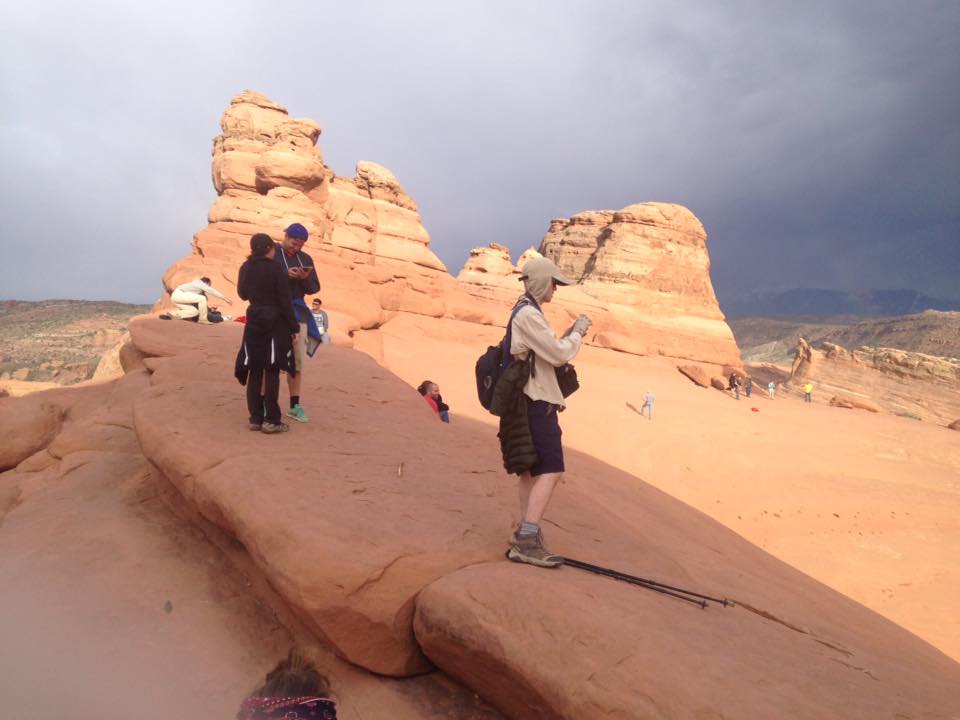
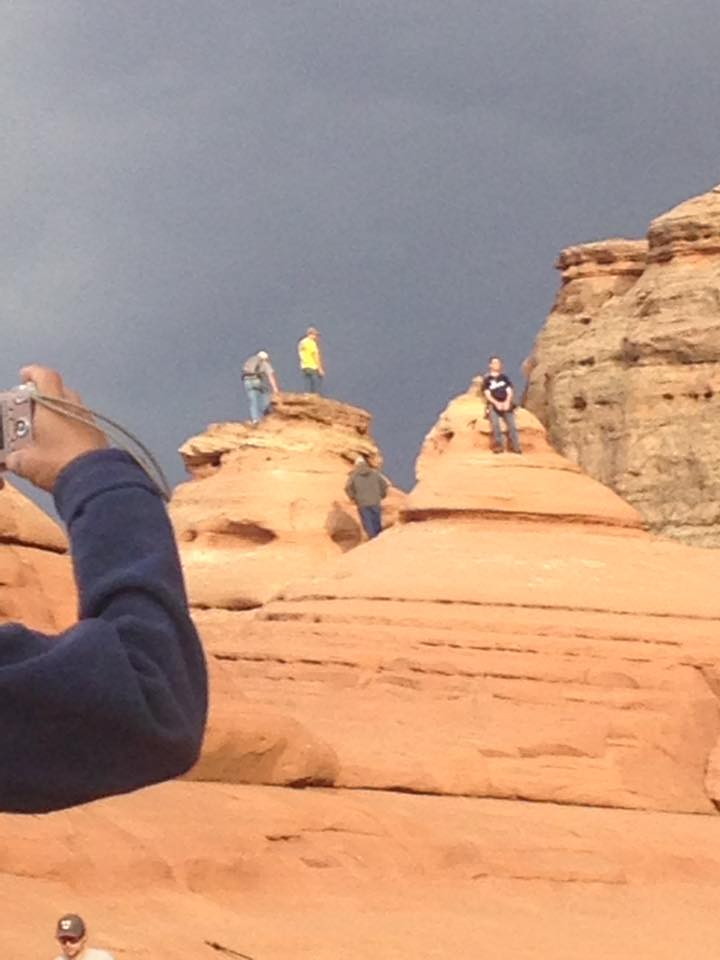

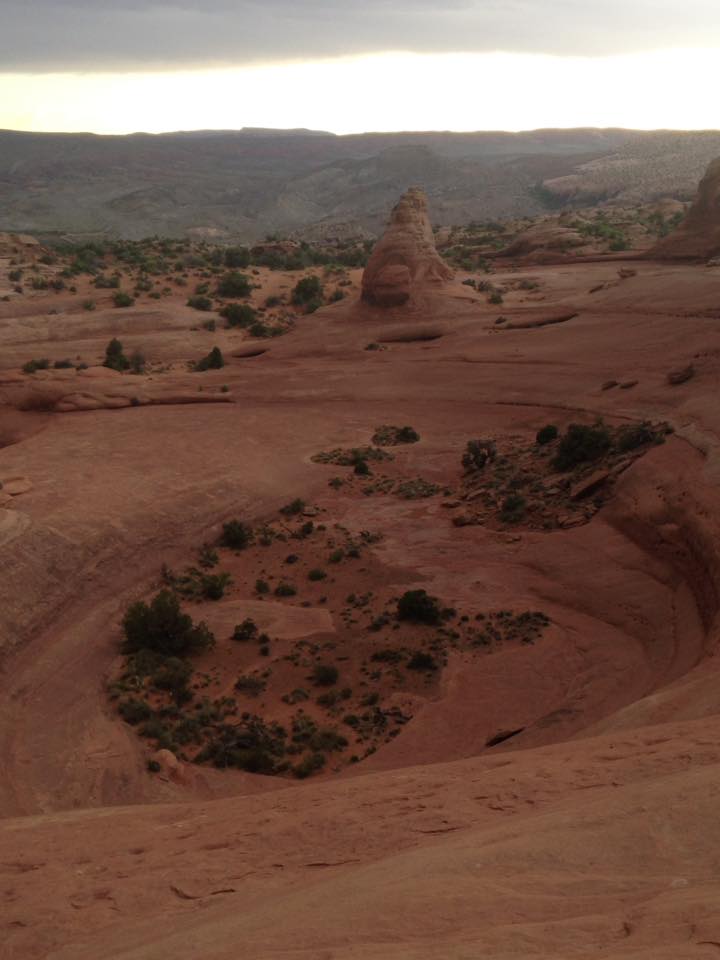
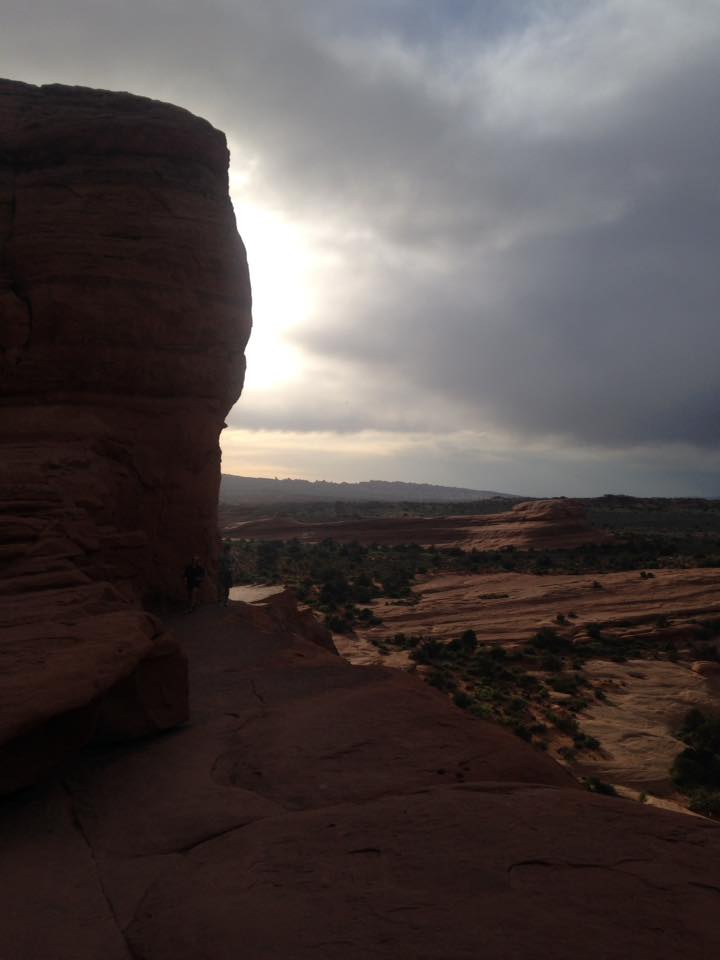
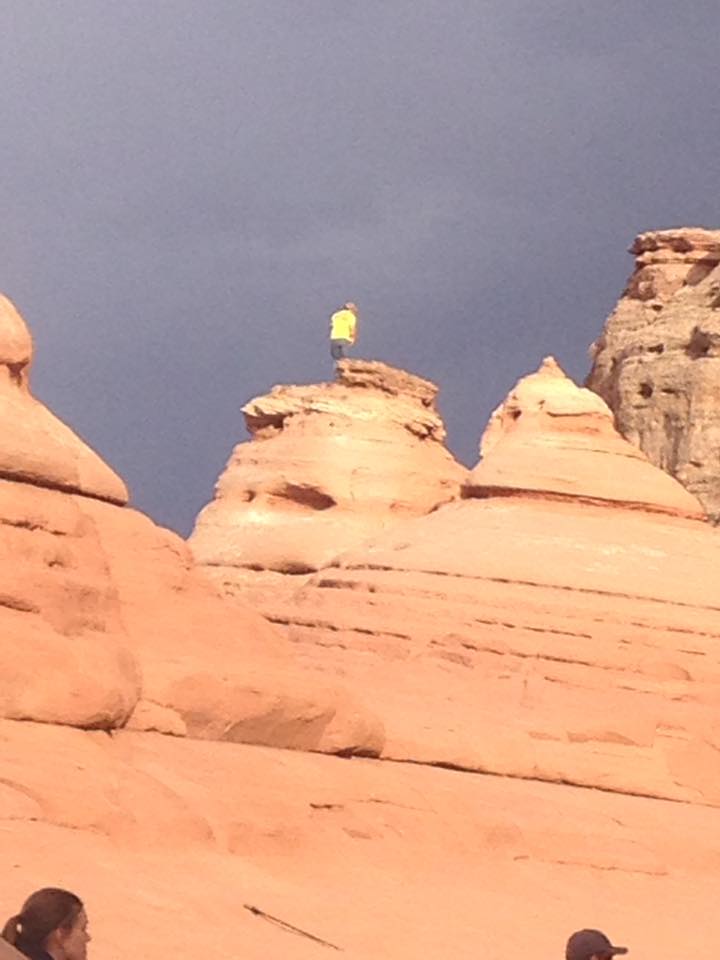
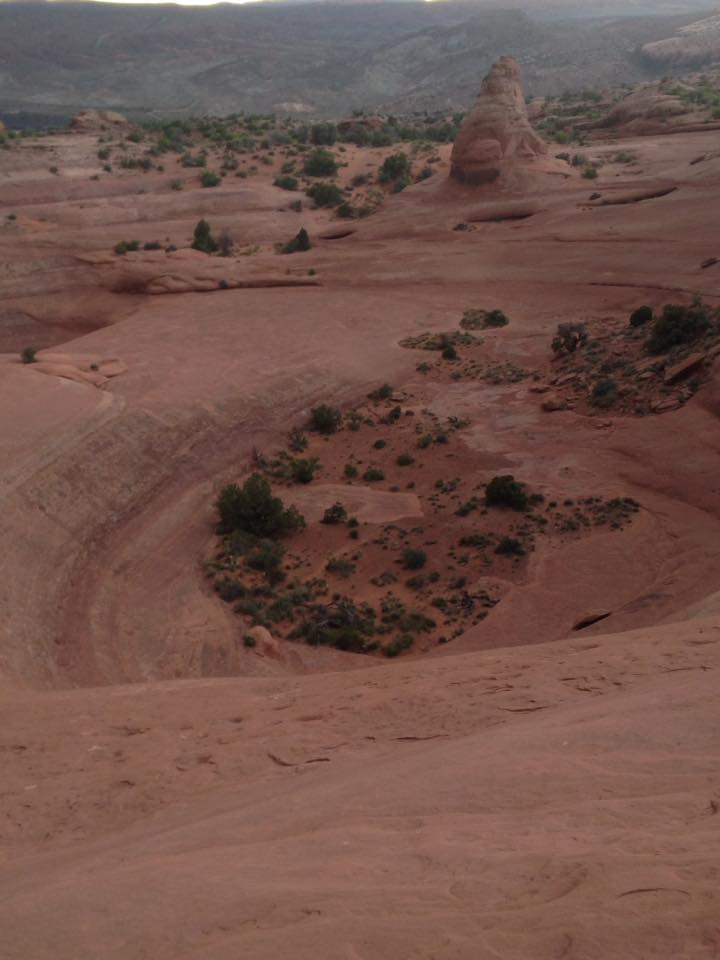
Rainbow:
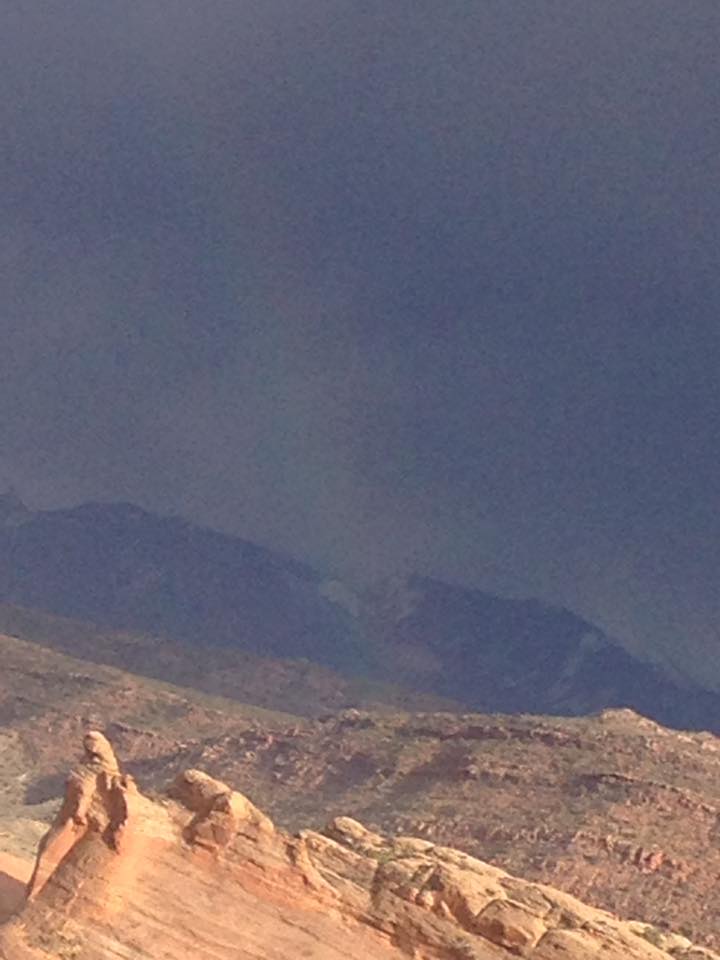
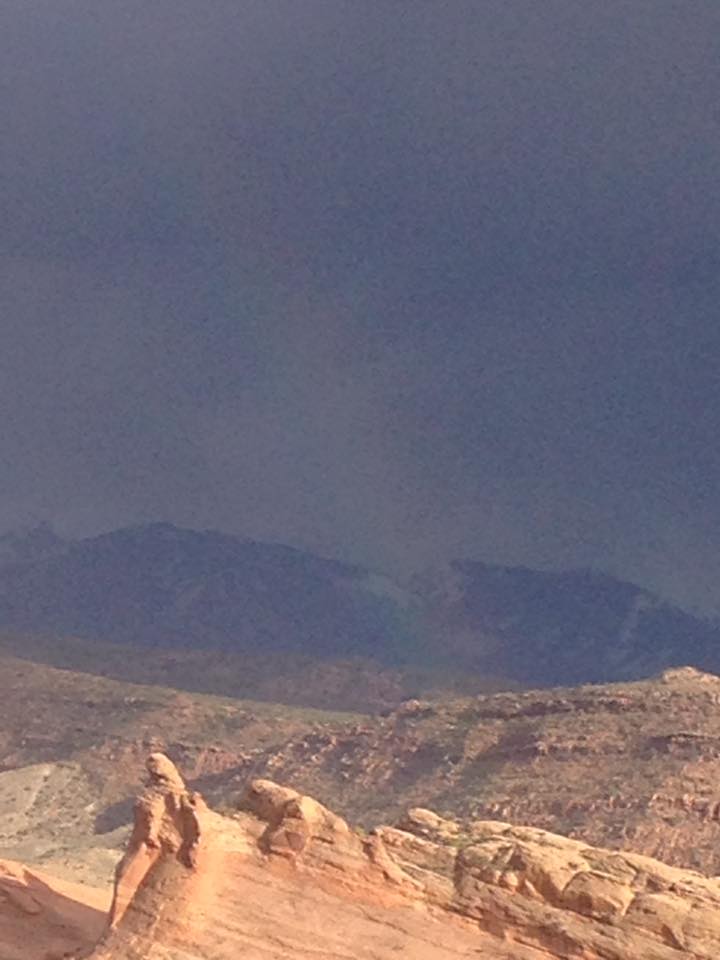
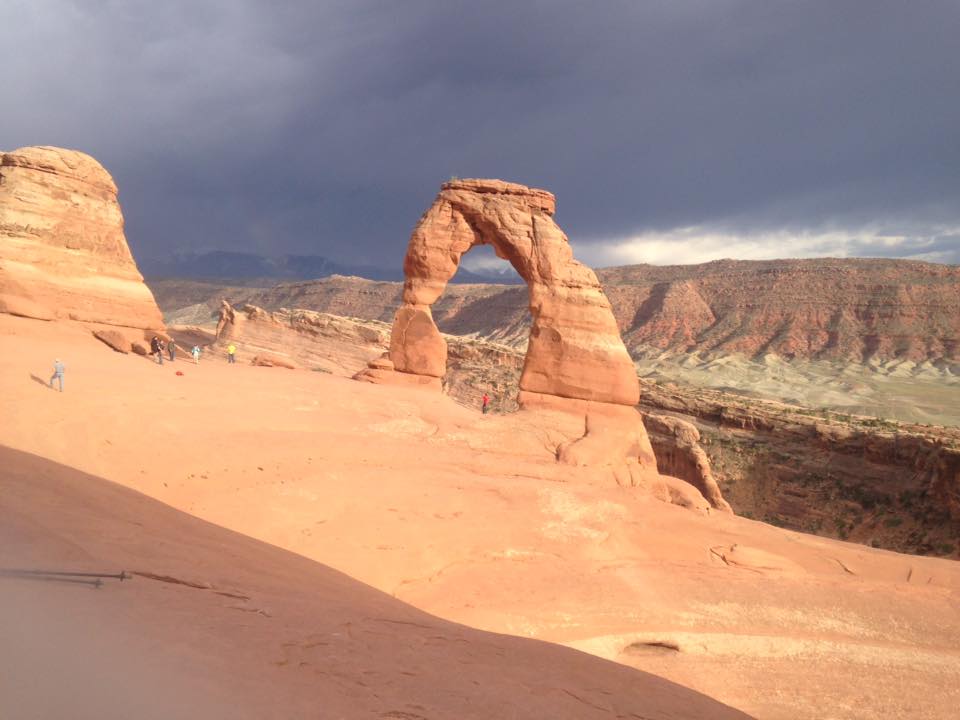
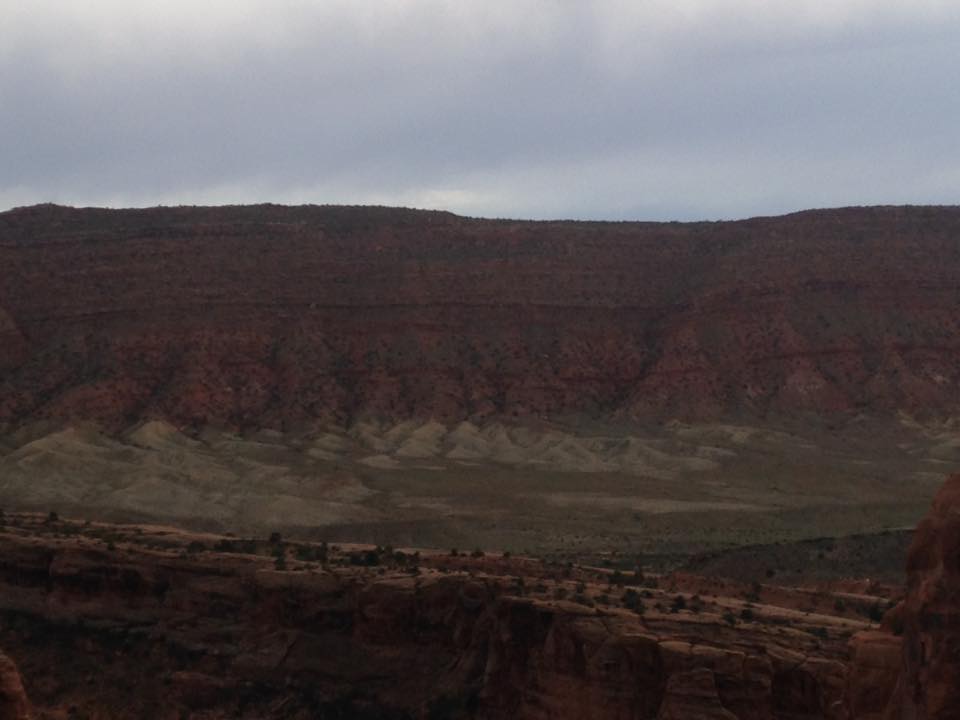
And here’s some pictures of what we saw on the way back down as well as the drive to our campsite:
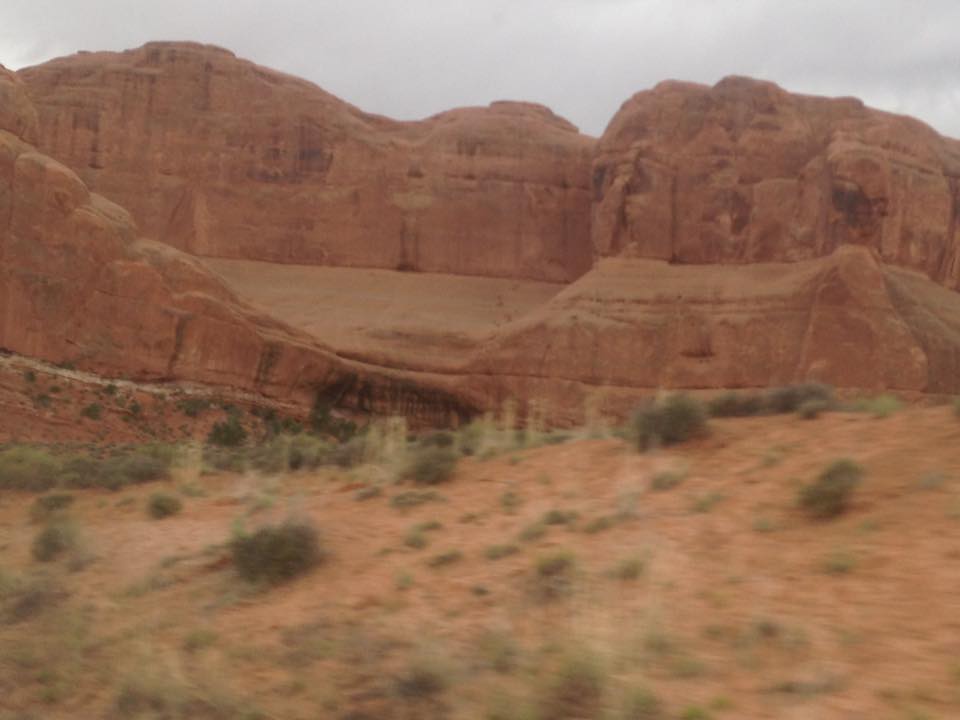
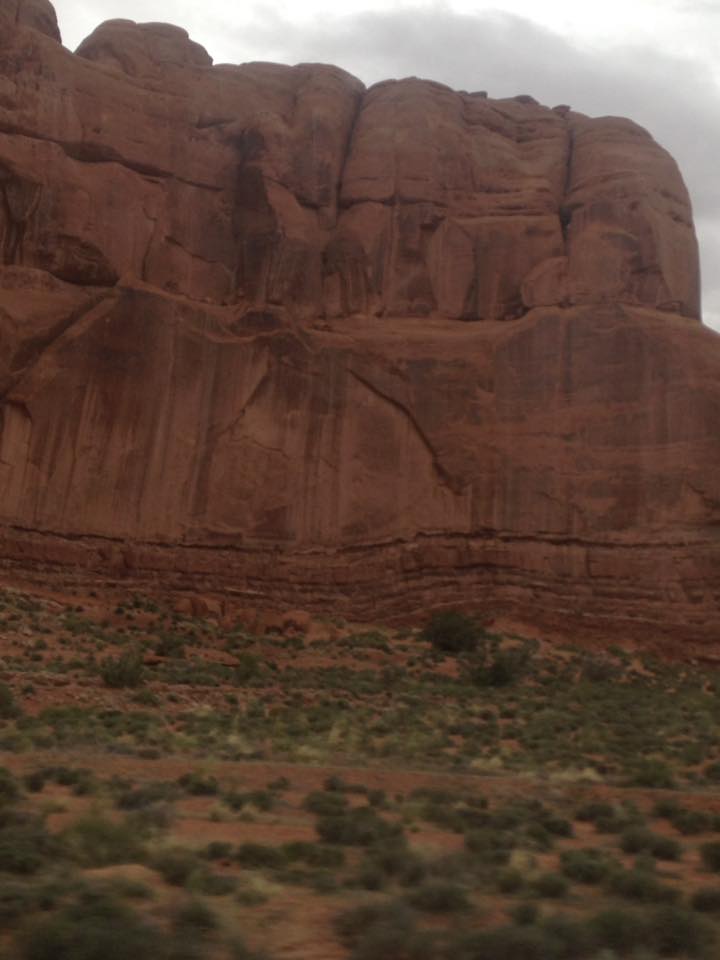
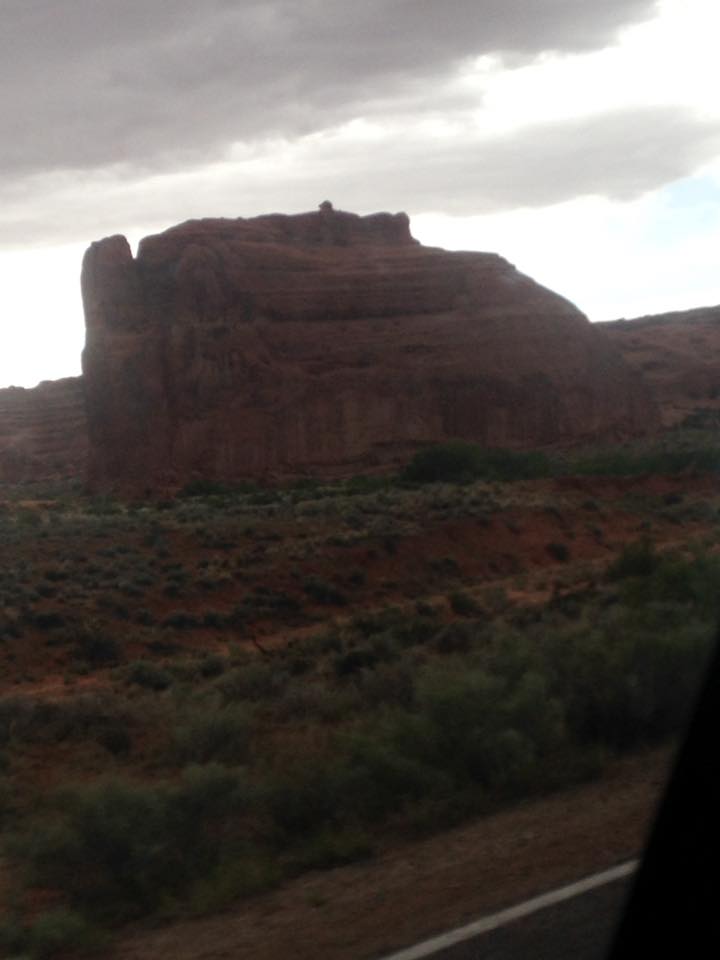
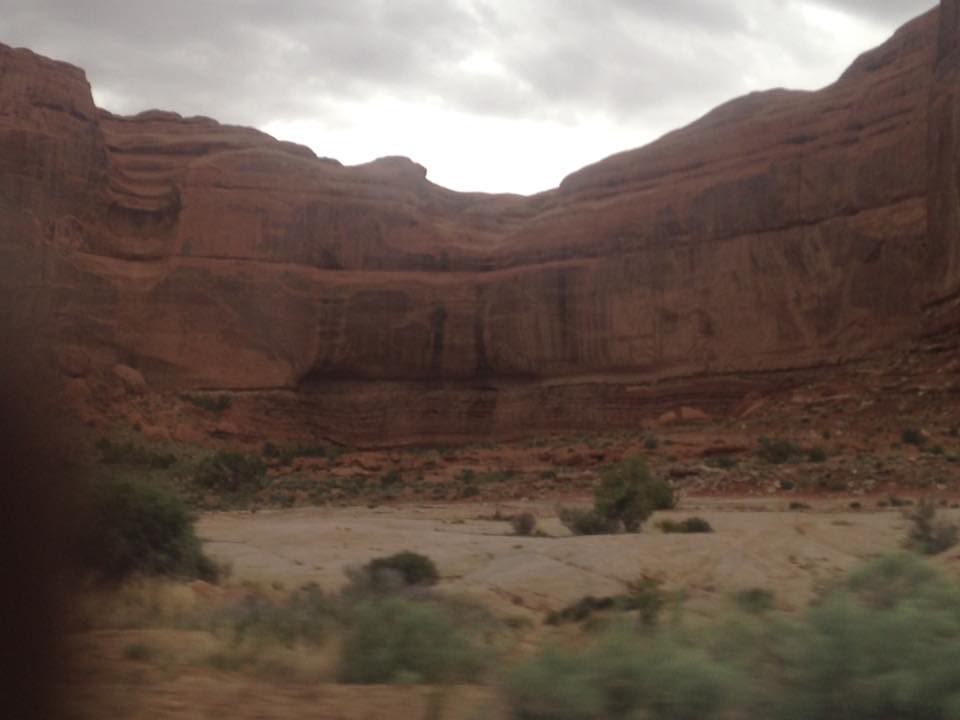
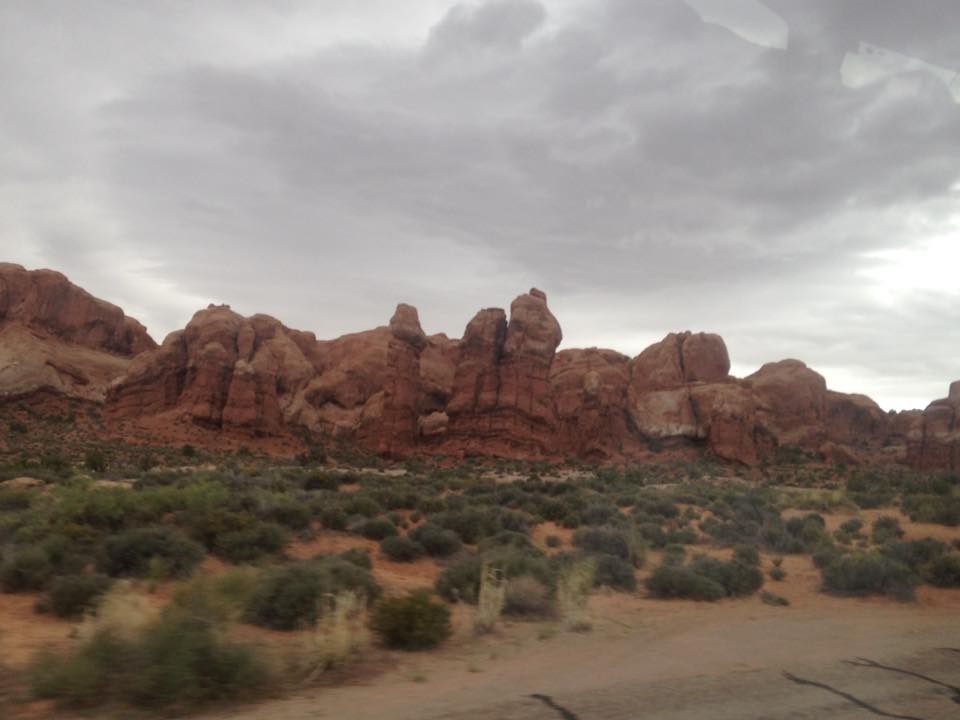
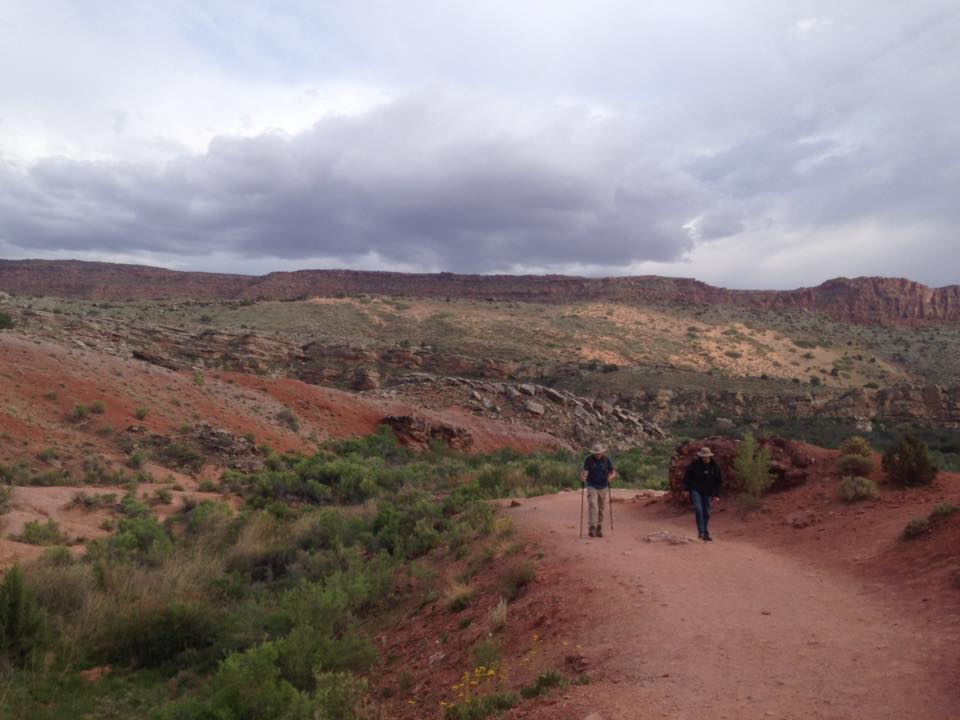
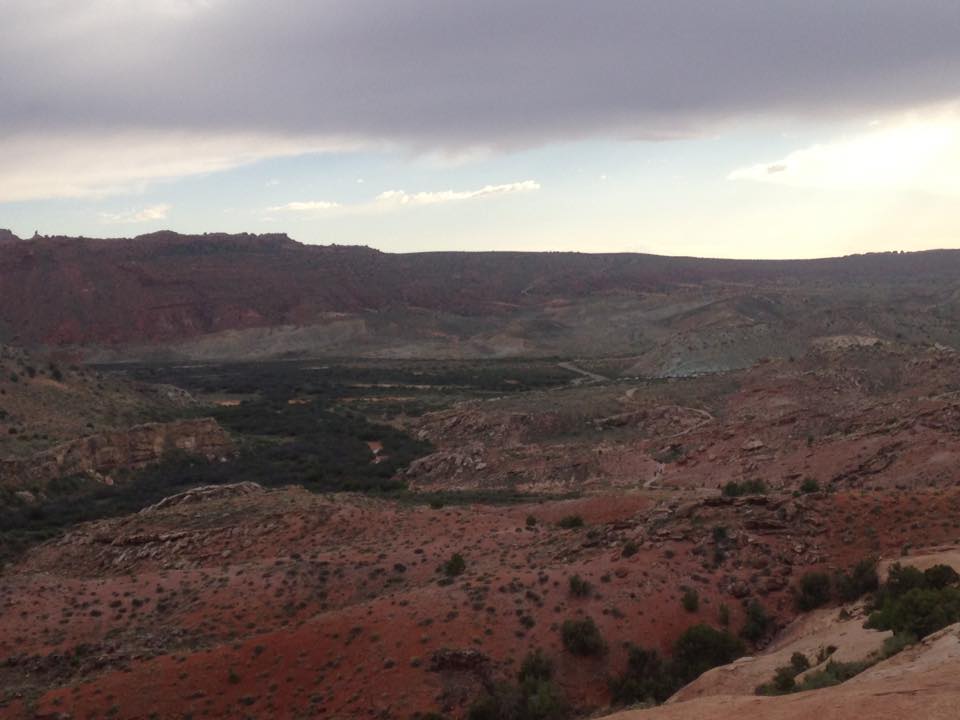
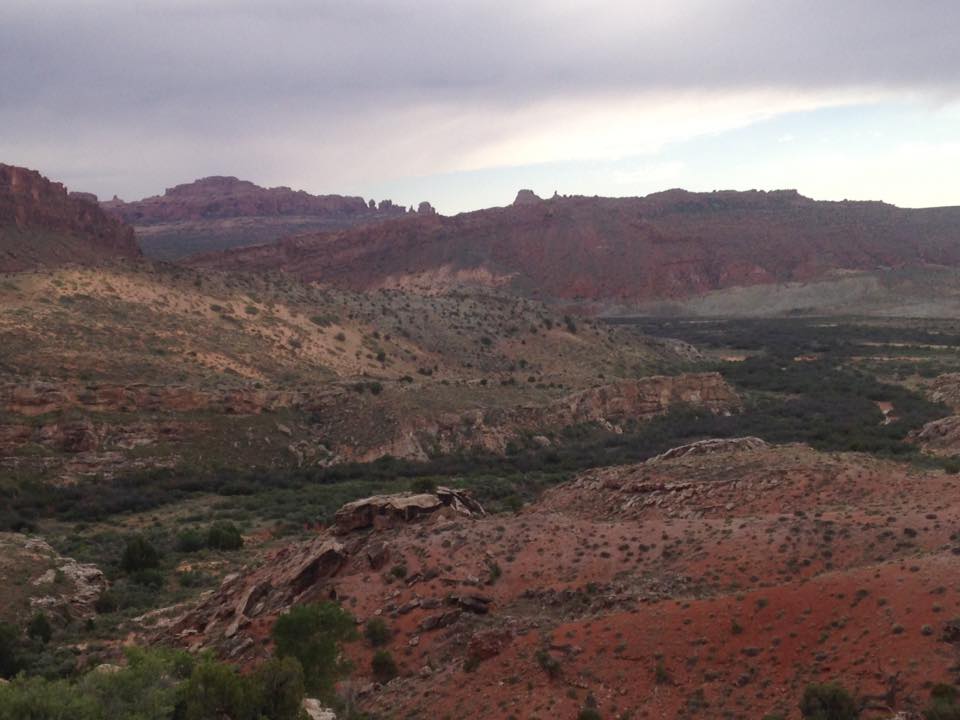
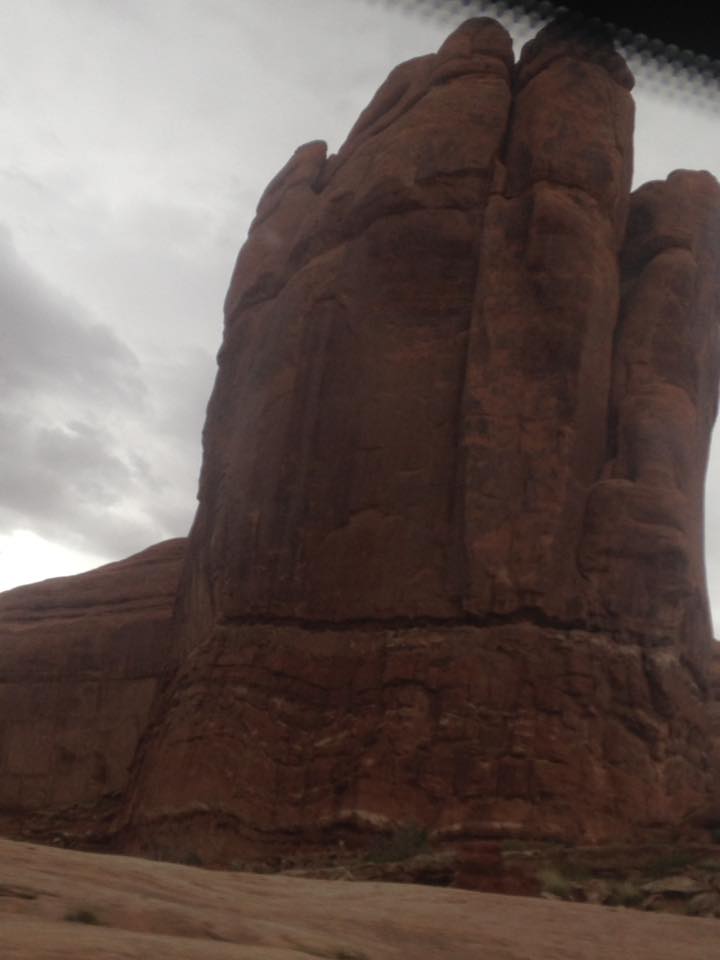
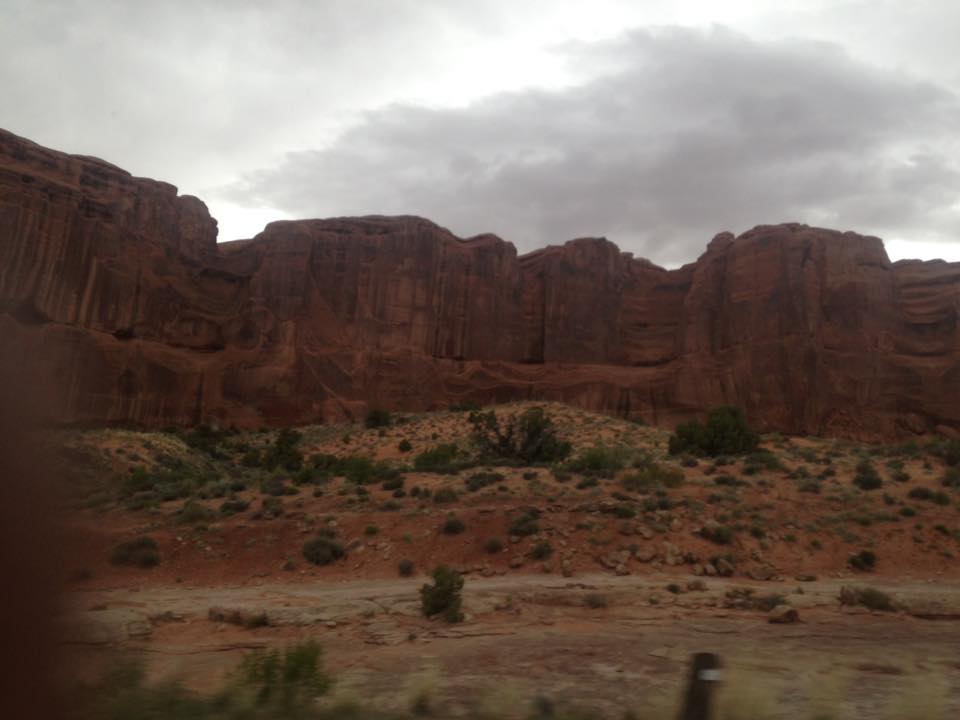
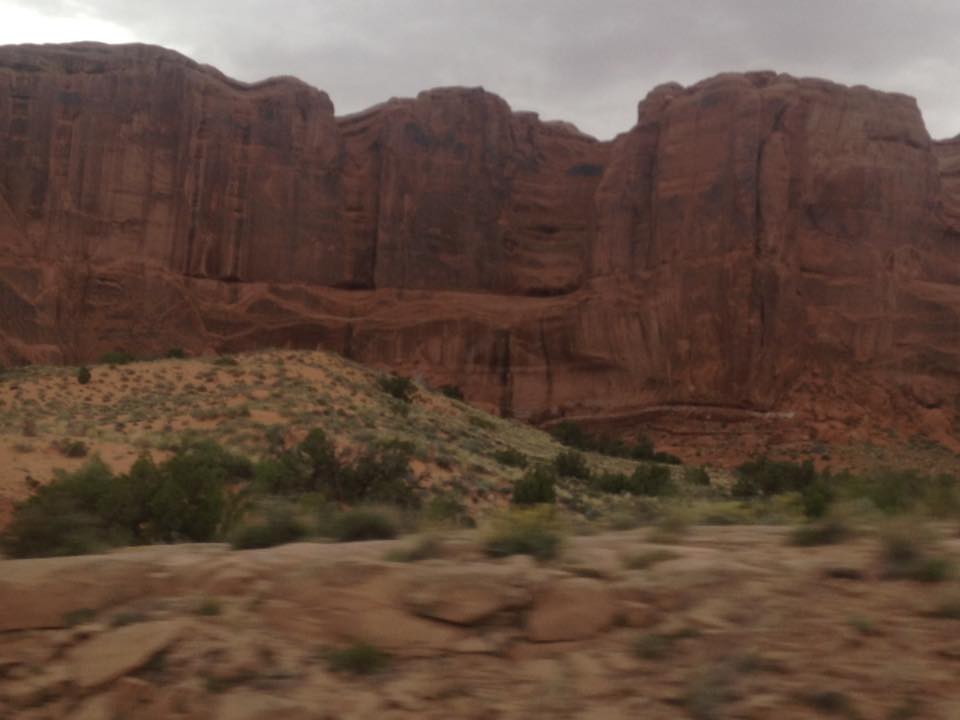
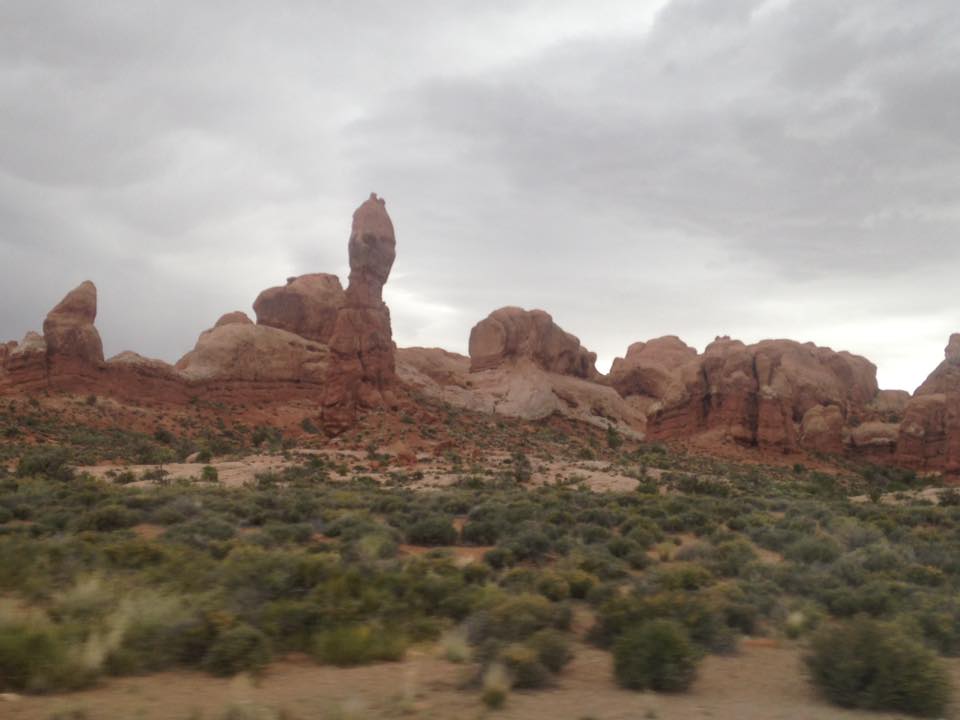
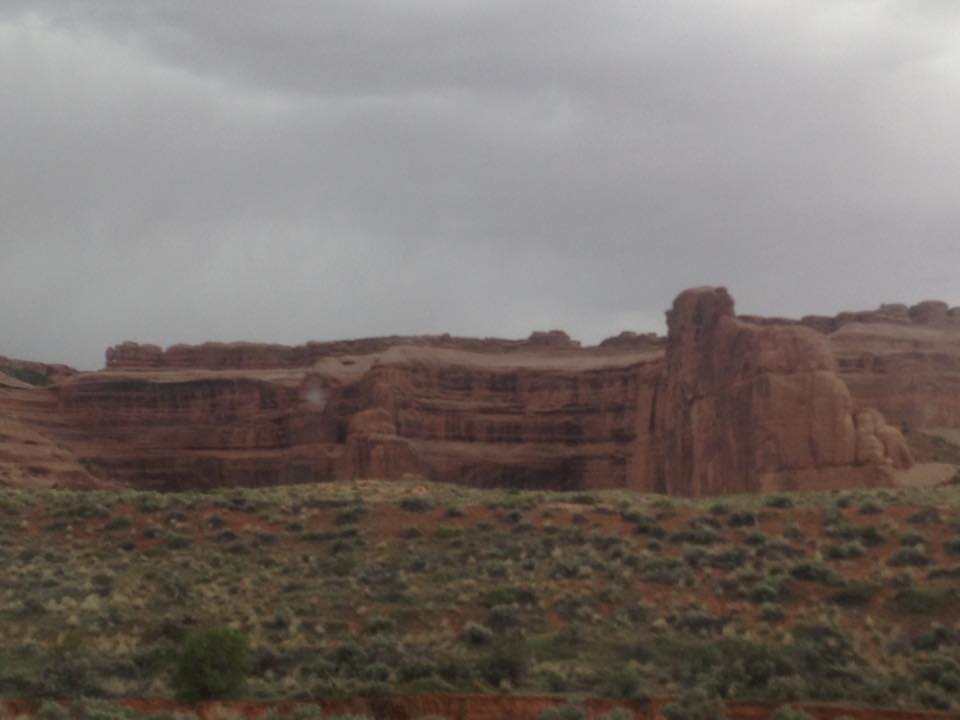
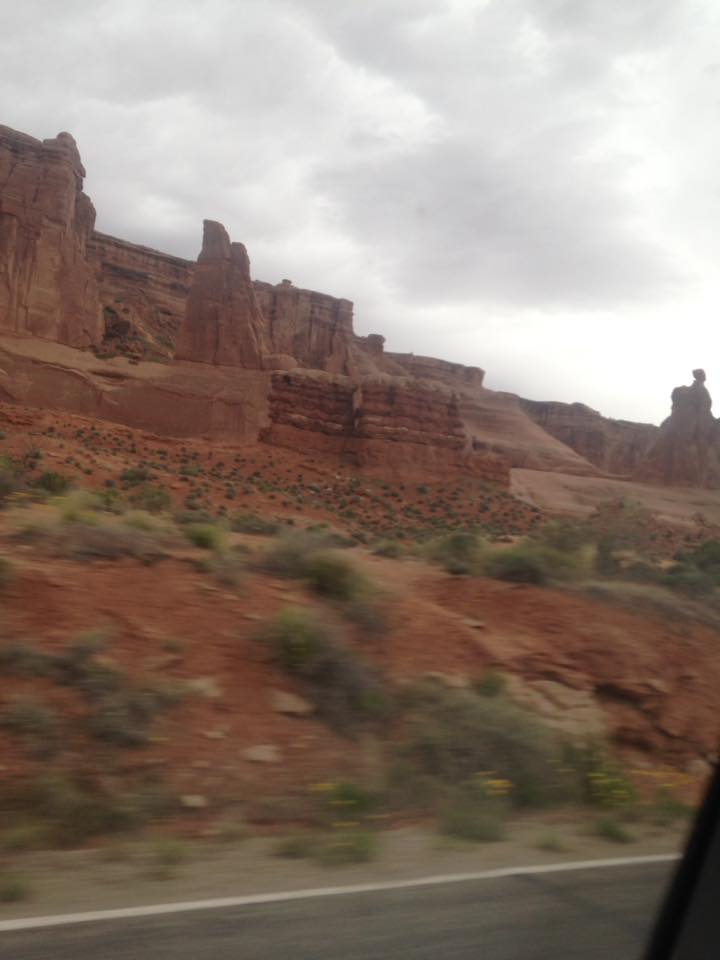
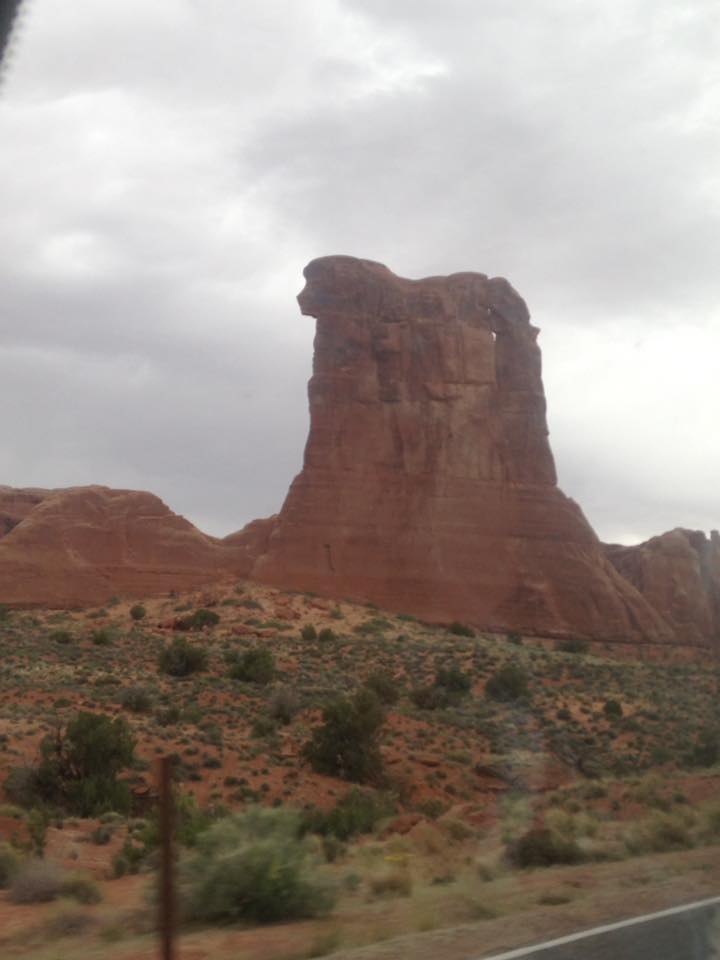
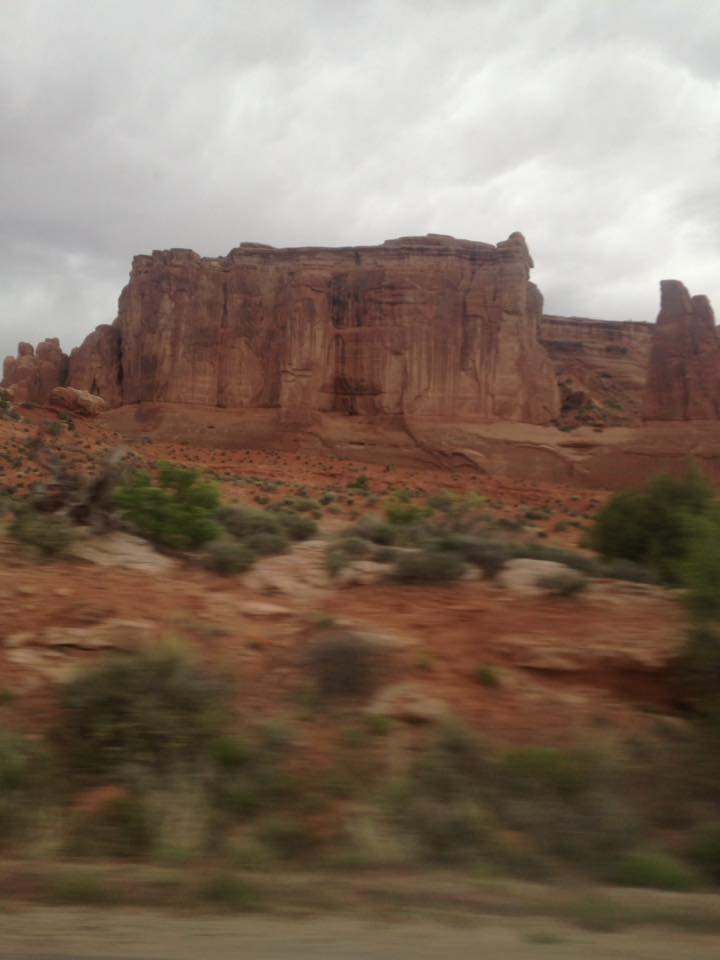
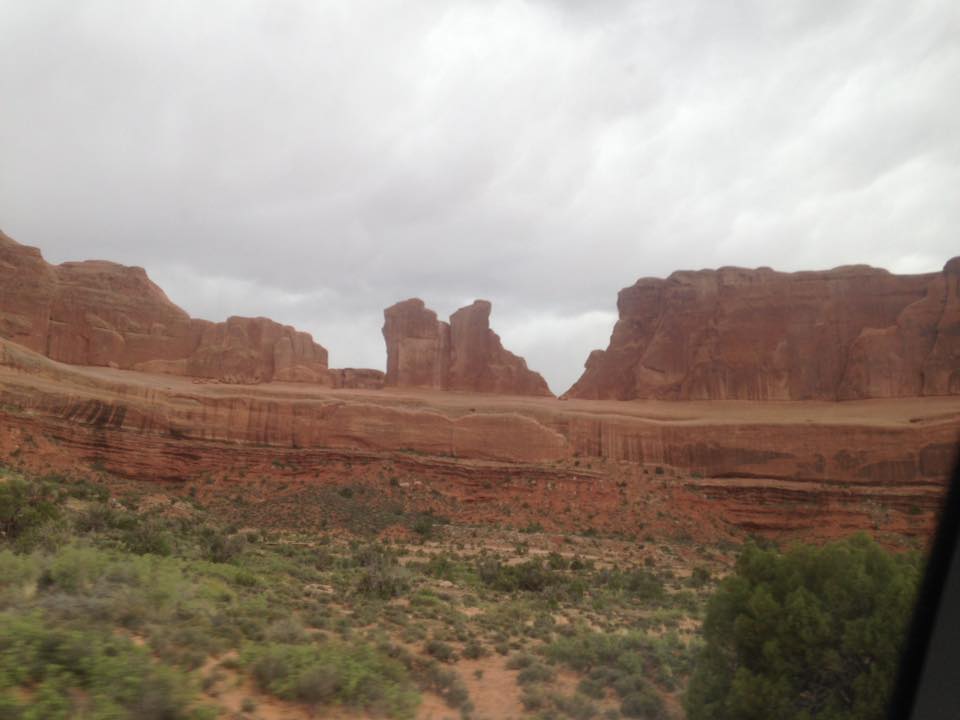
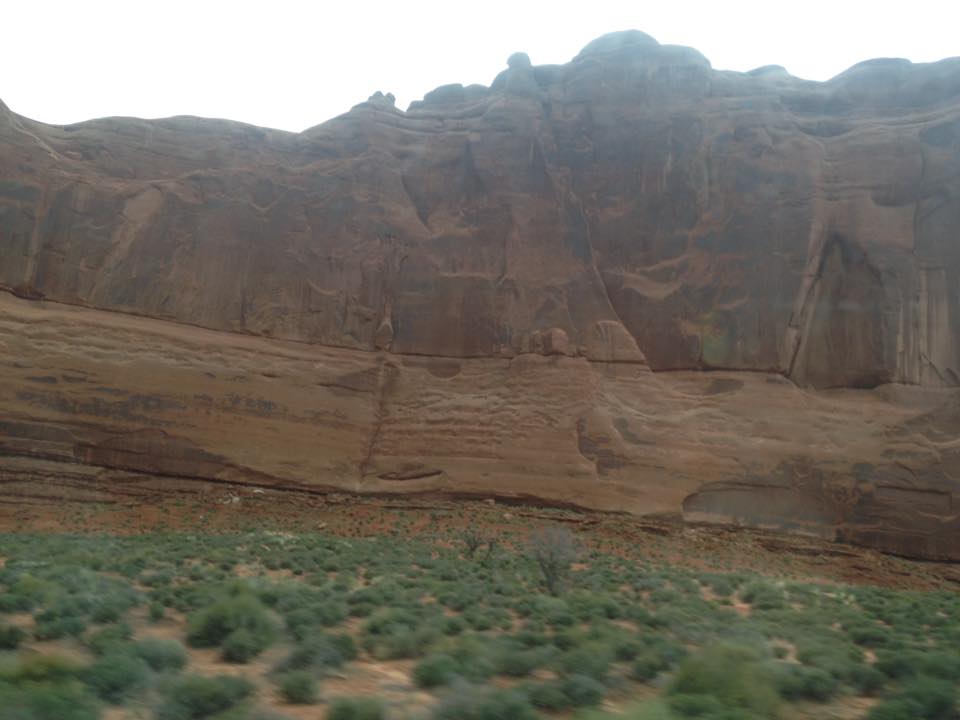
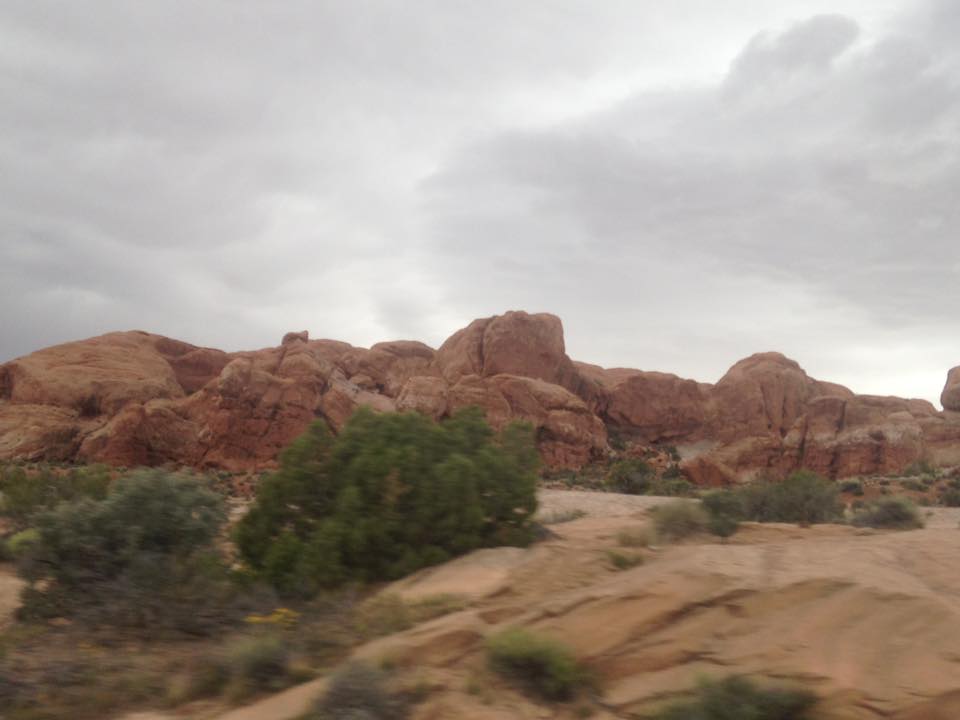
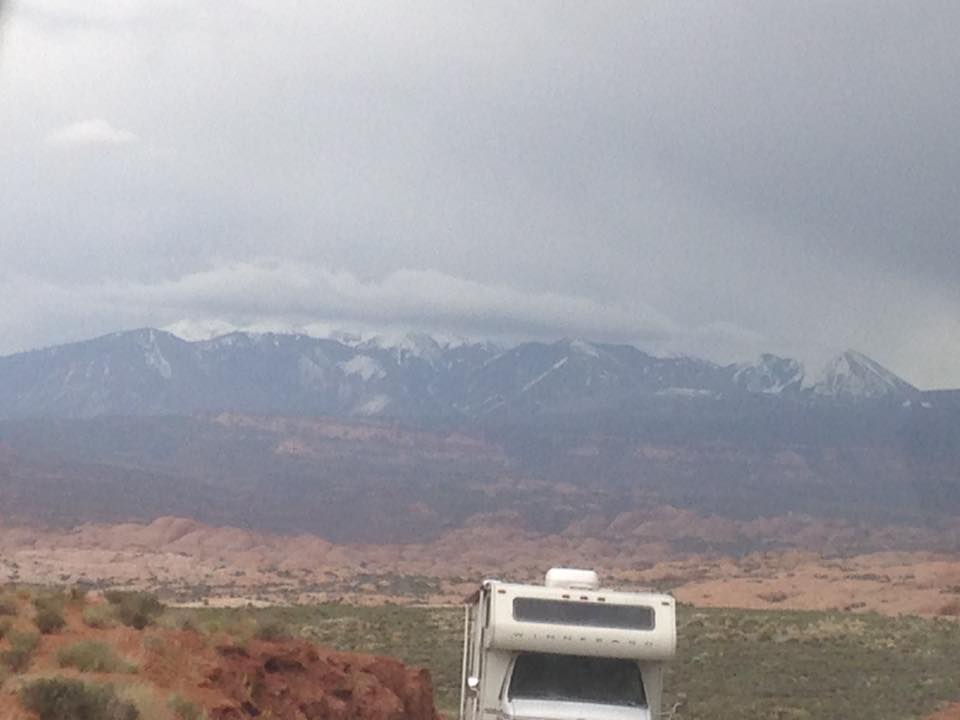
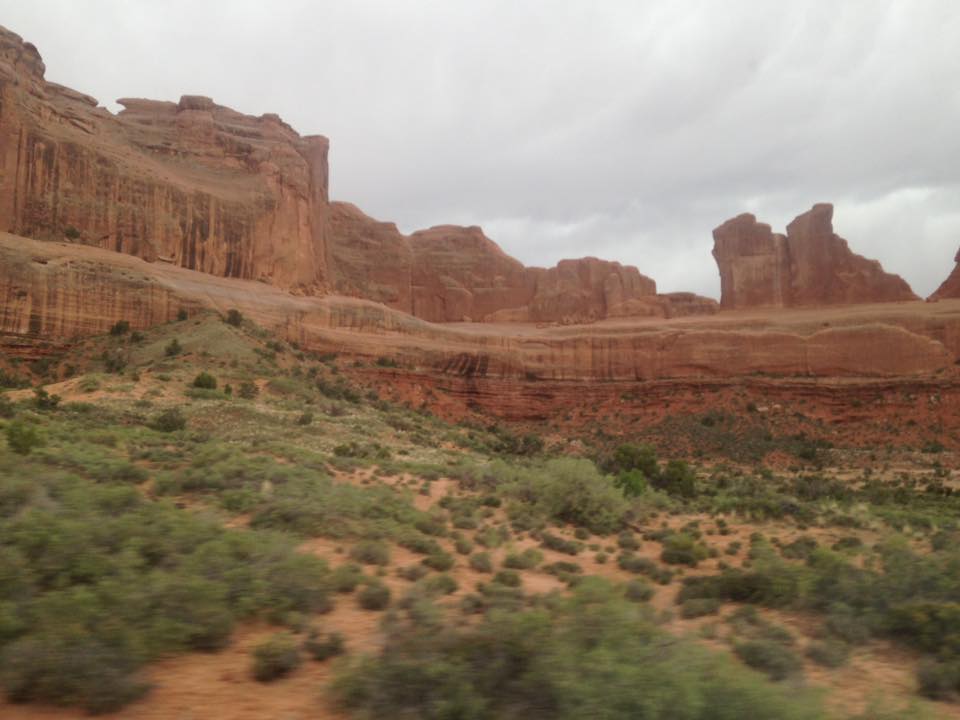
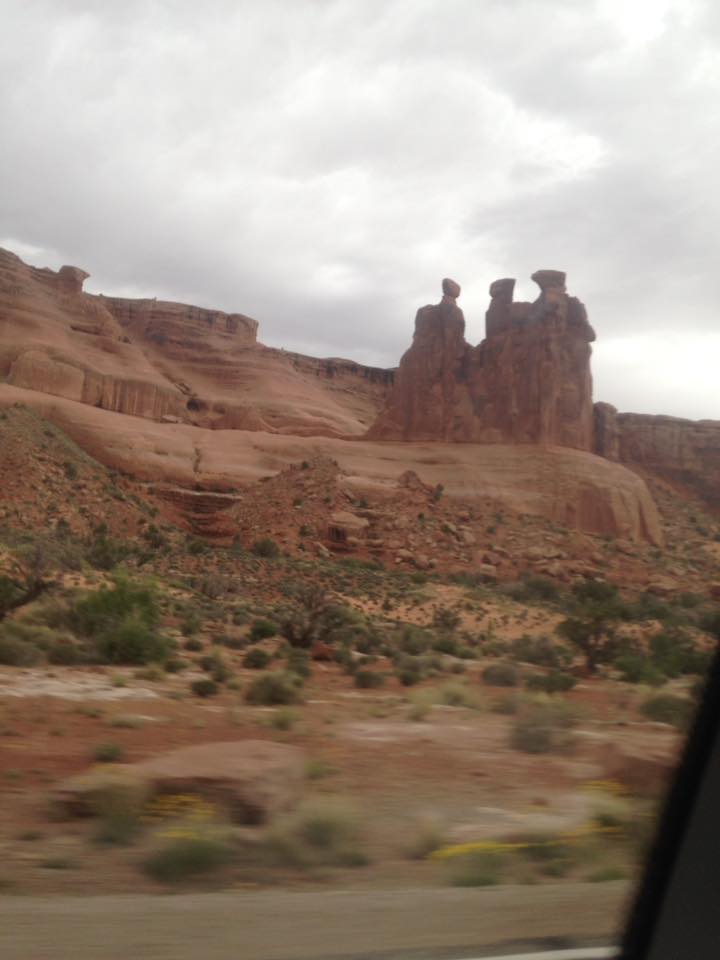
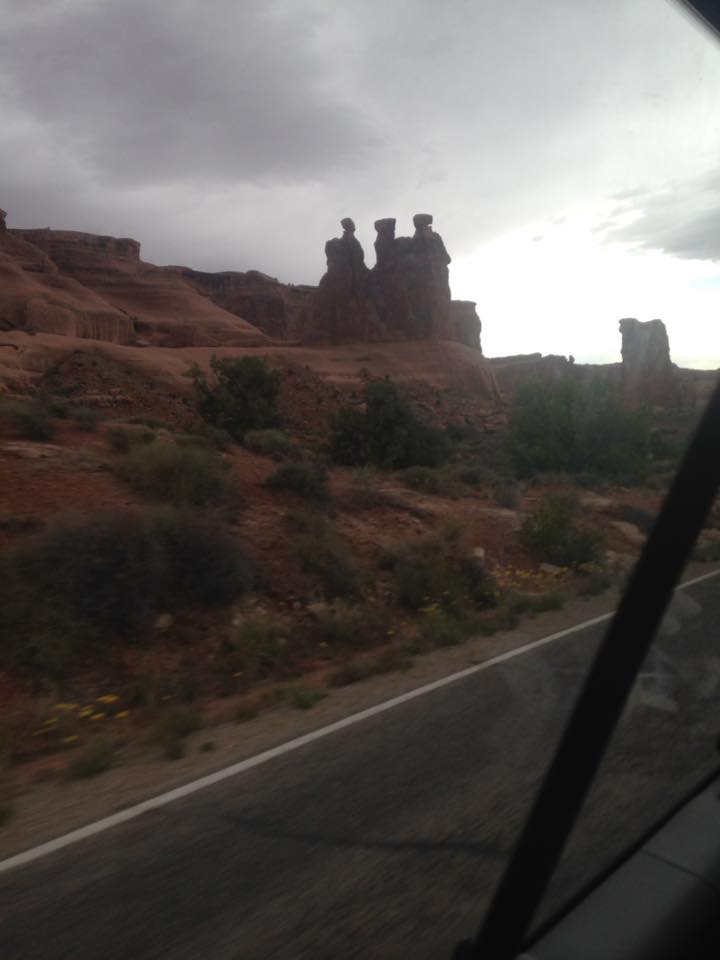
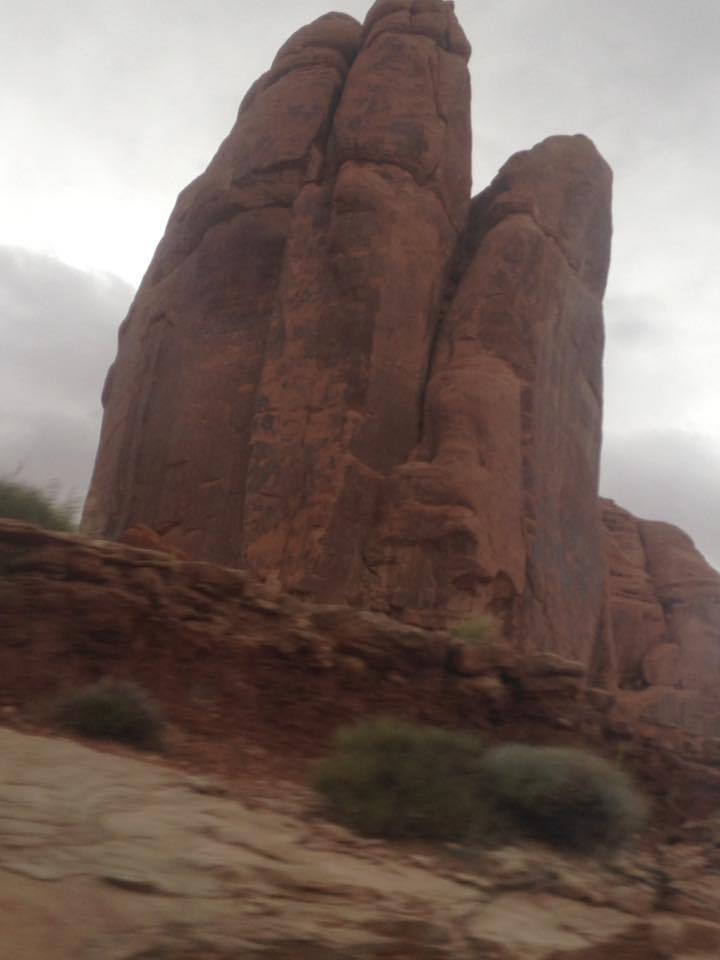
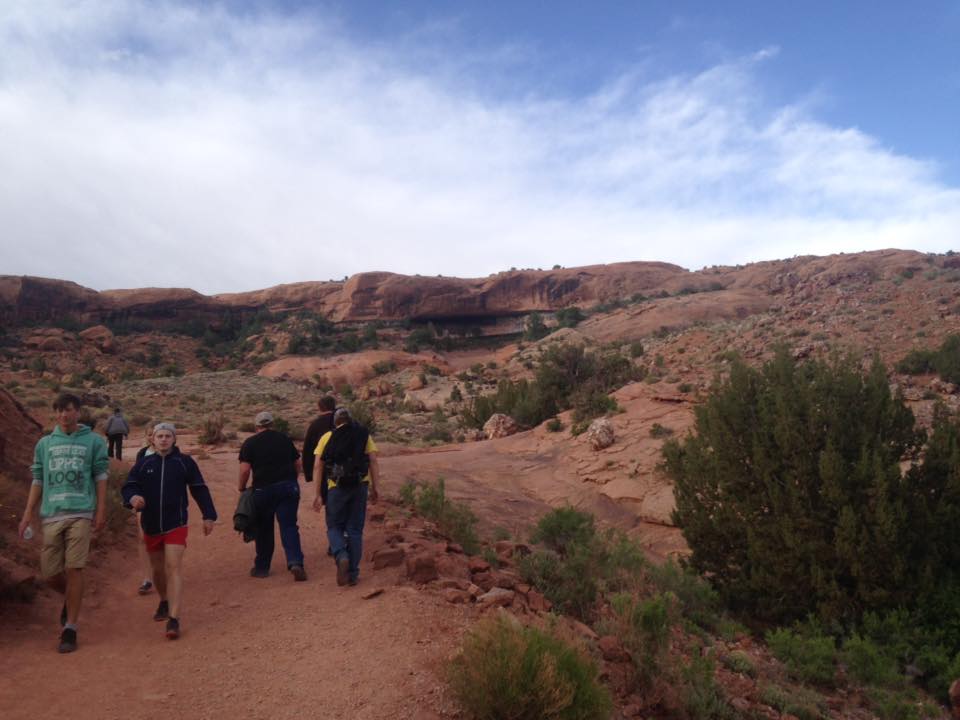
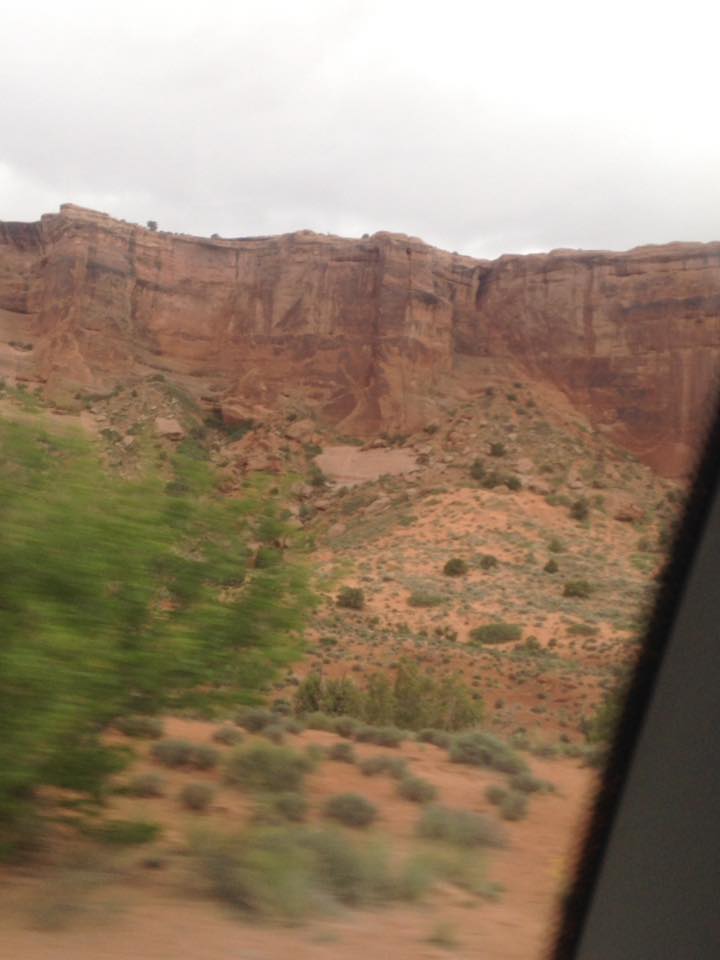
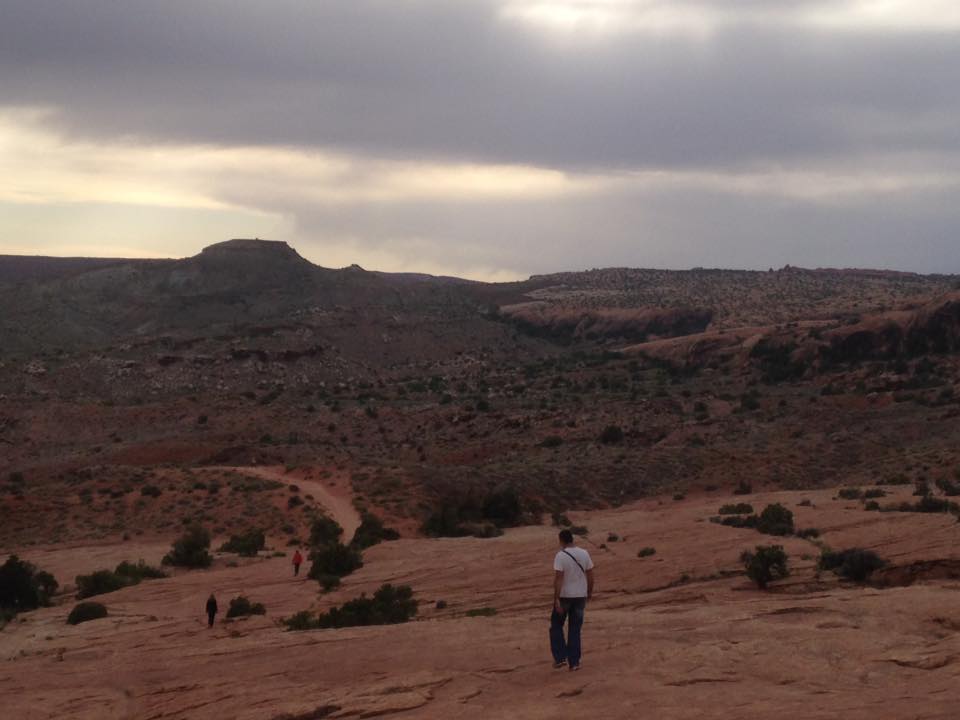
And then we parked and took pictures of our surroundings again (everything was so RED!!):
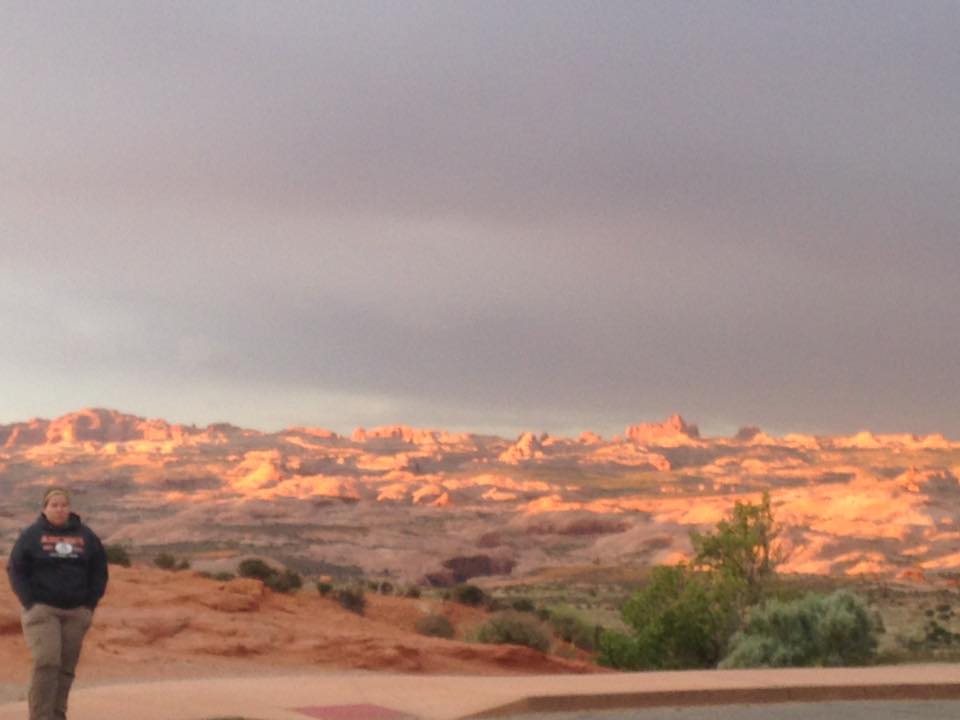
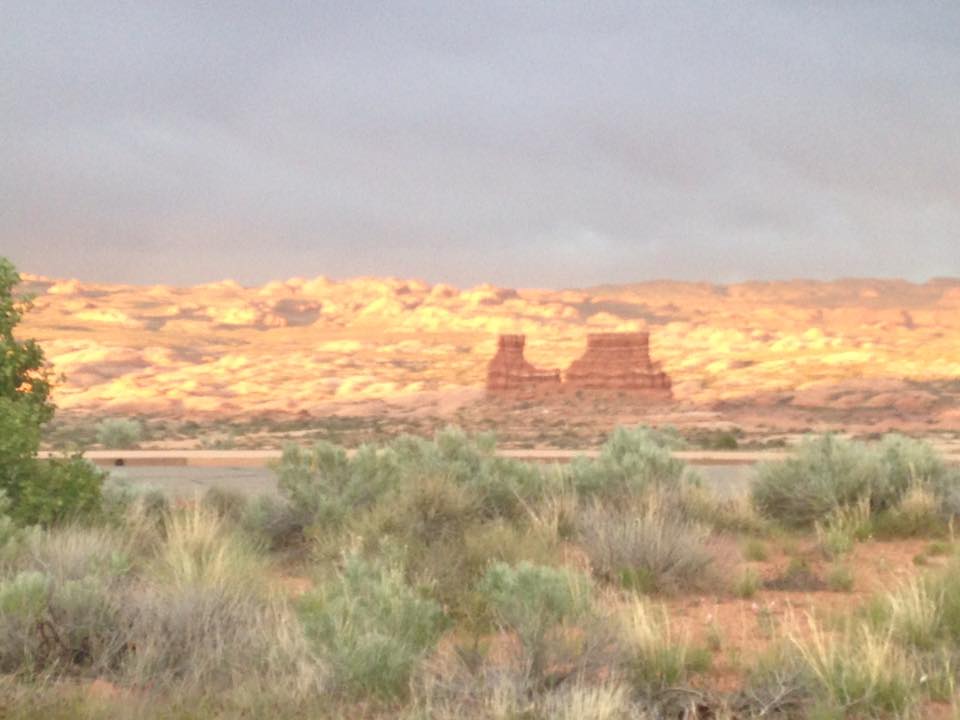
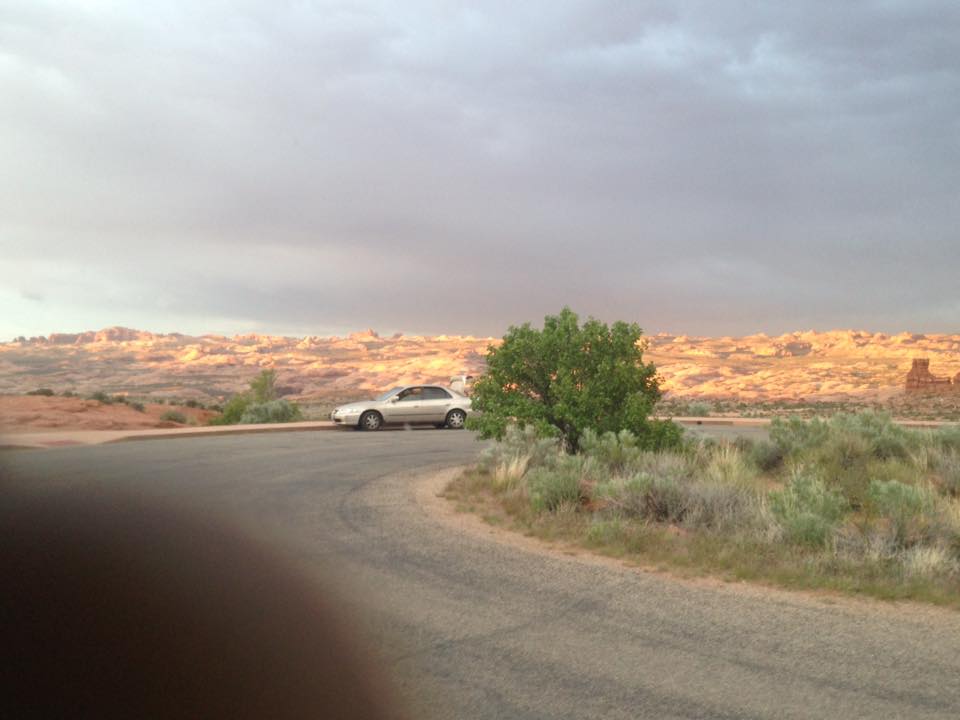
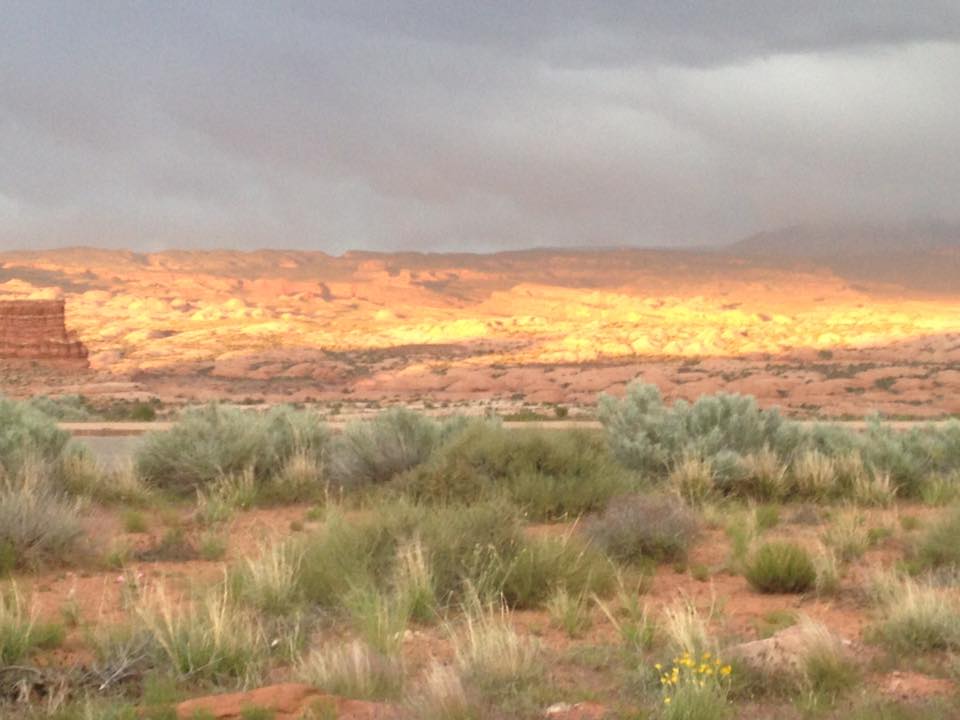

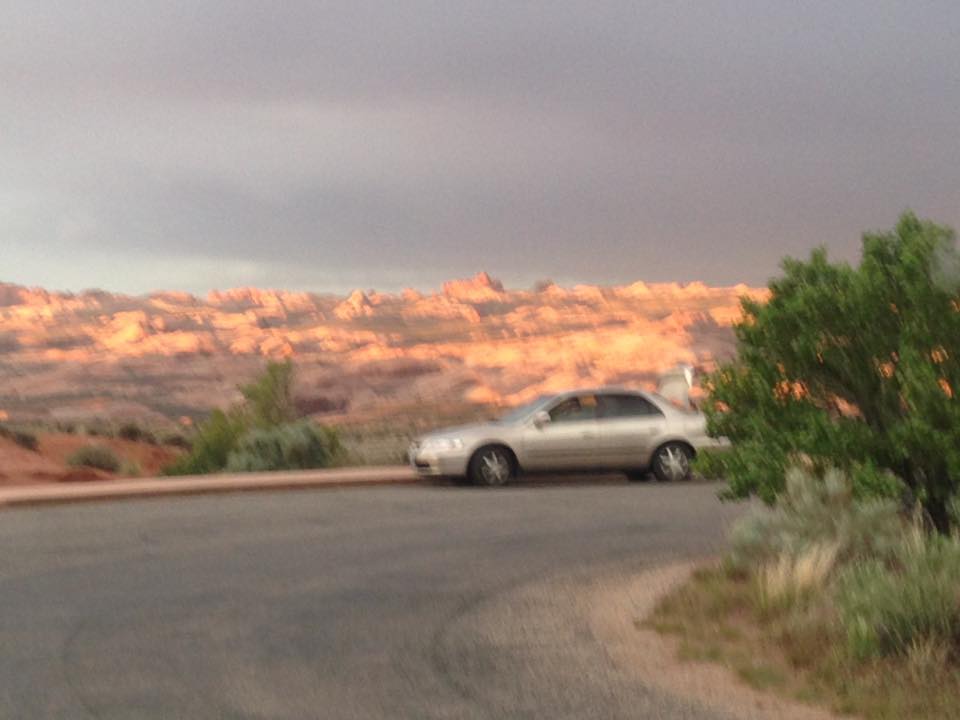
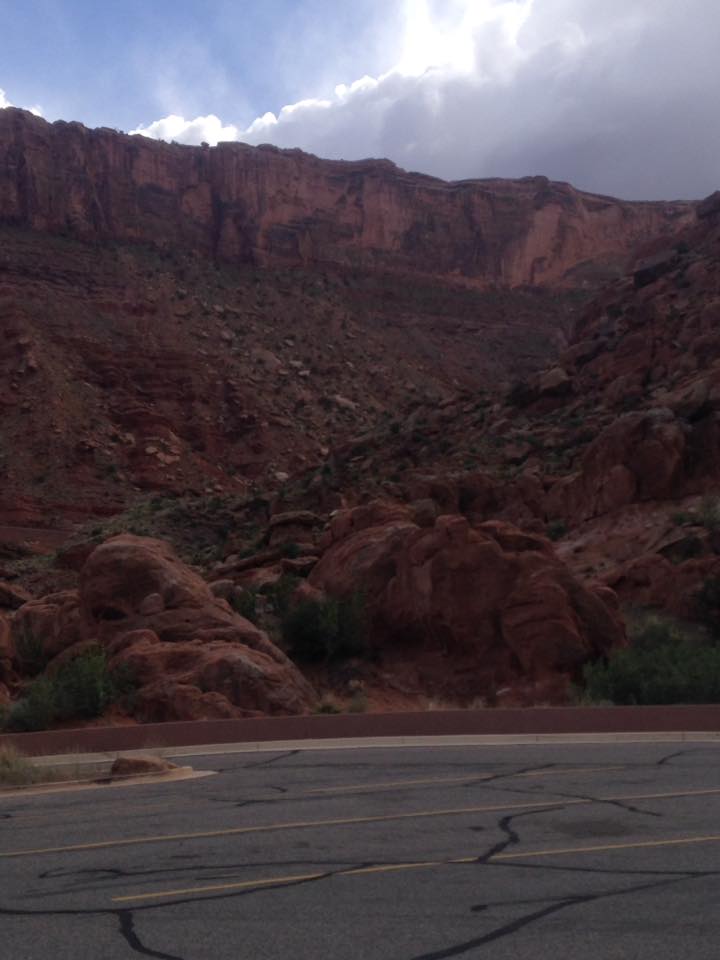
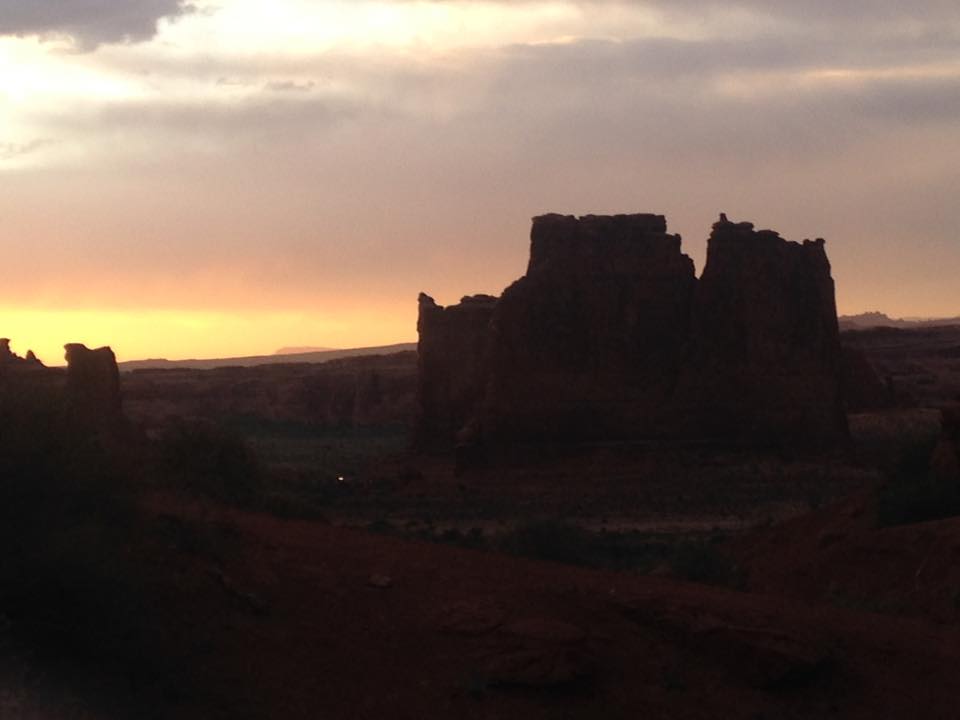
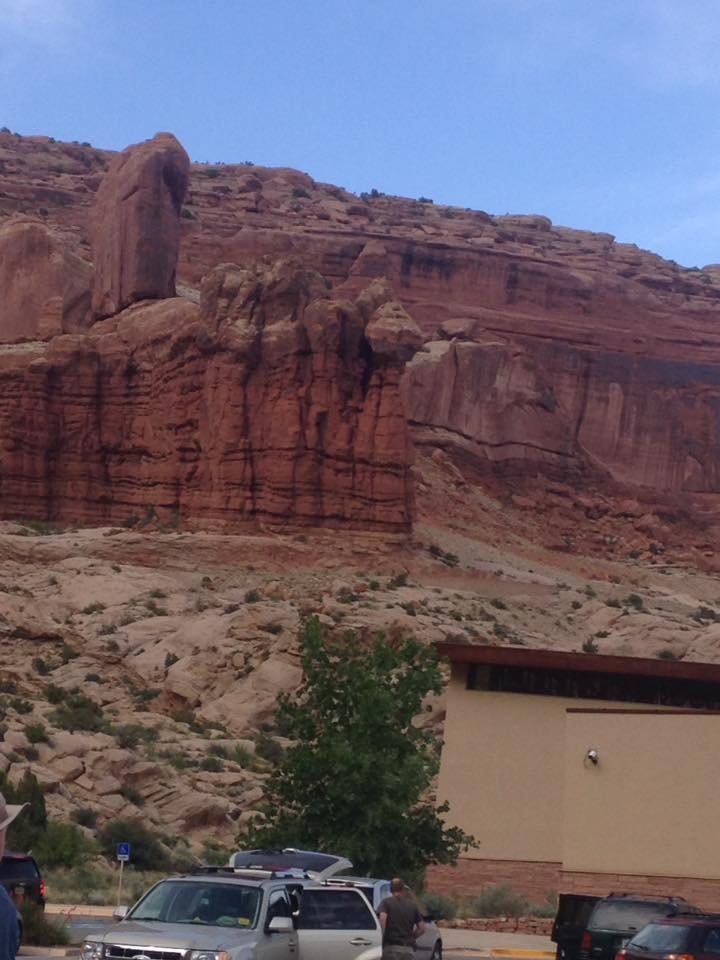
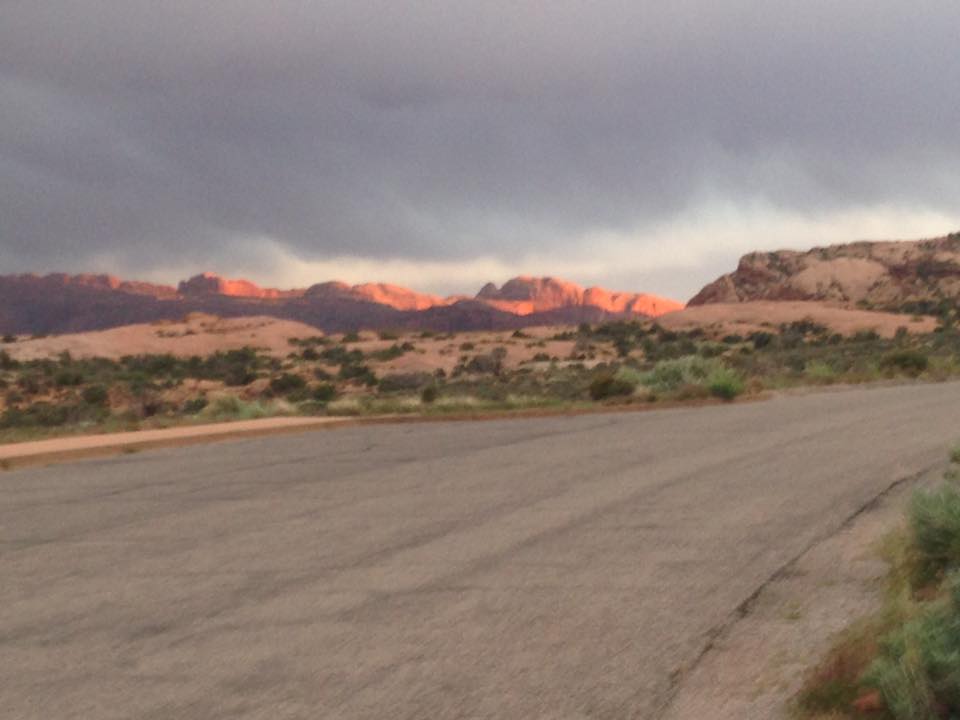
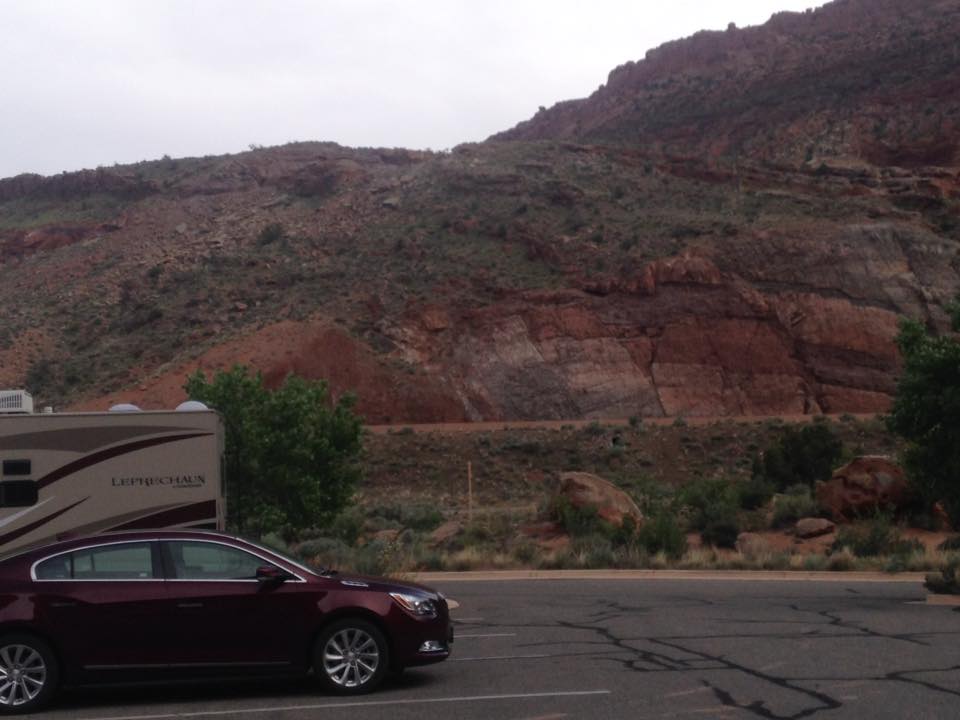
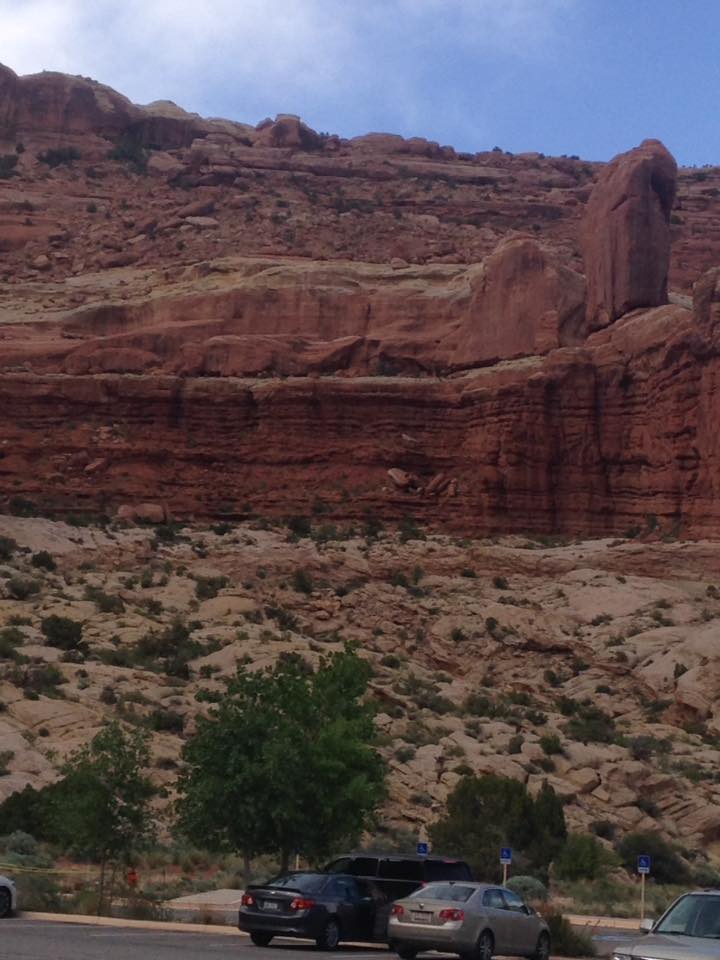
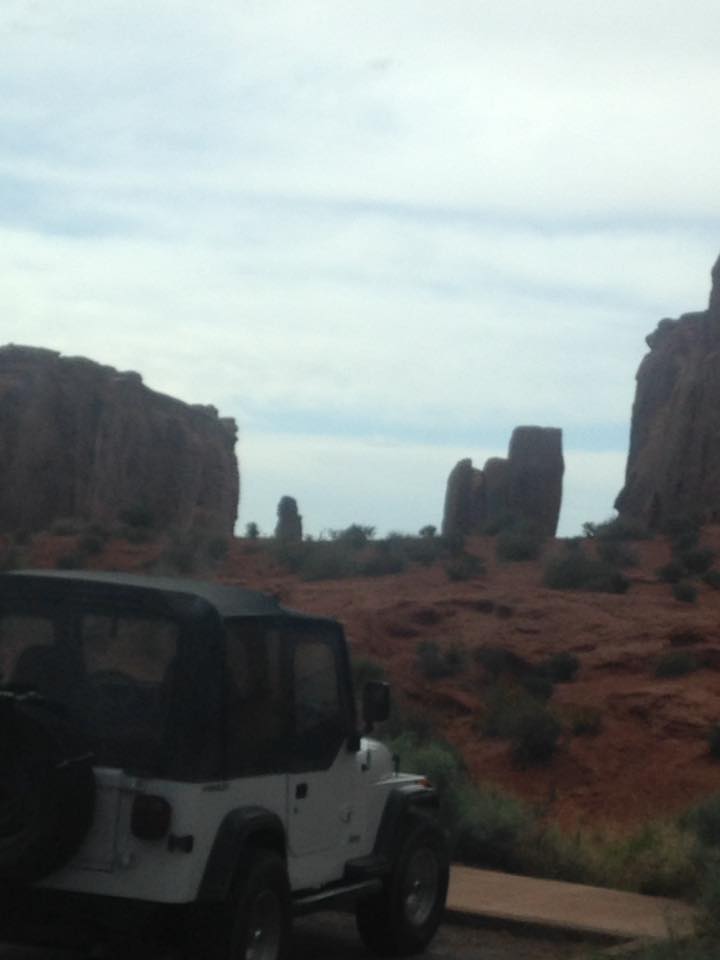
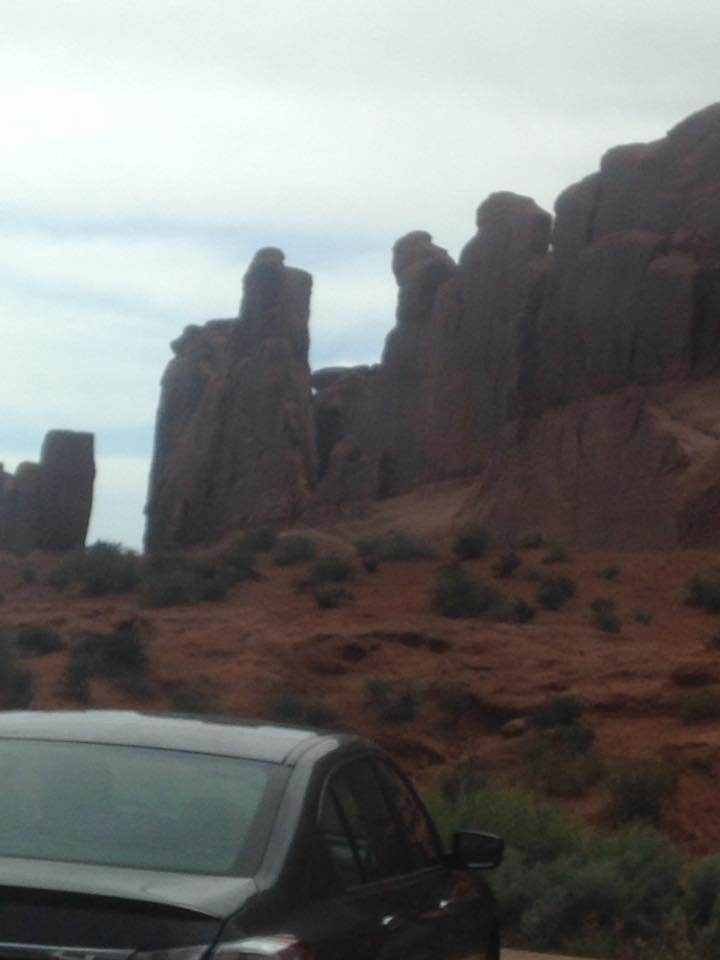
After this, we did the usual: we found our campsite, set up camp, and fell asleep. I’m not going to go into detail here because I didn’t document the end of this day very well and I don’t exactly remember everything that we did that night.
All I know is that we slept REALLY well after all of the hiking we did.
And there you guys go, I’m probably going to do something different next blog instead of a Utah entry, but we’ll see how things go. Catch you later!
-Rissy
 rissy stories
Leave a comment