Utah Trip (Day 13)
Saturday, 5/14/16: Colorado & Kansas 🙂
Hey guys, so here is Day 13 – the second-to-last travel entry 😦
Casey and I woke up at 6:15 to get showers on this morning. We only had enough quarters to take a 4-minute shower each, but Casey ended up deciding to just wash up a bit in the sink because we were going to be taking showers at a hotel in Kansas that night anyways – so I used her quarters and took an 8-minute shower. Yes, I know, I was spoiling myself. (BUT WE WERE SO EXCITED TO BE SPENDING THE NIGHT IN A HOTEL, I CAN’T EVEN BEGIN TO EXPLAIN THE EXCITEMENT.)
And can I please tell you – that shower in the morning just wasn’t enough. I barely got clean, and I was in there for a solid eight minutes, just scrubbing at my skin and my hair with soap and water. The dirt just wasn’t washing off, so I gave up and decided to wait until we got to the hotel to shower again.
We went back to camp and ate cereal for breakfast after spending like…half an hour in the bathroom.
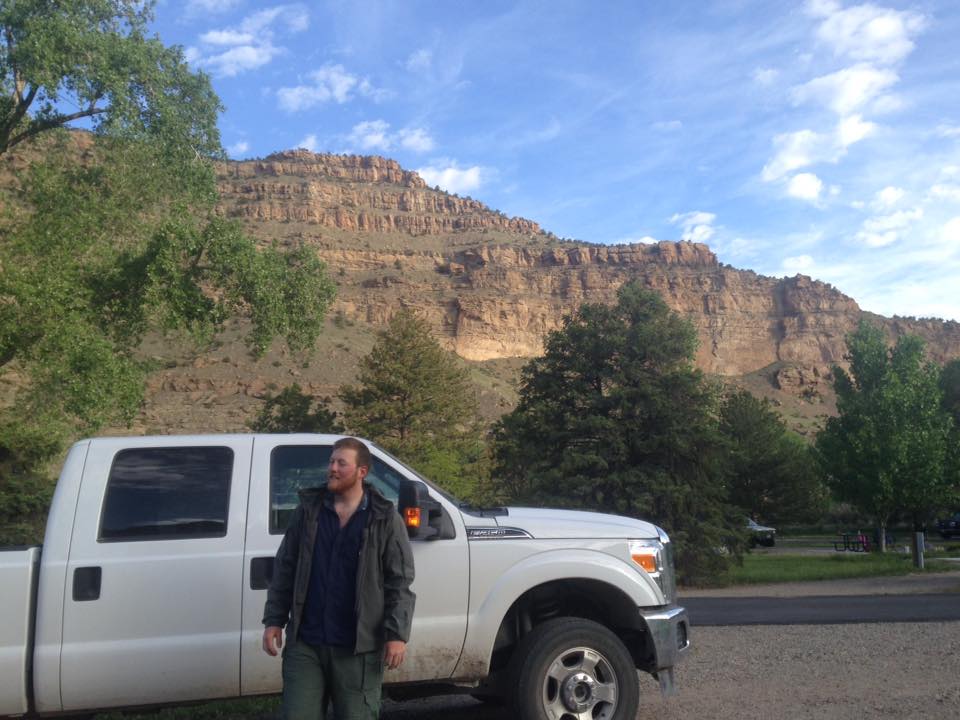
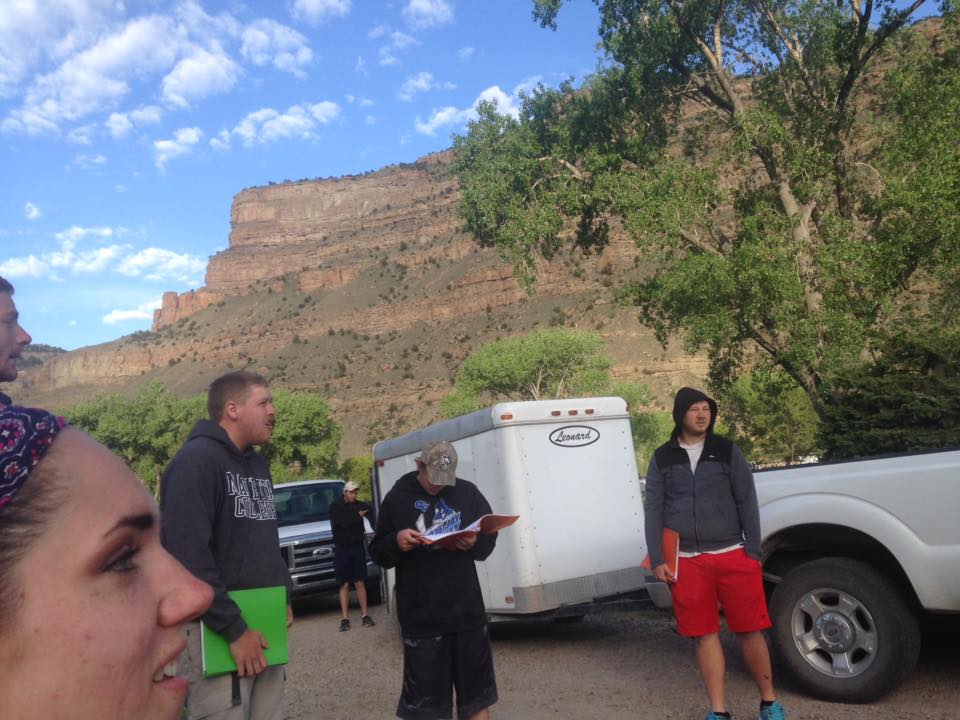
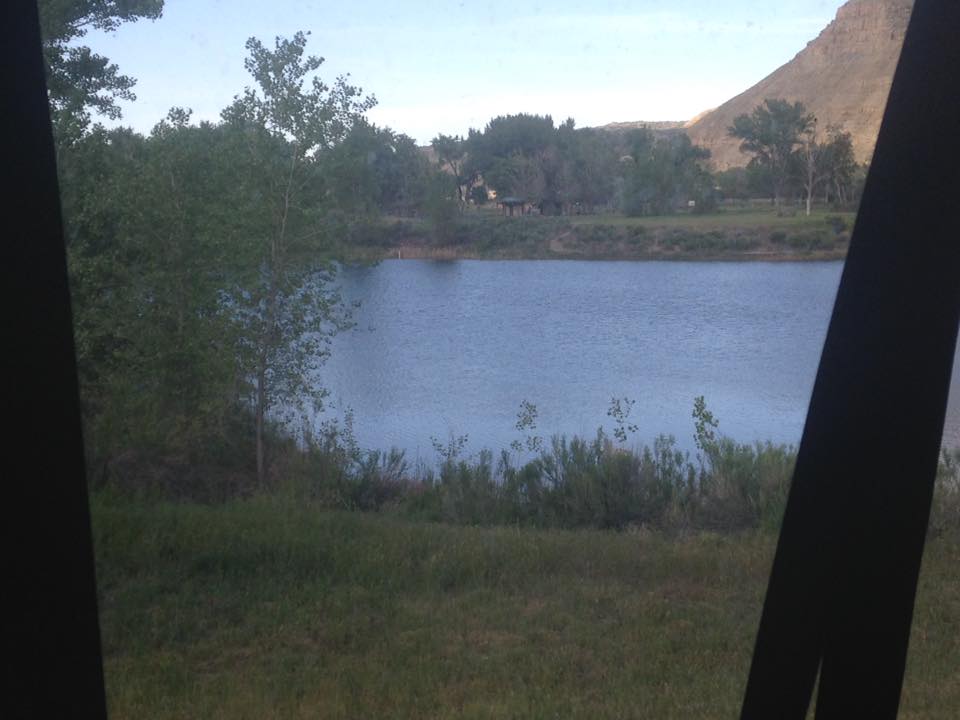
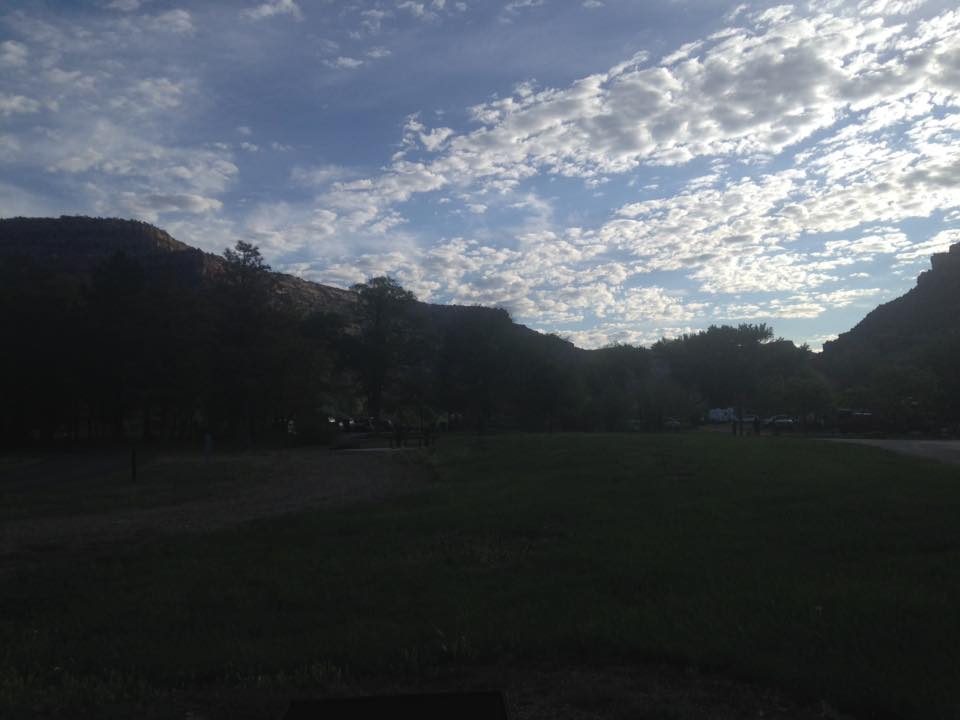
Then we headed out around 8 and passed by the Mesaverde Group and Green River. We also passed by the Paradox Basin.
And during this car ride, I was also catching up on what I wrote about the Dotsero Volcano – because we were going to be passing it on this day and I would have to give my lecture on what I researched about it.
But the first place we visited was Glenwood Springs (taken directly from my notes and one of my classmate’s research):
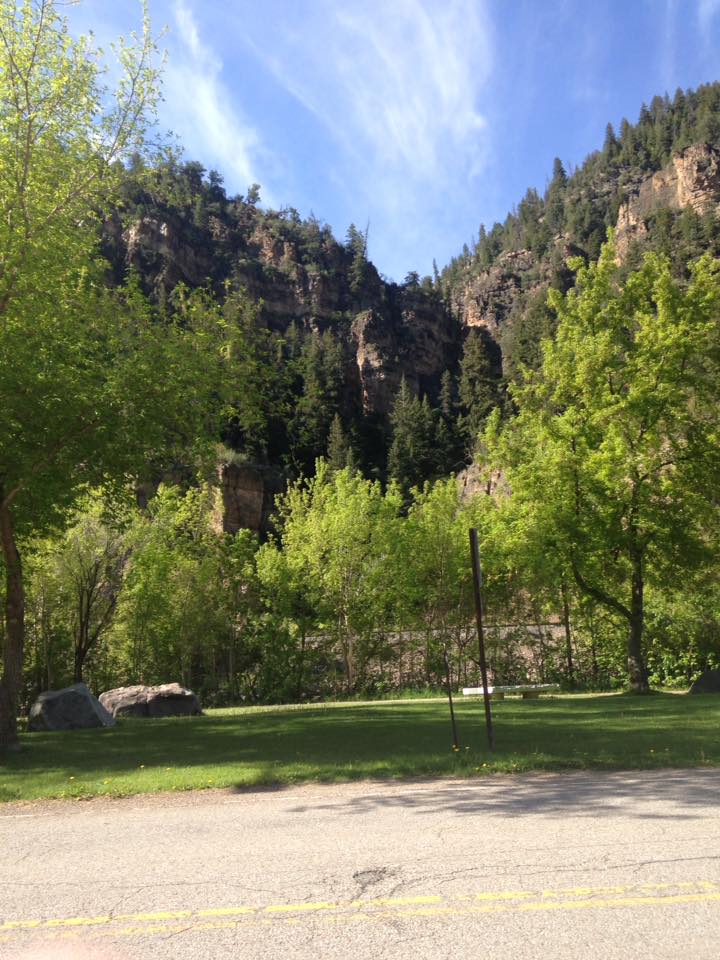
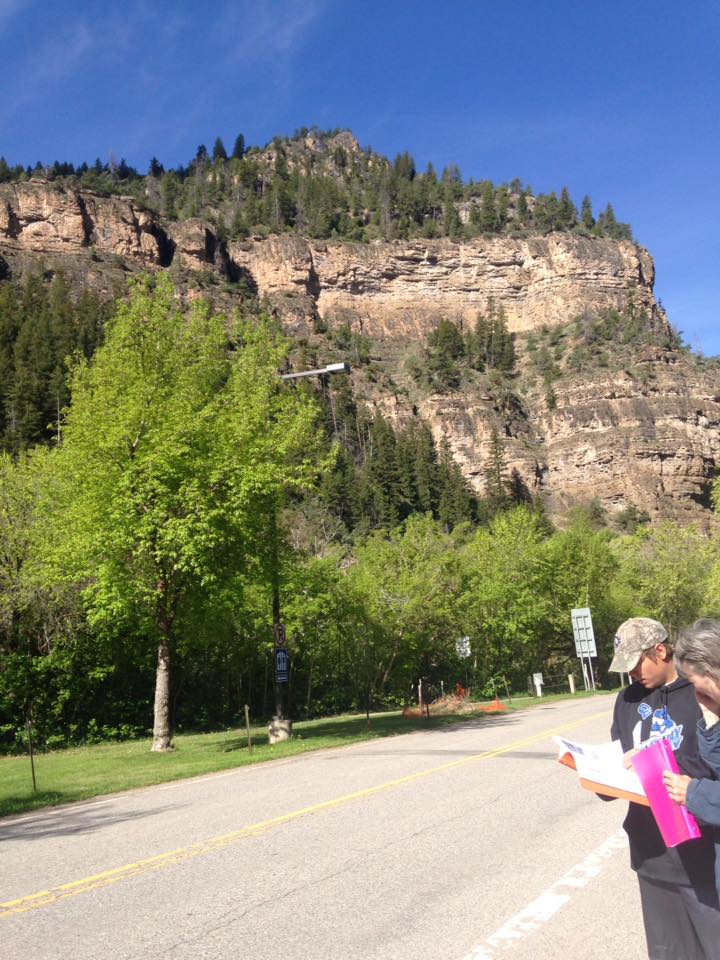
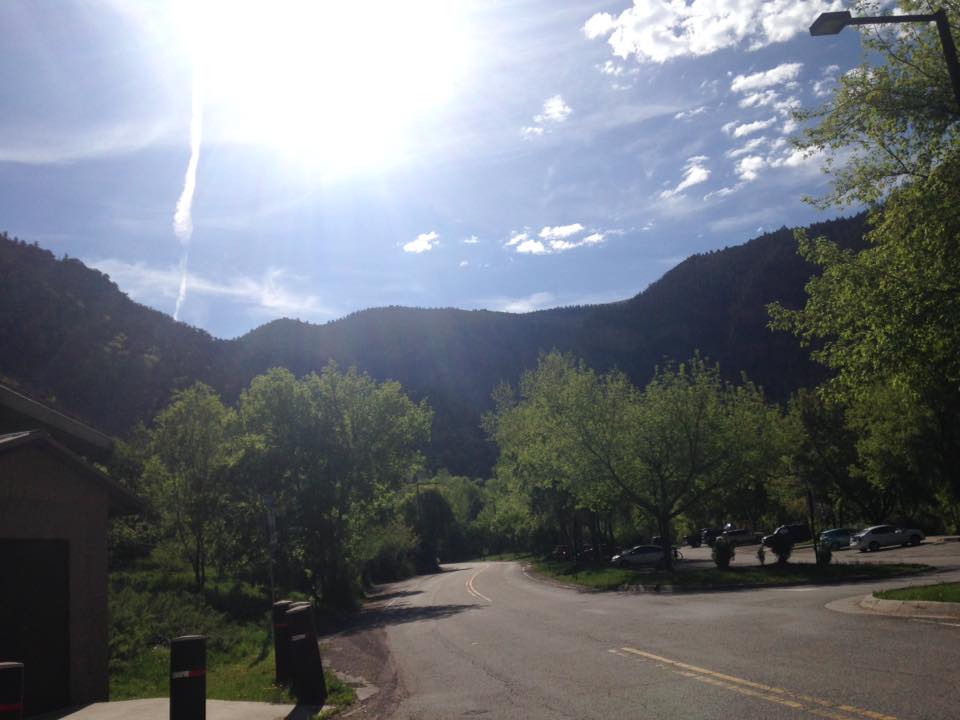
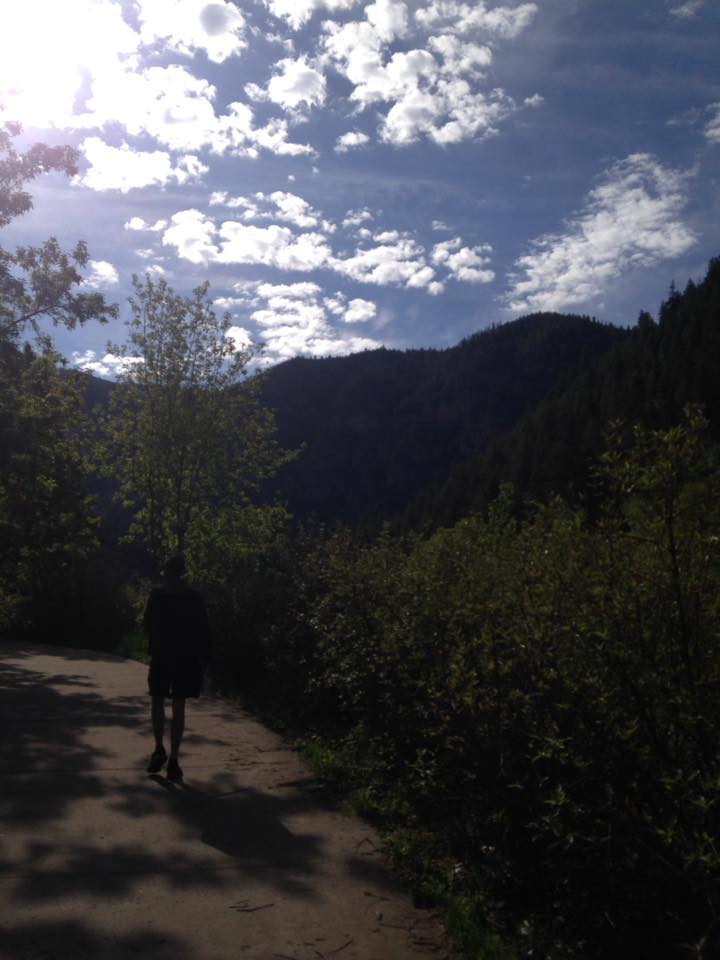
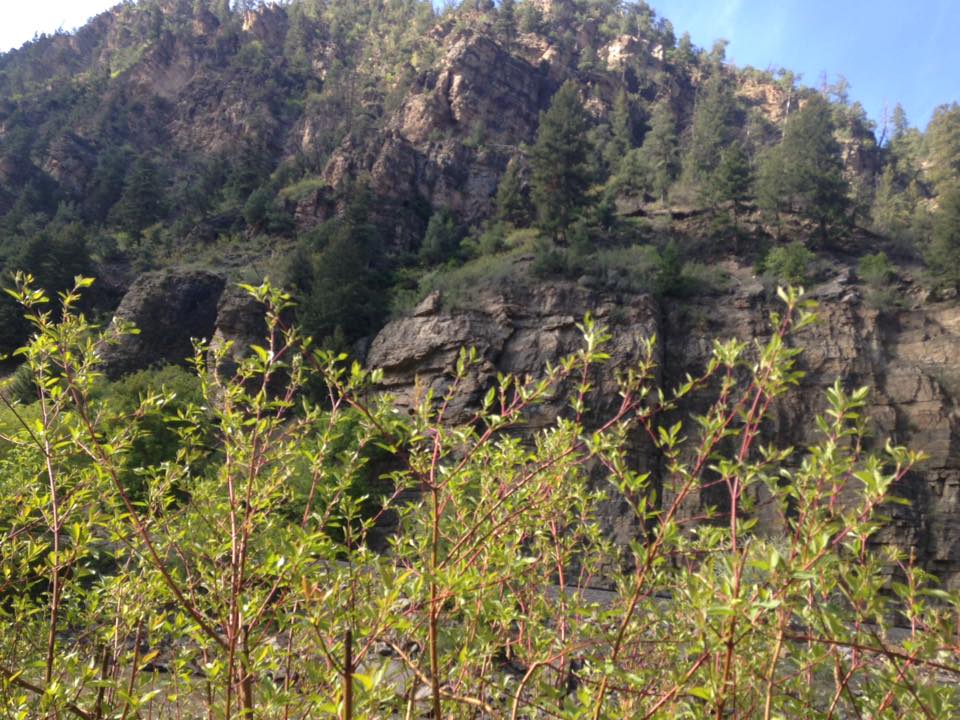
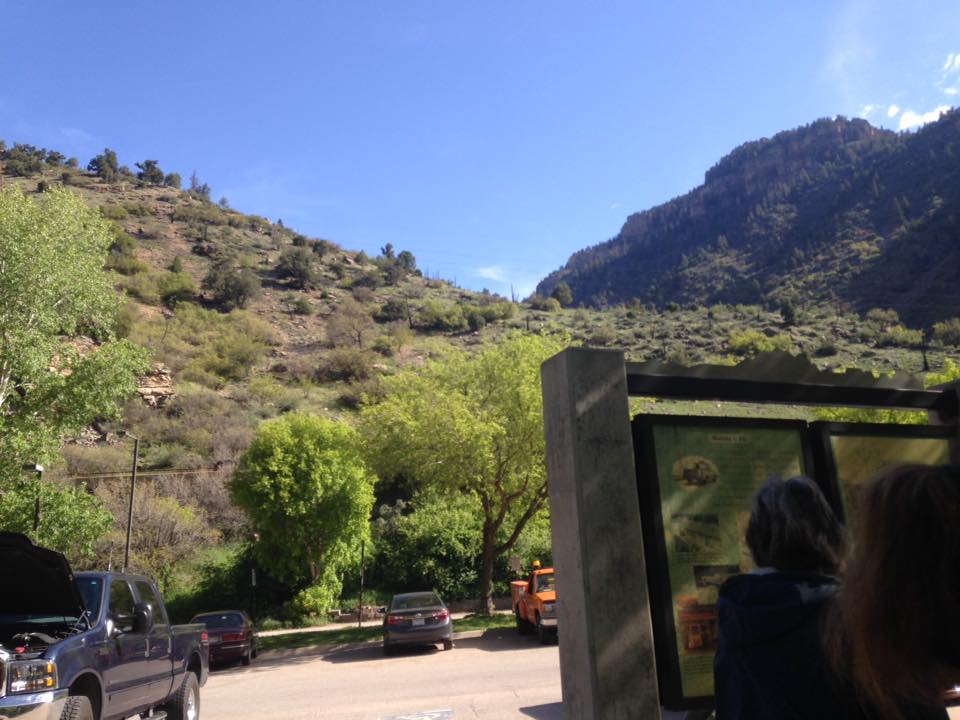
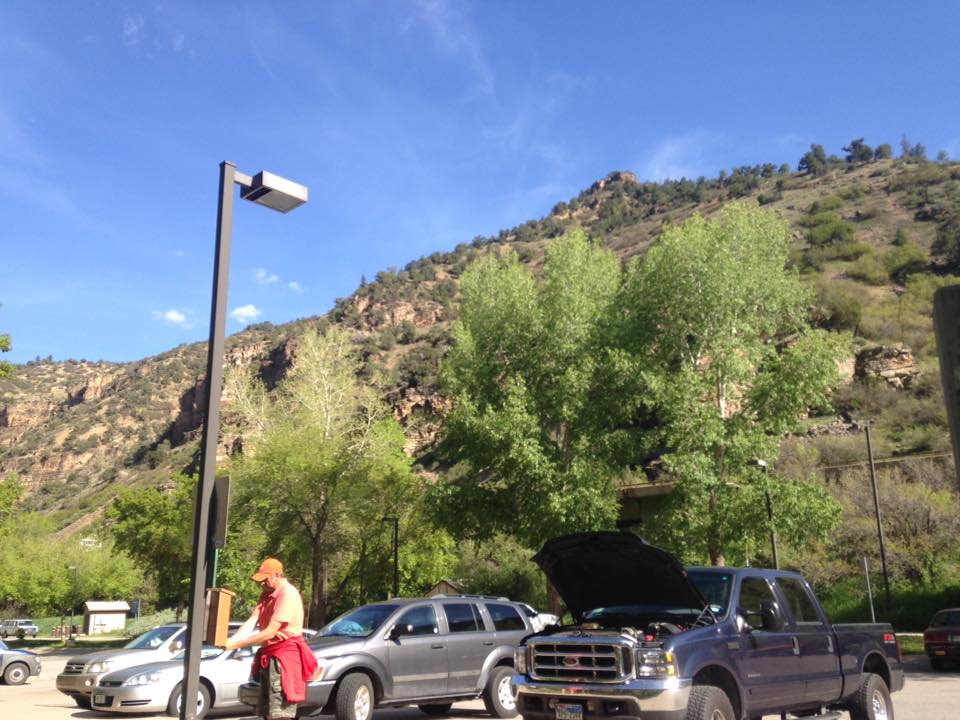
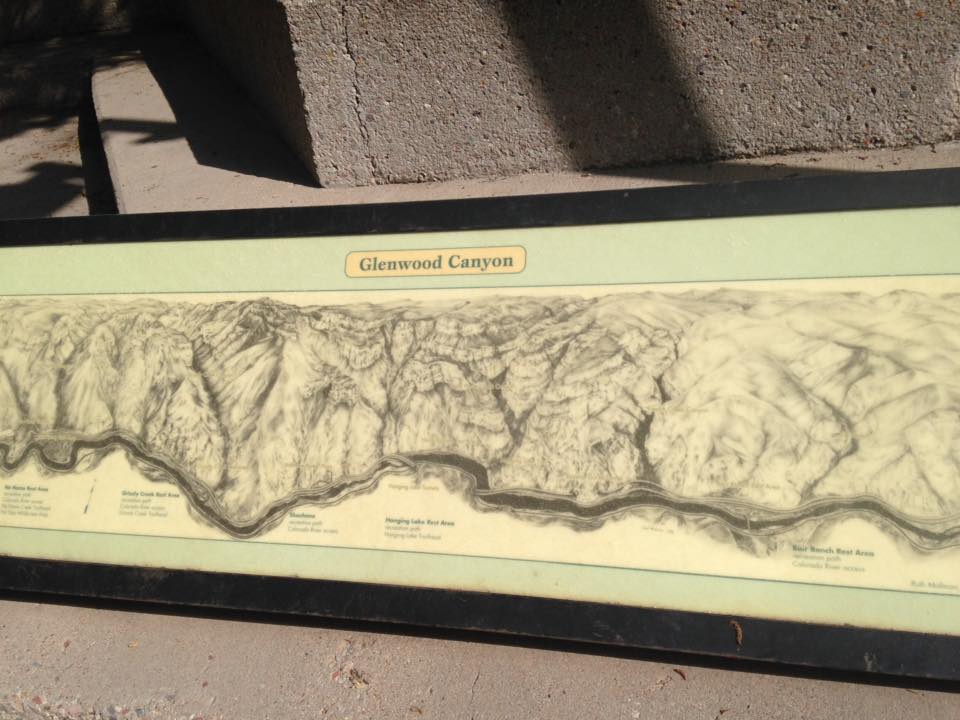
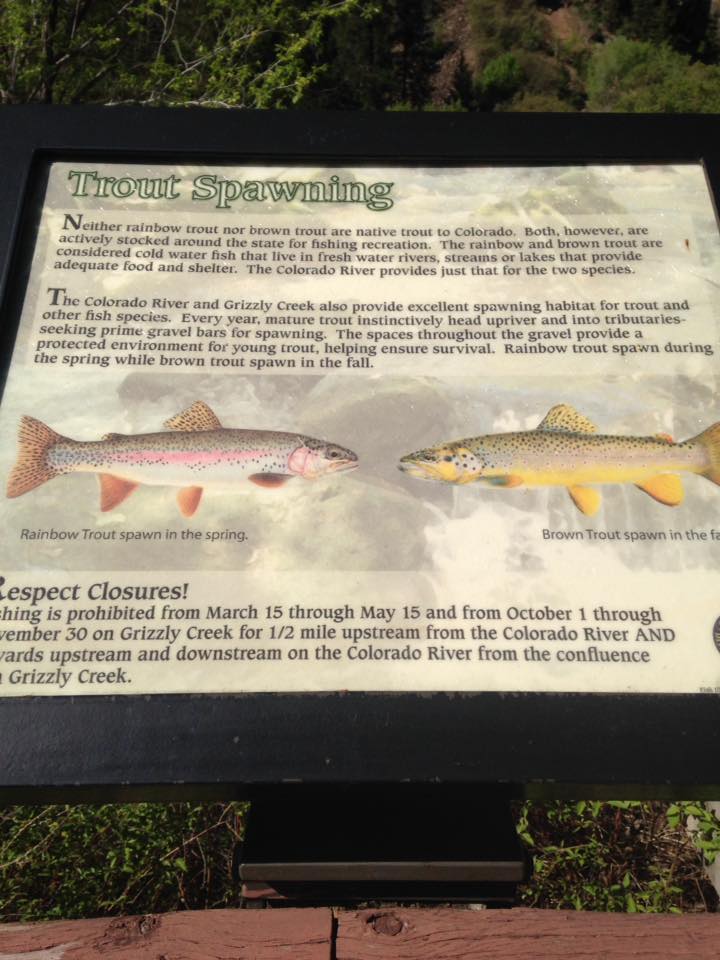
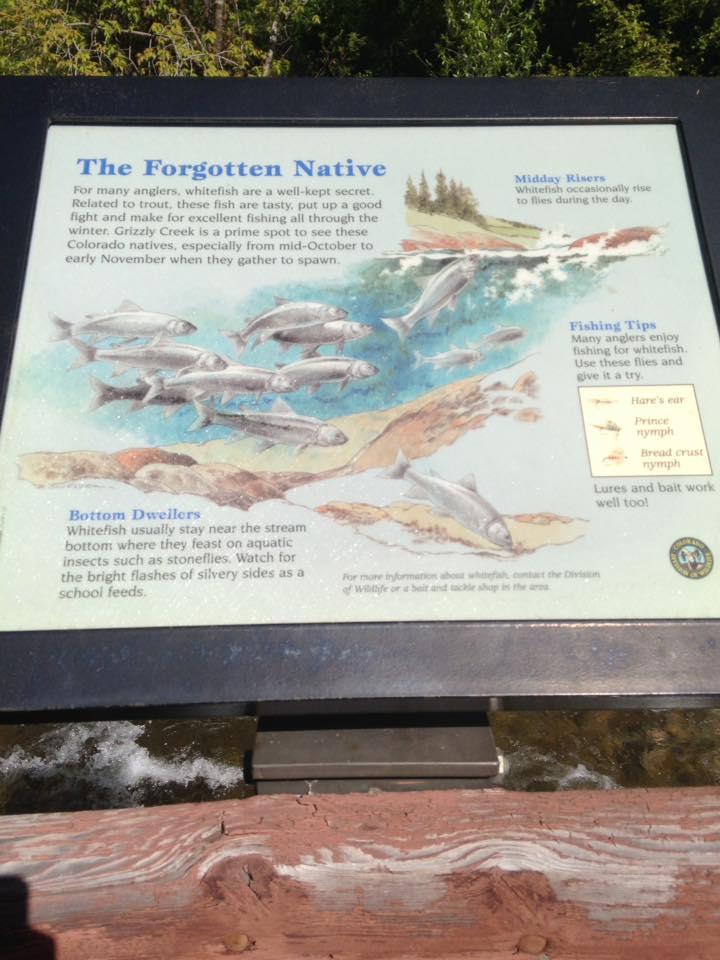
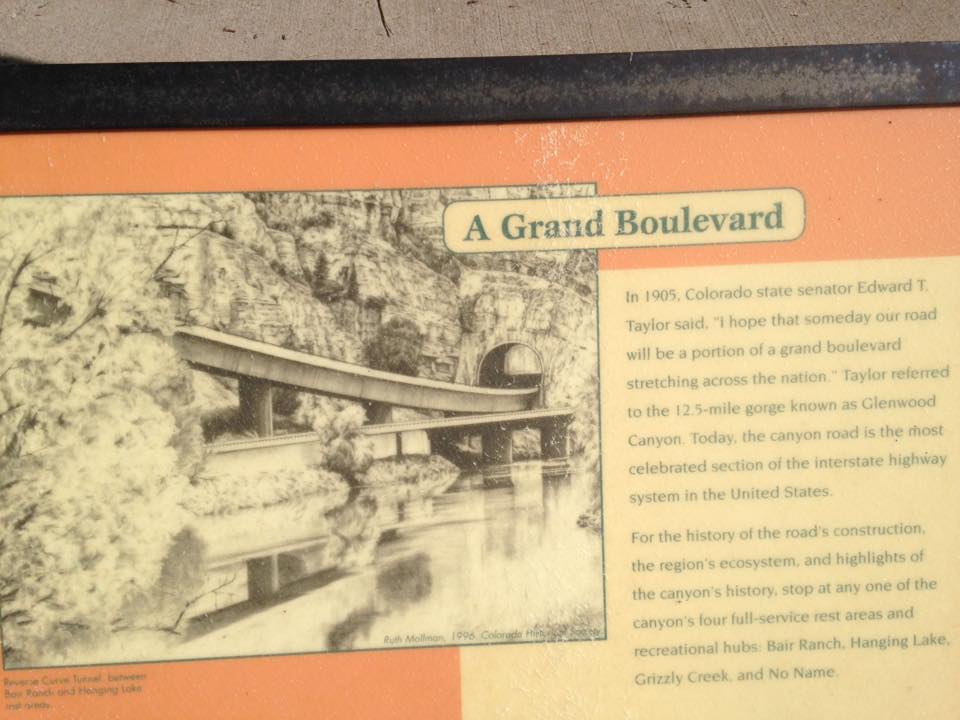
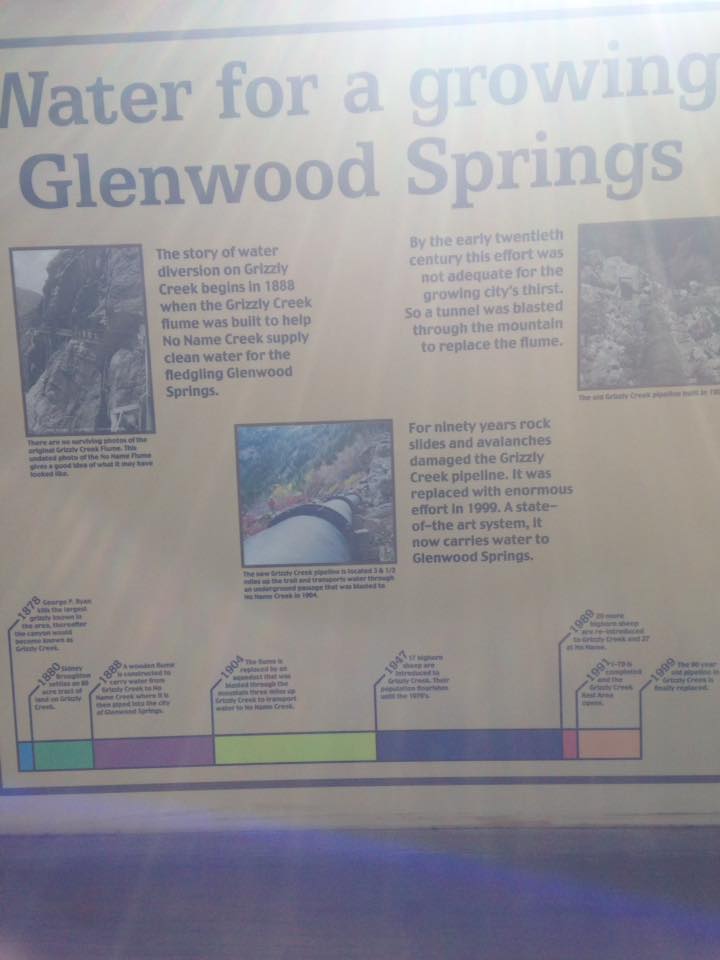
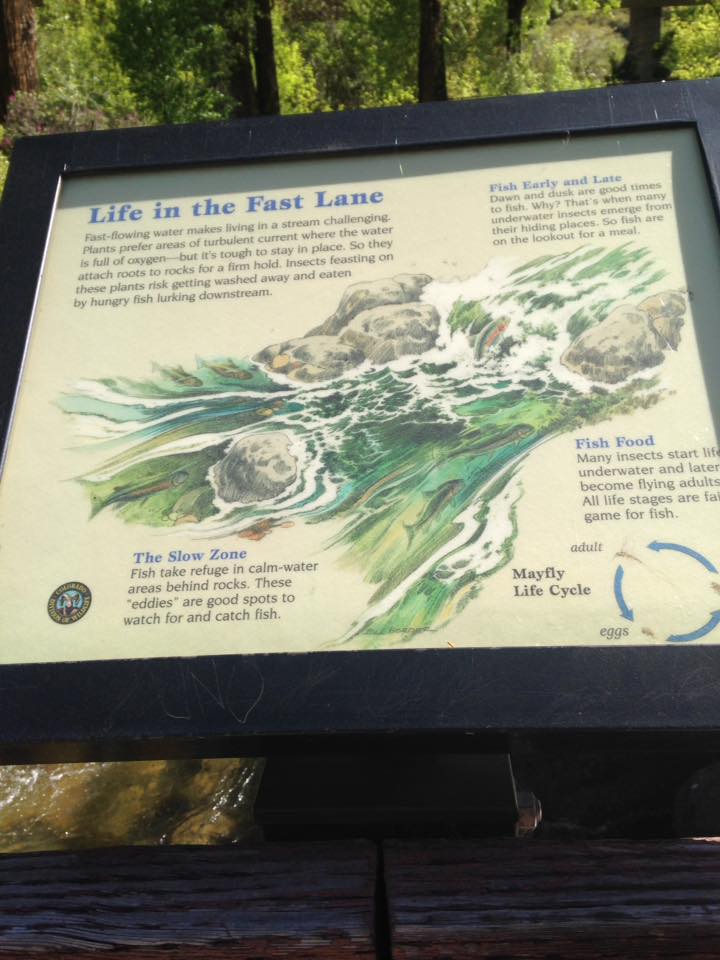
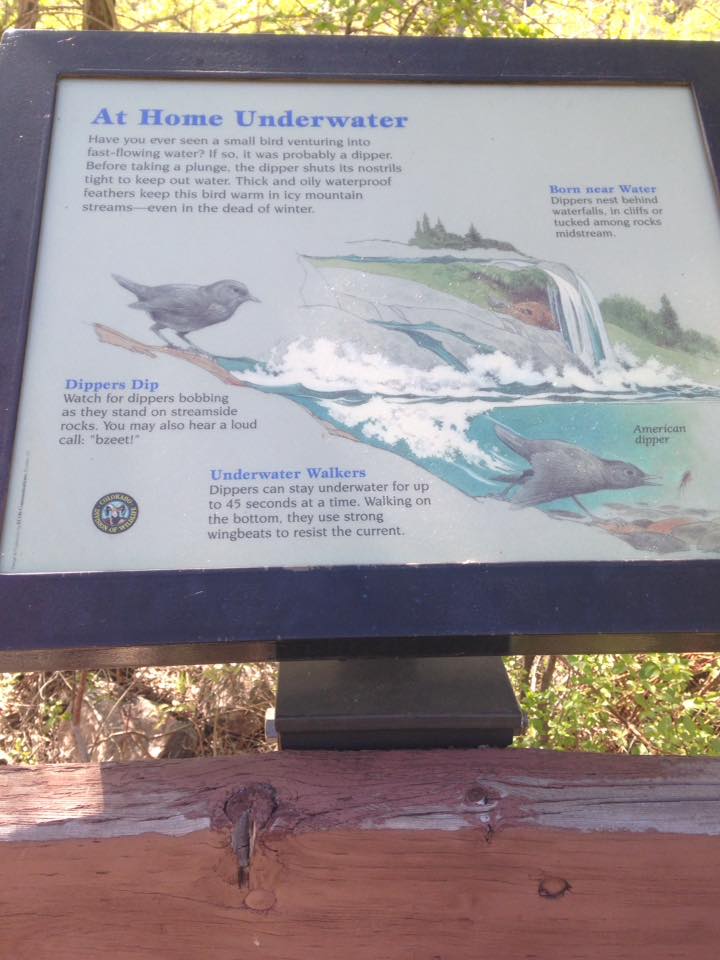

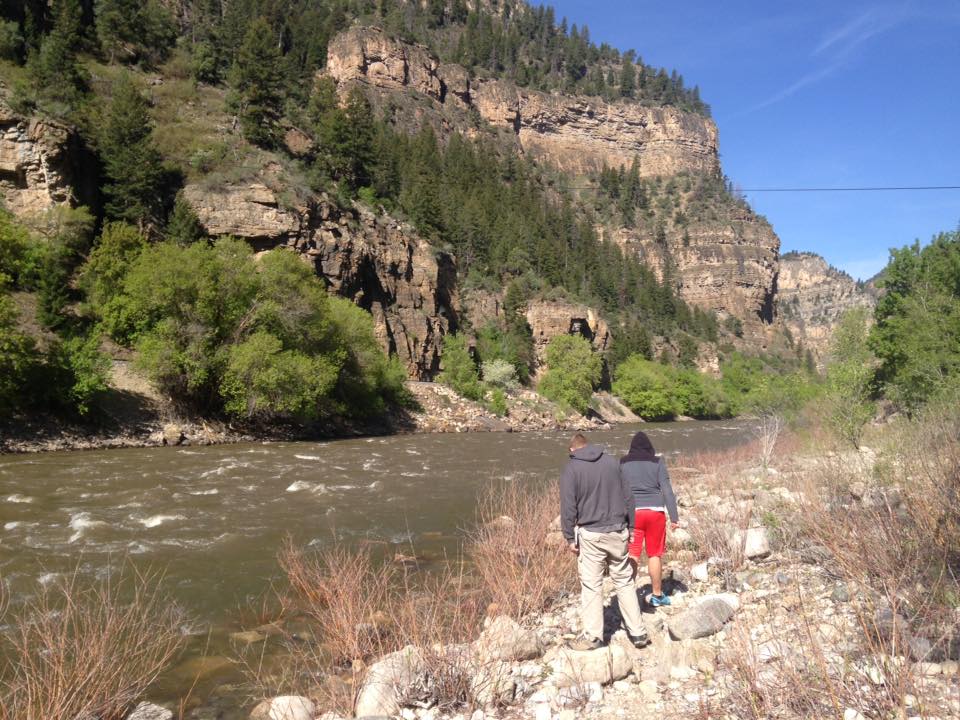
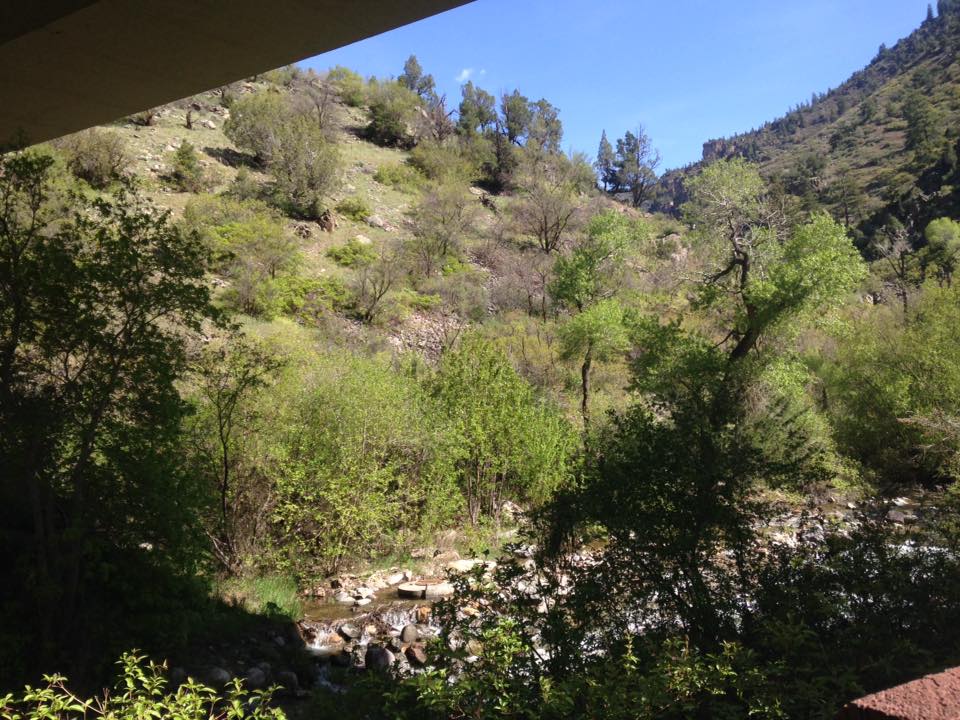
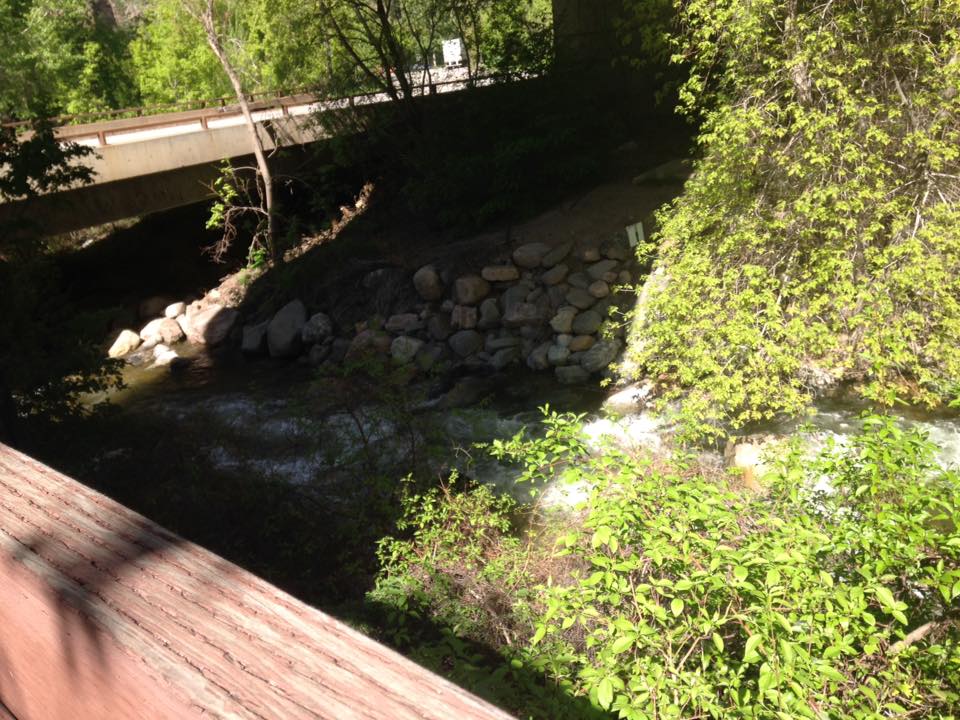
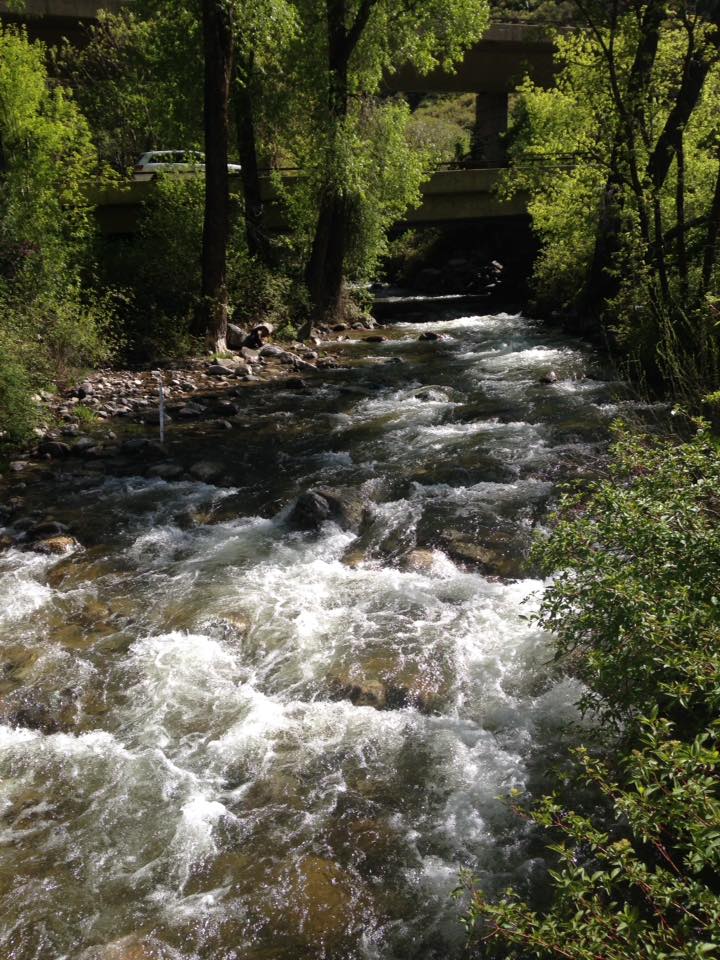
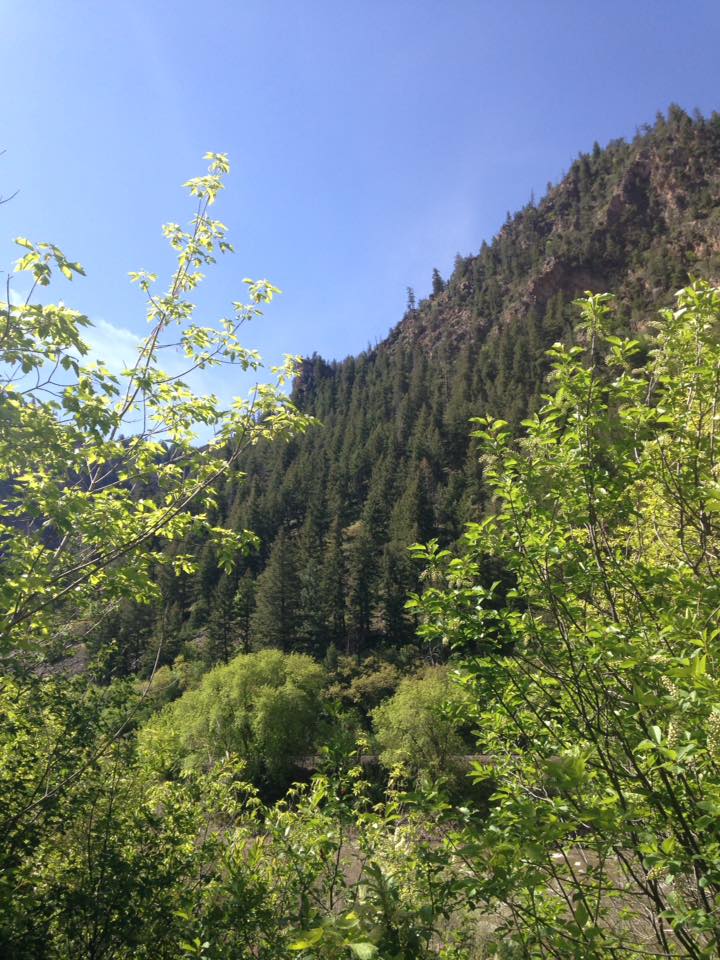
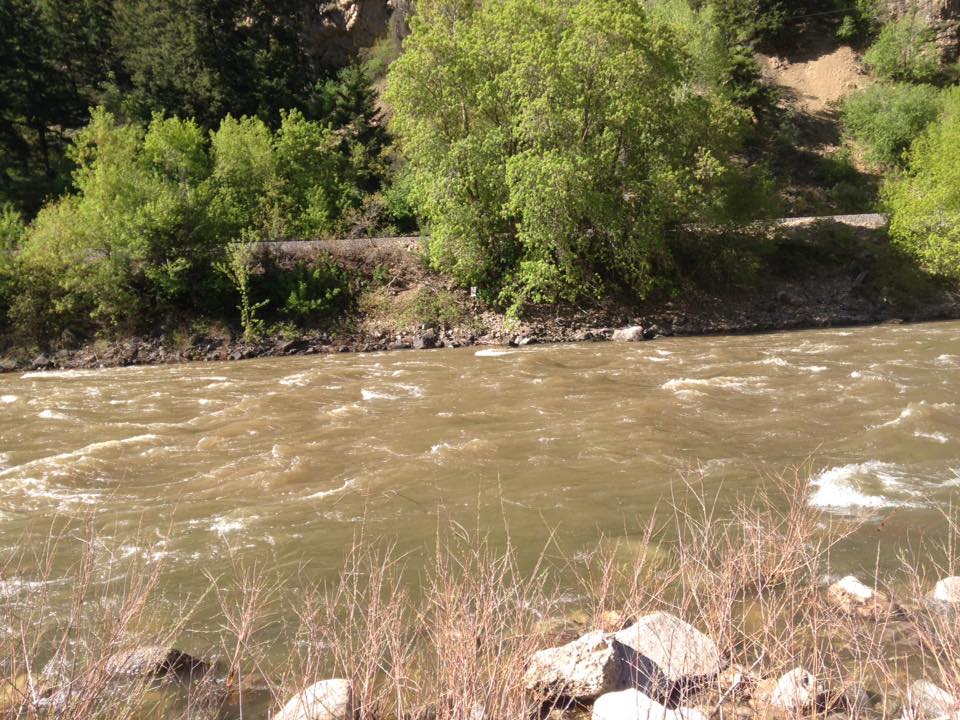
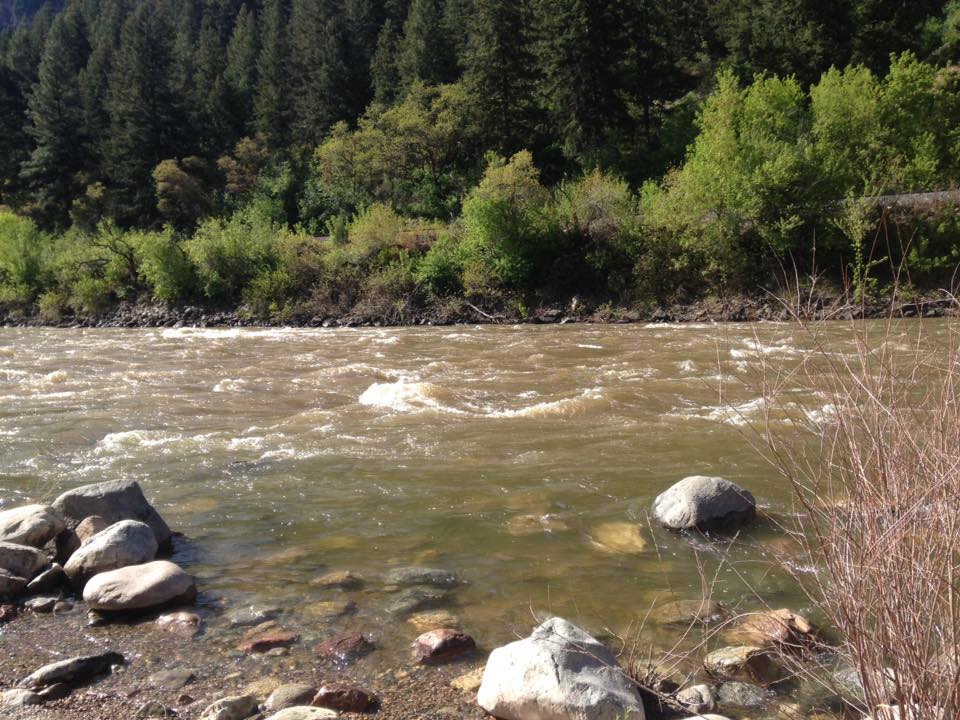
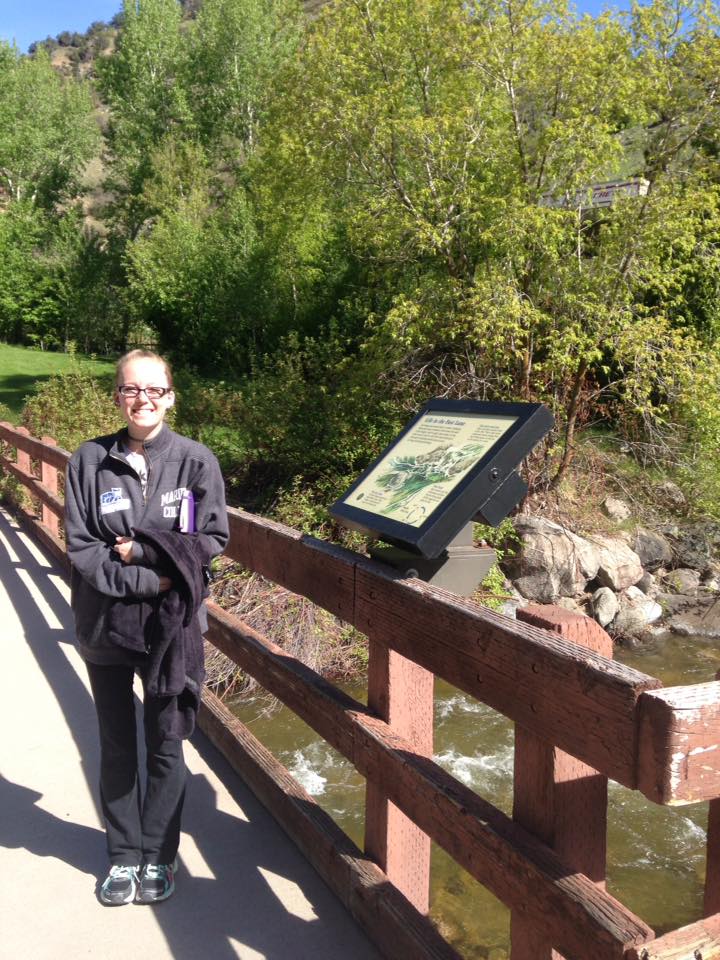
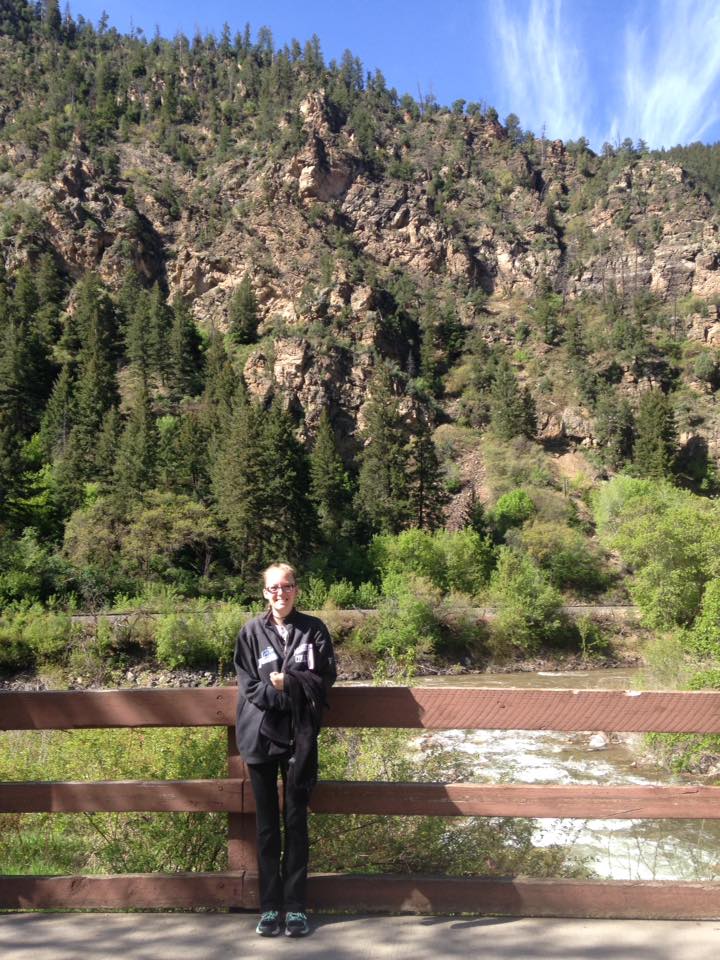
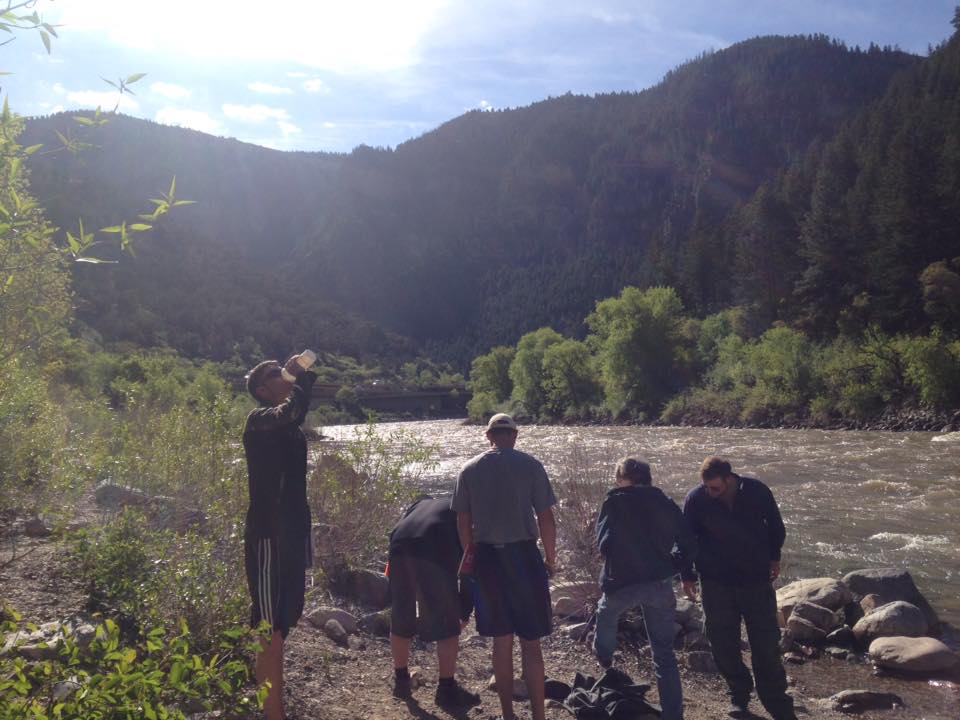
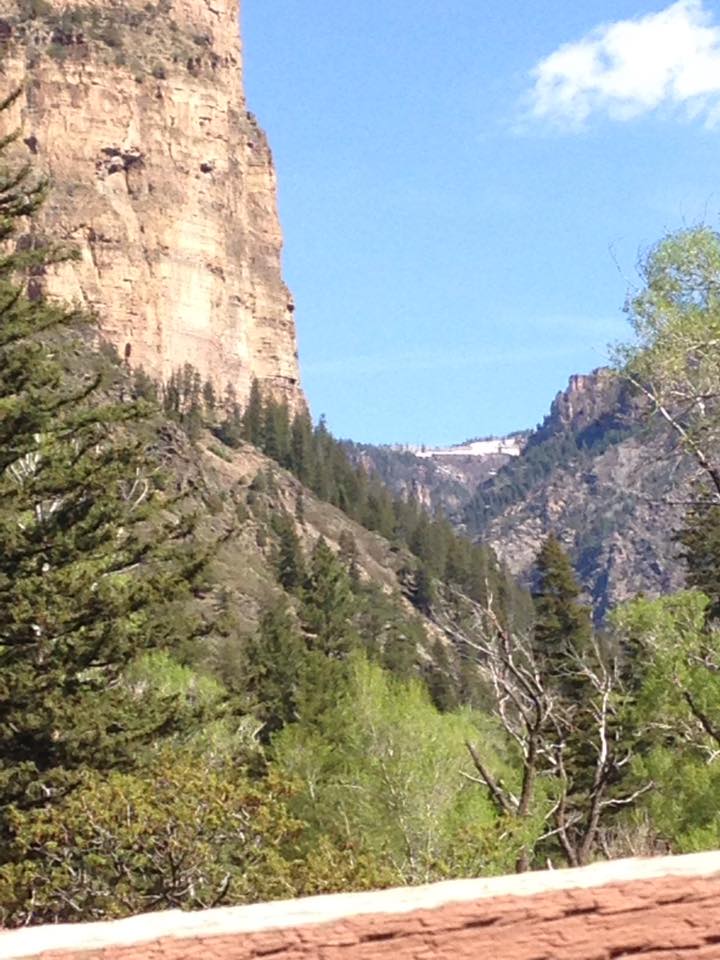
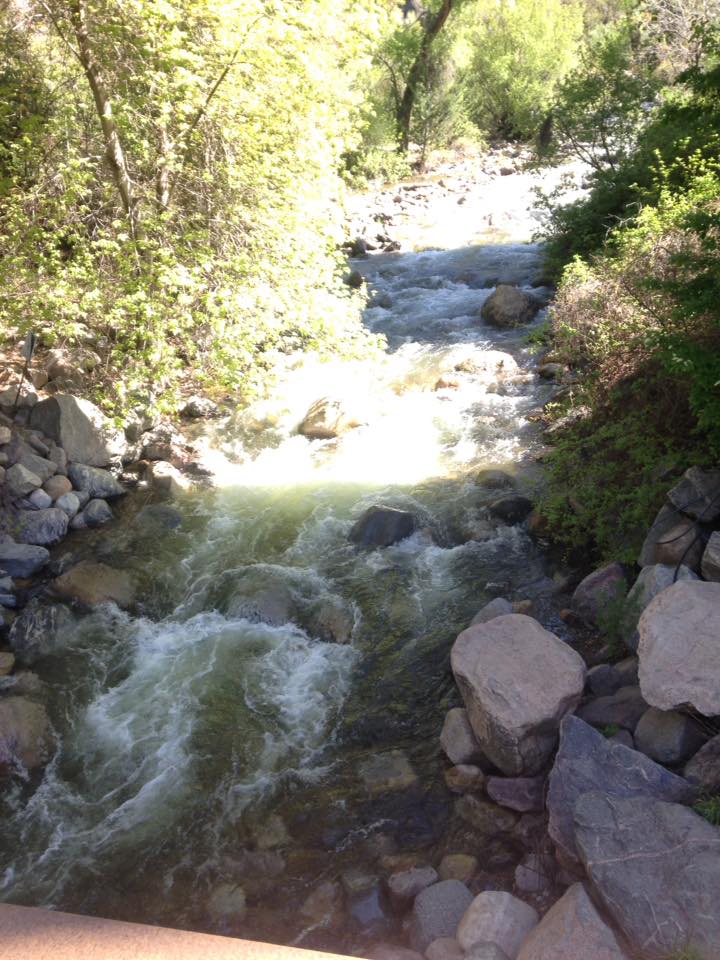
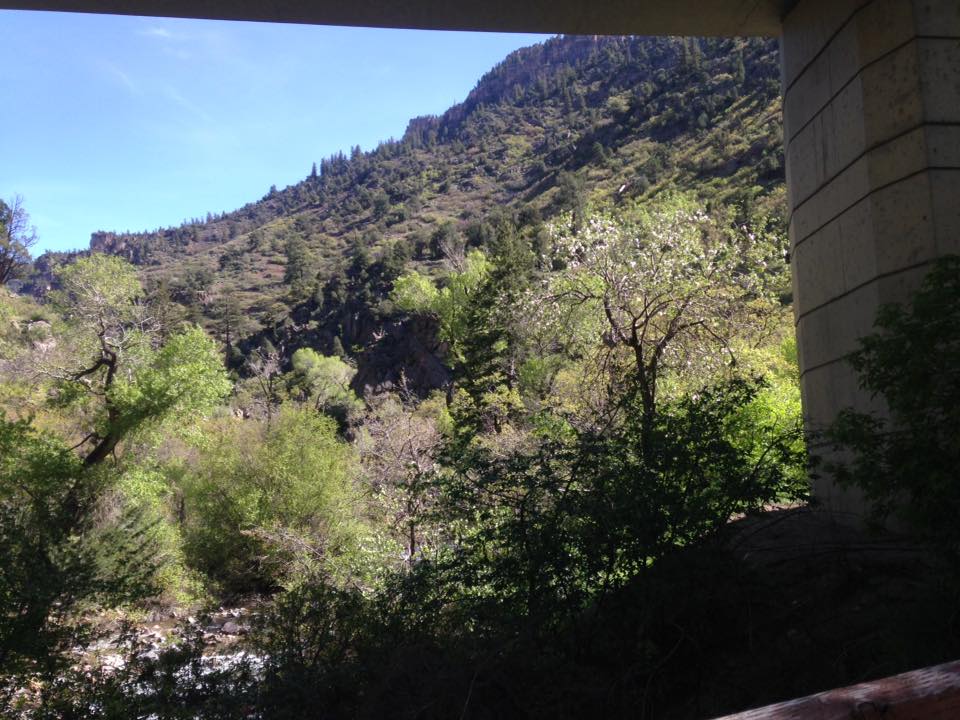
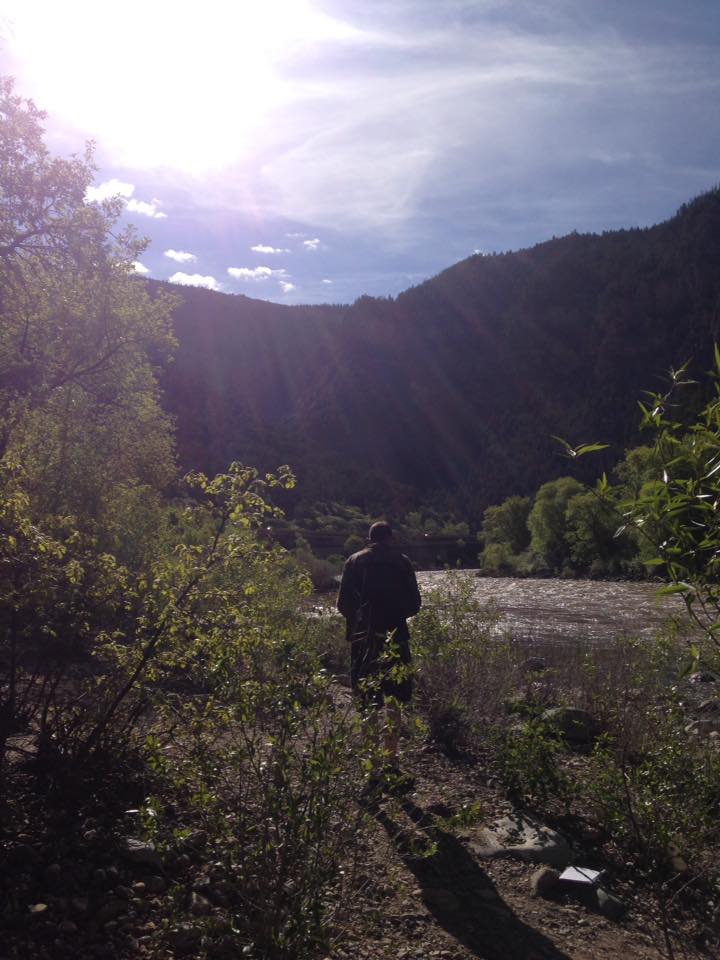
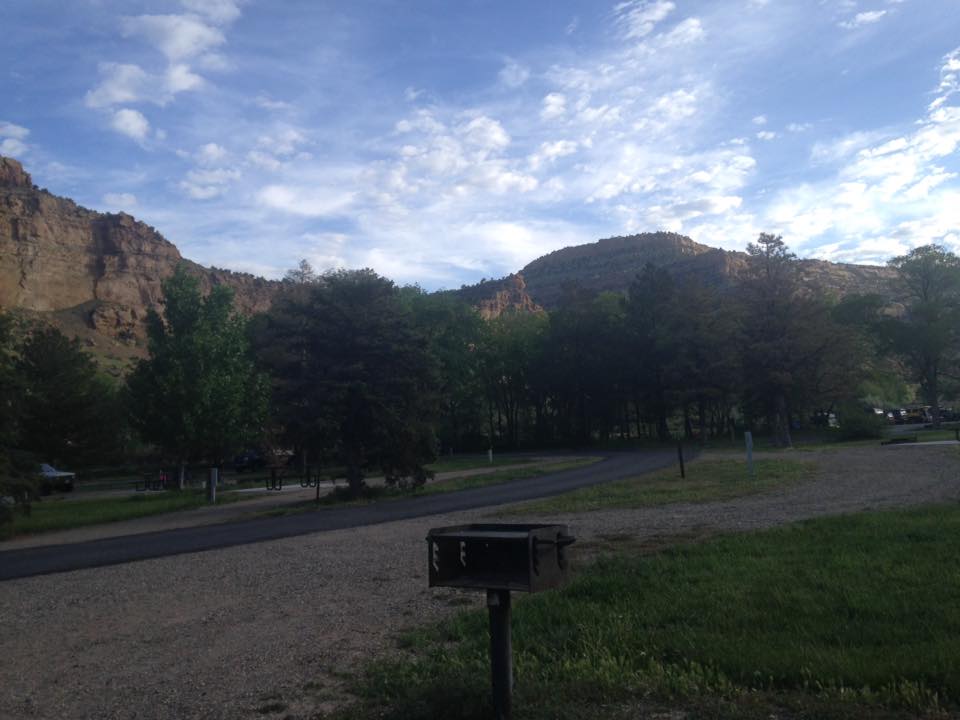
The rocks here range vastly in type and age.
For example, the rocks range from granites to marine limestone to recent deposits resulting from landslides. (Biotite Granite, Diorite, and Gneissic Quartz Mononite.)
All of the rocks at the base are Precambrian in age. The rocks on top of the Precambrian rocks are Cambrian in age – 500 million years ago. The marine deposits are Devonian & Mississippian in age. There are major unconformities here as well as Paleozoic rocks and Tertiary volcanic deposits along the sides.
The Colorado River cuts through this canyon.
There was a No Name Orogeny that occurred here 2.5 – 1.5 billion years ago (it occurred after the Laramide).
This is all apart of the Colorado Plateau.
The Colorado River cuts through the Grand Canyon as well as the Glenwood Canyon.
Dr. Voner (one of the Geology professors at my college who recently passed away) would discuss the migmatites: granite/igneous/metamorphic rocks combined into one (In this case, it’s gneiss and granite). This is unusual because igneous and metamorphic rocks don’t form under the same conditions.
Pink granite (igneous) intruded Gneiss (metamorphic) = huge crystals:


The canyon itself has a long and complicated history of tectonic, volcanic, deposition, and explosion events.
During the Precambrian: There was a period of stability and erosion. Then periods of mountain building occurring between 2.5 and 1.5 billion years ago. Biotite granite, porphyroblastic biotite, granodiorite, gneissic quartz mononite, and biotite-muscovite gneiss formed during this time.
During the Cambrian: 570 million years ago – marine deposits can be found. This is the Dotsero Formation and the Sawatch Quartzite.
Marine deposition continued into the Ordovician and Silurian. The Manitou Formation is found during this time followed by an unconformity.
During the Devonian and Mississippian: Marine deposition. The Chaffee Group and Leadville Limestone are of the Devonian and Mississippian as well.
During the Pennsylvanian: Ancestral Rockies. Prominent formations associated with this period are the Belden Shale, Eagle Valley Formation, and Maroon Formation.
During the Permian: Time of erosion for the Glenwood area with the State Bridge Formation being the only formation associated with the Permian.
During the Mesozoic Era:
Triassic: marked with erosion of Ancestral Rockies along with some minor tectonism around 245 million years ago.
During the Jurassic: same geological activity as the Triassic, but can be seen by the deposition of the Entrada Sandstone and Morrison Formation.
During the Cretaceous: was great time of deposition. Wet lands and Cretaceous Interior Seaway. Dakota Sandstone, Maury Shale, Frontier Formation, Niobrara Formation, Mancos Shale, and Mesaverde Group.
During the Cenozoic = active with the formation of the Gran Hogback Monocline and White River uplift in the Eocene Epoch.
During the Miocene: Basaltic volcanism and erosion occurred.
During the Pleistocene = Canyon continued to erode, and today, the erosion continues along with active landslides and rock falls.
Glenwood Canyon is not only natural, but home to one of the most incredible engineering feats of all time.
I-70 runs through the canyon in a way that it moves with the terrain around it and not just through it.
500 workers were employed each day at the site.
40 viaducts, bridges with 3 tunnels, 15 miles of retaining walls, and many more structures were constructed.
Used 30 million pounds of structural steel, 30 million pounds of reinforcing steel, and 400,000 cubic yards of concrete.
Walls of the canyon are over 1,000 feet tall.
Geologists can view Precambrian rocks to study the area before life, then they can move up few hundred to find fossils in the marine deposits of the Paleozoic.
The Leadville Limestone of the Mississippian is a fossiliferous limestone that is around 200 feet thick and contains calcareous algae, fish teeth, and brachiopods.
Also during the Mesozoic: in the Morrison formation, geologists can find evidence of dinosaurs in the form of fossils along with tracks.
Active forces in geology can be viewed too in the area: rock slides, No Name Tunnel (it was blasted through igneous rock of porphyroblastic biotite granodiorite.
Rock slides also created the Cottonwood Rapids.
At this rest area a huge nonconformity of about one billion years can be seen between Sawatch Quartzite and the metamorphic and granitic basement rocks of the Precambrian.
No Name Fault – which displaces the Mississippian Leadville Limestone against the Precambrian Rocks
Displacement = 1,000 feet.
Afterwards, we hopped back into the vehicles and drove to the Dotsero Volcano. We didn’t actually walk or drive up to it, we just kind of stopped, had a lecture on the Dotsero Volcano and the Valles Caldera (which we also didn’t visit), and then we were on the move again.
But here are the notes/classmate research for the Dotsero Volcano and Valles Caldera:
We’re going to do the VALLES CALDERA first:
Attraction: Valles Caldera National Preserve.
Location: New Mexico.
It’s one of the 3 active calderas in the United States.
1.2 million years ago, eruptions expelled over 750 cubic kilometers of ash and lava, after which the landscape sank back in on itself to form a sort of crater.
This crater includes several “blisters” as post-eruption activity had pushed some of the crater bed upwards as magma continue to slowly rise.
Redond Peak is most noticeable.
A magma chamber still simmers 5 kilometers underground.
The calderas of the Jemez Volcanic Field lay above the intersection of the Rio Grande rift and Jemez lineament, tectonic movements from which relate to the volcanic activity in the area.
This area specifically has high quality obsidian deposits.
DOTSERO VOLCANO (yes, we’re finally talking about the attraction that I researched):
It produced basaltic eruptions that occurred on the “north-northeast trend” and the lava flowed “southward” from a gulch and buried about 168 acres of the adjacent floodplain
I-70 also cuts across this 4 mile long lava flow, or the “southern edge.”
When the crater first formed, it was approximately 1,300 feet deep.
Currently, the crater has an approximate 2,300 feet to 2,460 feet.
Dotsero is Colorado’s youngest volcano. Last time it erupted, was 4,150 to 4,200 years ago.
This volcano is classified as a maar volcano due to its last pharetomagmatic eruption – an eruption caused by magma encountering water and explosively blasting “a crater through the country rock.”
This destroyed part of the scoria-cone chain and showered tephra across the landscape.
Crater consist of red sandstone bedrock fragments due to the tephra shower and most of it was blown east of the crater.
A small cinder crater about 2,300 feet in diameter formed.
The Dotsero Volcano has been dormant ever since this occurred.
The magma body underneath still exists – heats up Glenwood Springs.
Stratigraphy: this area is underlain with Pennsylvanian and Permian sedimentary rocks of the Minturn and Maroon Formations.
Those simple structures were created by the Tertiary lava flows.
The Minturn Formation consisted of a series of interbedded silky sandstones, gypsiferous siltstones, shales, and pure gypsum strate.
The Maroon Formation is a series of bright red sandstones and siltstones containing layers of silty red shale.
Near the top of the section “a single horizon of gray-green crystalline limestone is exposed.”
There are no fossils here.
The crater consists of red and black scoria, and black basalt minerals after oxidation.
The basalt formed after the cooling of lava, and some of the dense basalts have been known to contain tiny diamonds.
The area got its name when it was listed as “Dot Zero” as a reference point on survey maps.
Here is what we actually saw of the Dotsero Volcano:


(And obviously we weren’t in New Mexico, so we didn’t even drive past the Valles Caldera).
And after we drove past Dotsero, we drove for a while before we stopped at a rest stop and went through another time change.
We eventually had to stop for gas, and Casey & I went into the visitor’s center (I honestly don’t remember where we were exactly). I bought a black geode (obviously dyed black, but a geode nonetheless), and then we ate lunch outside.
We also stopped inside a really nice rock store and looked around. Some of the guys had a conversation with one of the older ladies who owned the place, but Rocky never went inside because she wasn’t in a good mood. (She had wanted to actually drive up to the Dotsero Volcano – but the rest of us didn’t want to.)
But the guys really wanted to stop at Golden Corral for dinner that night, so we were trying our best to keep her as happy as possible so that we would all get to go.
So, without a complaint, we drove straight to Kansas – most of us slept (Kansas is a pretty boring state). But we reached the Super 8 hotel in Hayes, Kansas around 8, and the guys got their wish – we went to Golden Corral for dinner.
Afterwards, because I had turned 21 that past Tuesday and I hadn’t had a sip of alcohol since I became legal – Casey decided that this was the night I was going to have my first legal drink.
So, we stopped at the gas station right next to the hotel, the guys picked out their beer – and we picked out our drinks. (I honestly wish I remembered what the name of it was – but whatever it was looked like a fruity drink in a can.)
We went up to our hotel room, set the drinks down, and decided to take showers first. Thankfully I was able to actually remove the majority of the dirt from my body and hair in this shower, which felt really nice.
Then we opened our drinks and were going to take a picture to post on Facebook of me taking my first legal drink. Well…we took that picture, but quickly deleted it afterwards because whatever drinks we bought were DISGUSTING.
They were NOT fruity. They were NOT beer. We don’t know what the hell they were, but we did know that the picture we took taking those first sips showed us making the most ugly faces because that crap was awful.
So, we tried again, and we went back to the gas station to just buy a simple beer – which was MUCH better.


We took our picture, posted it to Facebook, and talked about politics for the rest of the night. (Casey was a political science major, and obviously we’re right in the middle of election season – so we were sharing opinions).
We probably fell asleep around 12:30 – 1ish (the latest we’d stayed up during the entire trip), but it was worth it.
So, that’s all I have for you today. I’ll post another entry shortly, and until then – I’ll catch you later!
 rissy stories
Leave a comment