Hey guys,
This is another essay that I wrote for a creative writing class. The assignment was to analyze a specific culture – I chose softball culture because I’m very familiar with it. It’s long, but I had feedback that it’s a fast-read. Plus, it looks longer here because I added pictures. If you’re interested, read away!
Fast-pitch softball is never just a game for the players, coaches, or parents who watch from the sidelines. The sport takes on a completely different meaning once you’ve stepped into a world filled with sandy dirt that decorates your uniform by the end of a game, slippery grass with a swarm of annoying gnats flying above it, sunshine that burns through your skin, and surround-sound cheering, yelling, and bitching of various people. This awesome, ruthless world sucks you into it by dangling shiny aluminum bats and trophies, colorful tournament t-shirts, and a fancy field diamond in front of your face; then it forces you to experience the bittersweet taste of competition, leaving you addicted for life.
Victory over that competition gives you a natural high like nothing else, and you’ll do whatever you have to do to feel on top of the world again and again. That may include performing superstitious rituals, like your high school team building a pretend “campfire” in right field with a pile of your outfielders’ gloves and softballs during every pre-game warmup; or maybe even sacrificing a live chicken to a Voodoo god, like Cerrano almost does in the movie Major League because he thought it would help him hit curveballs.
Honestly, once you go to those lengths in order to win a game, it will never be just a game.
Fast-Pitch Softball Mentality


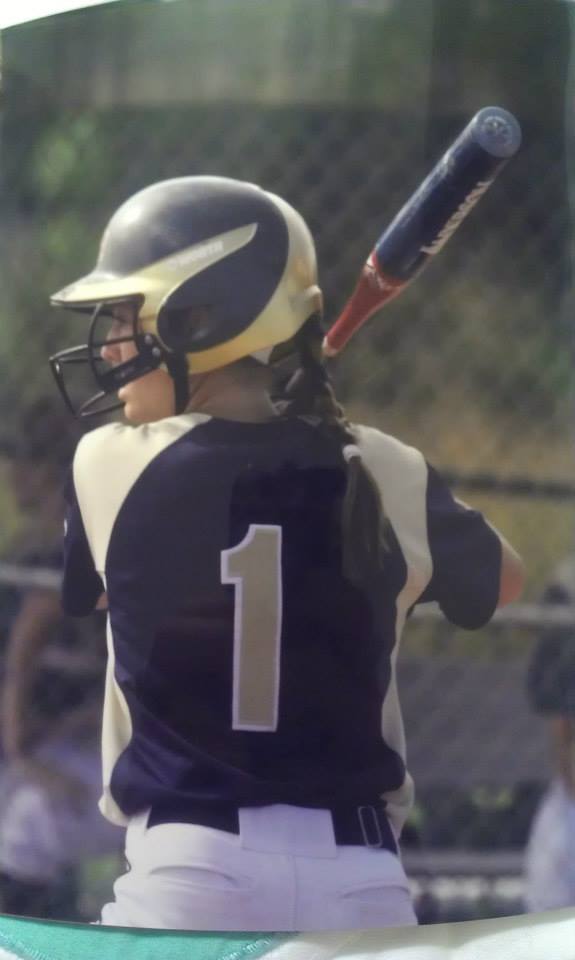
(Travel Ball – 18 & Under)
Each team has its own dynamic when it comes to practices and pre-game warmups, but these dynamics are all designed to best lead the team to victory. For instance, the coaches on my travel team would often incorporate new drills during practices from week to week while the coaches on my high school team always kept the structure of practices and pre-game warm-ups the exact same.
Every coach has his own stealing, bunting, and slapping signals for the batters and baserunners, every catcher has her own numbers assigned for different pitches, every batter has her own ritual of warm-up swings and bat twirling in between pitches, every infielder has different signals for plays to execute during a game, and every outfielder has her own way of telling a fellow outfielder to back off of a pop fly hit between the two of them such that they don’t smack into each other while trying to catch it (My go-to was always: “MINE, MINE, MINE!” – it was simple to yell quickly and powerfully).
These things exist mainly for two reasons: (1) they have proven to be successful in the past and (2) they make everyone inside the culture feel confident that they are going to conquer their competition and achieve their short-term goals of winning a game as well as long-term goals of winning a championship or tournament.
As my father, a 10 & under travel softball coach, always says: “If you think you can, you can. If you think you can’t, you can’t.” The game is 90% mental, and therefore, you need to be mentally prepared to play a game in order to achieve success. Superstitious rituals are one way in which some players and teams become mentally prepared for a game. Michaela C. Schippers and Paul A. M. Van Lange define superstitious rituals as “unusual, repetitive, rigid behavior that is perceived to have a positive effect by the actor, whereas in reality there is no causal link between the behavior and the outcome of the event” (2533).
Another example of this involves someone who writes in her journal the night before every single State Championship game (*ahem* moi) because, in the words of my favorite fictional baseball player, Crash Davis, from the movie Bull Durham: “A player on a streak has to respect the streak… if you believe you’re playing well because you’re getting laid, or because you’re not getting laid, or because you wear women’s underwear, then you are.”
These superstitious rituals may also include crazy things that make absolutely no sense, like your assistant coach needing to eat Swedish fish before every game, or your head coach always needing to use your magical bat to hit grounders to the infielders before a game, or needing your teammate to non-purposefully miss the first ground ball hit to her during pregame warm-ups, or drawing a circle in the dirt and spitting into it before praying “Hail Mary” with your team, etc.
Now, do these rituals actually relate to the game at all? No. It doesn’t matter what the ritual is, it’s just mental preparation for what’s about to begin. These rituals ease psychological tension before a game because if you feel like you’re winning due to performing them, then you will play well, it’s that simple (Schippers Van Lange 2535).
Larger Cultural Goals and Values
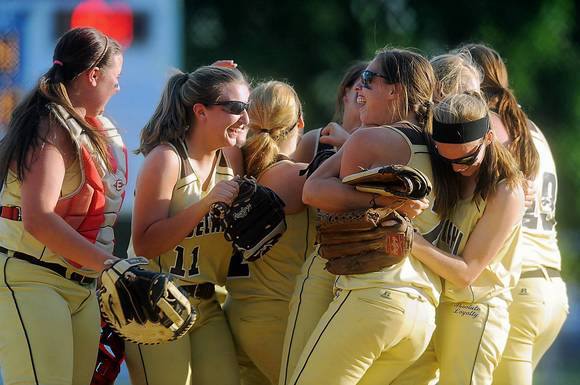

(High School)
The goals in this culture are not simply to just win games. Those are short-term goals. Let me give you a brief overview of the larger culture and its long-term goals. Those extremely serious about fast-pitch softball usually play on 2-3 teams simultaneously and devote every. single. day. to practices, pitching and catching lessons, winter training, fall tournaments, spring seasons for school, summer tournaments, and tryouts. They give up their social lives in order to develop stronger relationships with their teammates and maintain the good grades in school that they need to continue playing, all while going through the throes of puberty. Once they decide to take all that on, the main goal of softball is to progressively move up the food-chain: they need to make their first travel softball team at the ages of 10, 11, or 12, then make subsequent 14 & under, 16 & under, and 18 & under teams while also making their high school feeder team, their high school varsity team, and their division I, II, or III college softball team.
After they reach the ultimate goal of playing college ball, their softball career abruptly ends because there’s technically no such thing as a “Major League Fast-Pitch Softball” like there is with baseball. There’s a “National Pro Fastpitch” League for women, the one and only fast-pitch “major league” with five teams in the United States (National Pro Fastpitch). That provides very little options for women who want to play softball past college because clearly, it’s only accepting the best of the best of the best, and it’s obviously not very known because, well… I’d never heard of it until researching for this essay. It’s not as popular as major league baseball.
However, there’s also a “Major League Softball” for women and men (mostly men though), but it’s slow-pitch, which is basically a pansy-ass version of fast-pitch. It’s important to recognize the difference because slow-pitch softball focuses more on enjoying the game, the people you’re playing with, and the weather, while fast-pitch focuses on being cut-throat.
I guess what I’m trying to say is that fast-pitch softball players don’t f*** around.
The pitching distance (the distance between the pitcher’s mound and home plate) in slow-pitch softball is 50 feet and the pitchers only throw the ball in a half-windmill motion – an underhand throw. However, in fast-pitch, the pitching distance is 43 feet and the pitchers throw as hard as they can with a full windmill motion. Fast-pitch batters then have much less time to react to a pitch because the pitching distance is smaller and the pitchers throw much harder. The batters also have a better chance of hitting the ball harder & farther when it’s thrown at them harder, which provides a major challenge for the defense.
So, if fast-pitch softball holds the same intensity as major league baseball… then why is there more of a demand for major league baseball than professional fast-pitch softball? That’s a good f****** question. Don’t you know that women are expected to start a family and stay in the kitchen from that point on, so why would professional softball past college be a thing?
No, in all seriousness, most women just don’t choose fast-pitch softball over starting a different career and/or starting a family after college. There’s also not a high demand for people watching softball over baseball. Most women, like former Gold-Medal-Olympian/USA national softball team pitcher, Jennie Finch, retire from the sport to focus on their families. Another drawback to continuing after college includes the fact that softball and baseball were removed from the Olympics in 2005, so no one can even strive for becoming softball Olympians anymore.
(Although, according to my father, there are rumors that it is being reinstalled in 2020).
Benefits to Play Fast-Pitch Softball
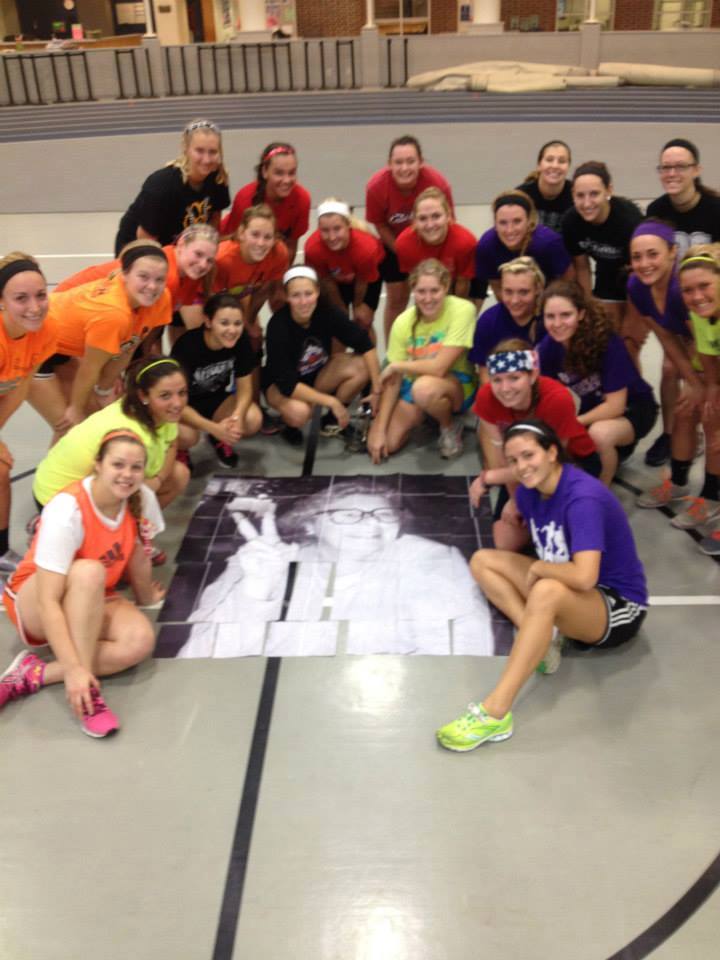
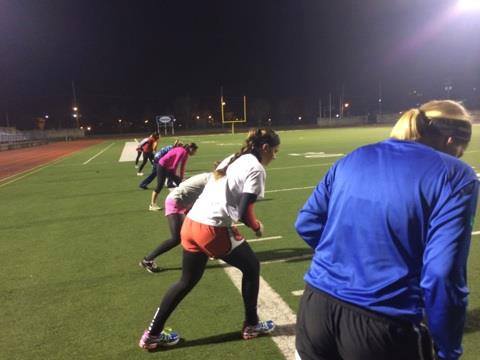
(College)
So, why play at all if the only goals include competing against your teammates and going as far up as you can go, then stopping? What makes the chicken-sacrificing worth it?
There are many benefits in this long journey to the top that last a lifetime. I can honestly say that even though my journey was equivalent to a long, bloody battle to get to the finish line, softball also saved my life and there were many reasons why I continued playing when all I wanted to do was literally throw in the glove.
First of all, sports provide many mental health benefits. Physical activity helps to treat depression and other mental illnesses. For instance, Fiona Cole claims that someone who plays a sport and participates in physical activity usually finds joy in it, but if that person becomes depressed, then they stop participating and become bombarded with shame and guilt because they feel like a failure, which results in a “cyclical pattern of inactivity” (608).
I can relate to this because when I developed a mental illness in high school, I was dangerously on the verge of quitting softball because I didn’t have an interest in it anymore, but my coach wouldn’t let me do that. He convinced me to stick with it, and it was honestly the best decision I’ve ever made. If I had quit softball back then, I would have felt like a failure and that would have made my mental illness worse.
Secondly, there are also many physical health benefits to playing a sport. As Darren E.R. Warburton states, “both men and women who reported increased levels of physical activity and fitness were found to have reductions in relative risk of [cardiovascular-related] death” (801). In other words, I knew that playing a sport was healthy in more ways than one, but I also knew that learning to be coachable would also help me in the future.
My high school coach always preached that softball was going to teach us teenage girls things that would stick with us for the rest of our lives. We all thought it was bulls*** back then, but now, I’m beginning to see what he was talking about. Being coachable, learning how to work with a team, knowing how to follow orders, developing a strong determination to achieve your goals, learning to persevere in the face of hard times, and figuring out how to problem-solve are all qualities that help you in whatever career you choose in the future. Living in that softball culture for so long has taught me all of these things, but most of all, the main reason I continued playing and living in that culture was because I felt like I belonged there.
What Encourages Girls to Play a “Man’s Game”?
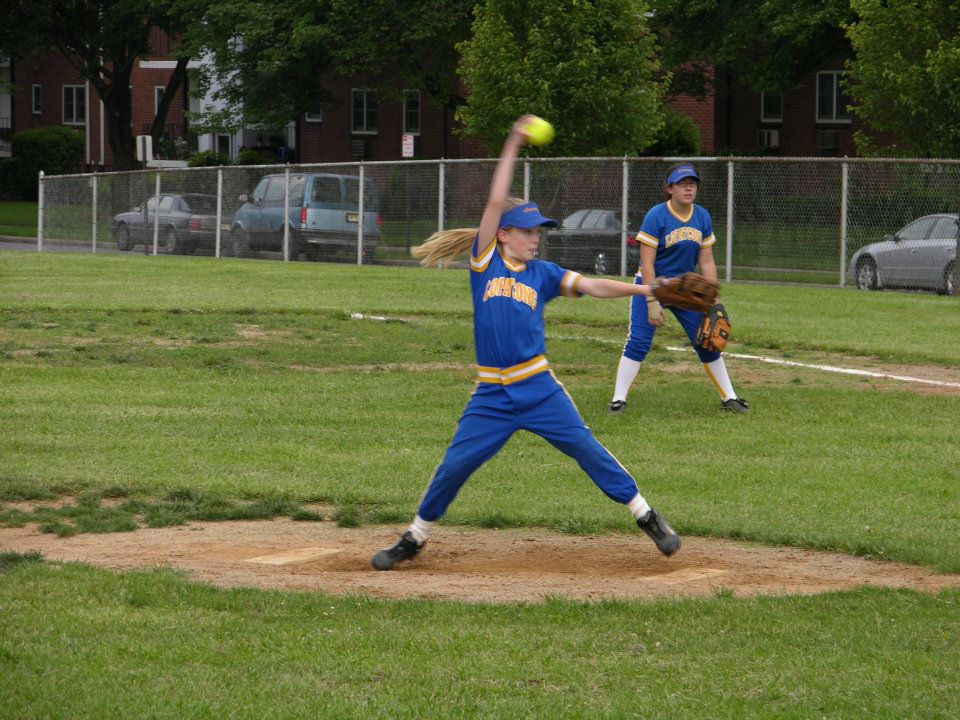
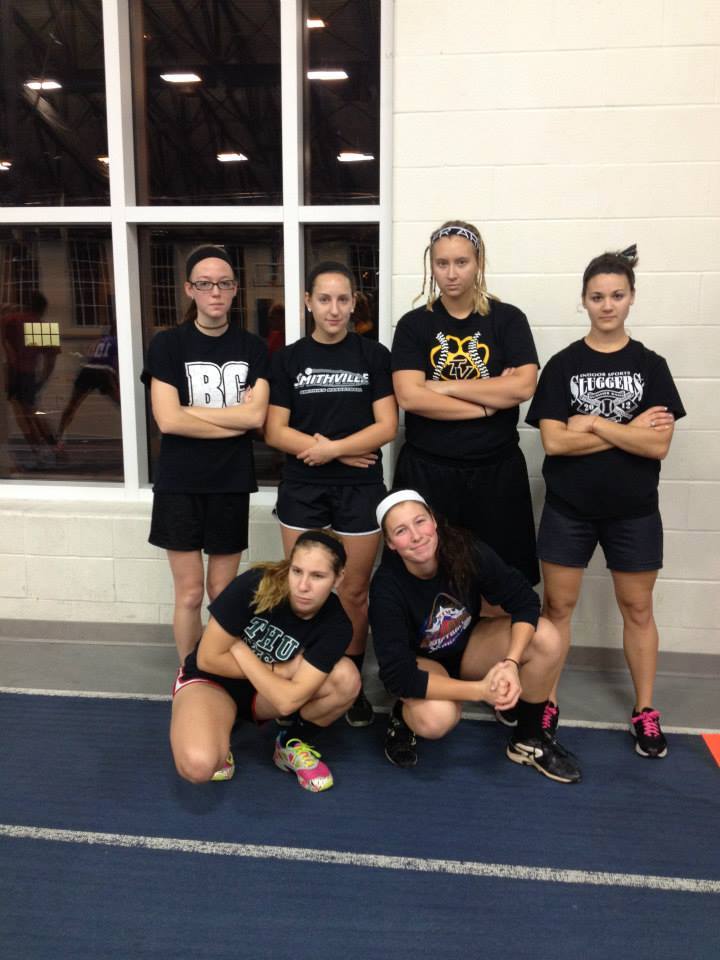
(Recreational & College)
On that note, more reasons behind why girls like myself decide to play softball in the first place can be traced back to the early 1900s – someone encourages them to play and then they fall in love with it. Carly Adams studied Women’s Industrial softball from 1923-1935, when women’s softball was just beginning, and she analyzed the experiences of three women during that time period: “Women’s memories of their experiences playing softball during this era illuminate the way these athletes understood and negotiated sport and work and the associated familial and social tensions” (76). These women essentially stepped into the shoes of men – they went to work. Those companies then encouraged them to join softball teams where these women “practiced, developed, and celebrated” their skills and abilities (Adams 77). The purpose behind this involves creating “a sense of family, belonging, and community among workers as a way of encouraging loyalty and discoursing unionism and strike among employees” (Adams 77). However, the majority of these women continued to play softball after this era because they grew to genuinely enjoy it while the others stopped their career because they wanted to start a family (Adams 88-89). Even though the time period and the rules of the game are extremely different in the twenty-first century, most of this culture remains the same today.
I was encouraged to play t-ball when I was in first grade because my father played baseball and my mother played softball when they were younger. That’s how they met in graduate school, and my dad actually asked my mother out on a first date when she had a black eye from getting hit in the face with a softball. So, my mother was more or less stepping into a man’s shoes back in the 80s by playing softball, “toughing out” a softball to the eye, and achieving her Ph.D., which my father liked.
Needless to say, my parents encouraged me to do something similar since it brought them great joy. I ended up falling in love with the sport as I entered middle school like my parents did because I liked the rush I felt when throwing a perfect strike at the pitcher’s mound and hitting a line drive between the third baseman and shortstop. I loved the feeling of disbelief that I felt after I made an amazing play, then replaying it in my head over and over to figure out how I did it. I loved being the underdog and rising to the top. I loved catching an impossible catch and listening to the roar of the crowd. I loved tricking the other team into thinking I was a s***** 9th batter hitter, then watching the look on the opposing team’s coach’s face when I smashed a fastball right over the left fielder’s head. All in all, I loved feeling important to the team’s success.
However, I will acknowledge that not all of the softball world is worth the chicken-sacrificing. I had been playing with the same girls every year up until I decided to become a full-time softball player at eleven years old. Shortly after joining my first travel team, I became very aware that I had absolutely no idea what I was getting myself into.
My first two years of travel softball were a nightmare because my father and coaches expected me to completely erase all of my feminine qualities while I was on the field and to mesh with my teammates like they were sisters, even though I barely knew any of them at the time. This is something that every single softball player goes through at the beginning of her career, and it’s a tough transition. I was the baby on that 12 & under team, and my sense of belonging and importance completely vanished. Honestly, if I had a penny for every time someone told me to “man up,” I would have flipped off my 12 & under coaches and moved out of my parent’s house a long time ago.
So, where did that social norm of suddenly being expected to become a man when playing a sport come from? Nancy L. Malcom performed a study in 2006 about this “shake it off” and “tough it out” mentality that most female athletes have in regards to injuries and insults, and she claims that “in addition to shaking off their own injuries, coaches ignored the girls’ complaints, made jokes when the girls experienced some pain, and told them directly to shake off their minor injuries” (Malcom 495). In other words, some (definitely not all) coaches enforce softball culture encouraging girls to hide their injuries and refrain from complaining about pain or anything in fear of getting mocked, yelled at, or benched by the coach.
For example, my head 12 & under coach was one of those coaches who encouraged girls to “man up” by yelling at them if they cried or complained. He once made everyone do a basketball drill by the name of “suicides,” where a player sprints from a starting point on the court to a few feet in front of them, touches the floor, sprints back to the starting point, touches the floor, then sprints back out a few feet farther than they had the first time, touches the floor, then sprints back to the starting point, touches the floor, so on and so forth.
I’ve always assumed they were called “suicides” because I felt like I was slowly committing suicide while doing them. This drill burns the s*** out of your lungs, the constant rough inhale of oxygen produces a metallic/bloody taste in the back of your mouth, your chest and upper back experience sharp pains from breathing so hard, and your legs feel like pudding.
And this coach forced my entire team to do “suicides” for around a half hour to forty-five minutes straight during a week-day practice because we hadn’t played up to his standards in the tournament the weekend beforehand. Oh, and he also forced the parents to silently watch us while we slowly killed ourselves during this drill. One of my teammates threw up within the 20-minute mark, but he made her keep going. We all had tears streaming down our faces from the fact that we couldn’t breathe. A couple of us collapsed from exhaustion and he would scream at us until we got back up. We would try to tell him that we were in pain, but he gave no fucks and just told us to get over it. Can you guess what sport this coach coached right before he decided to try coaching 12 & under softball instead?
Football.
If you’re still not catching onto the lack of necessity, let me make it clearer: there is very little need for this drill in the world of softball. It’s useful for soccer, basketball, and football where players often sprint back and forth as well as dodge people during a game, but it practically serves no purpose for softball and baseball where players run and dodge people much less. From my perspective, this drill would only help a softball player in “a pickle” or “a rundown” situation where a baserunner gets caught in the middle of the baseline (halfway between two bases) and the opposing team runs her back and forth between both bases until she is tagged out or makes it back safely to a base.
That’s it though, there’s no need for the drill unless you’re one of those coaches who likes to torture your players as a form of punishment, then tell them to “man up.”
Due to experiences like this, I had a hard time speaking up when I had an injury. This pissed off my future coaches because I would allow my injuries to get bad enough to the point where I couldn’t function. For instance, my first instinct after I experienced severe whiplash during a game was to tough it out and finish the game even though my neck had completely seized up. I also hid a serious hamstring injury until I could barely walk on it. My coaches didn’t understand why because they only told their players to “man up” if they were over dramatizing an injury for attention, but those were rare occasions.
Either way, it didn’t matter to me because once you’ve been conditioned to never show vulnerability during a sport, then you don’t. Ever.
However, I definitely wasn’t the only one conditioned that way, and my 12 & under coach was far from the only coach who never allowed players to show vulnerability. One time during a Memorial Weekend Tournament as a 16 and under player, my team at the time played a total of seven games on a Sunday (five of which I pitched) and one of the outfielders on my team was so exhausted that she let a ball hit to the outfield smack her right in the face. She plopped onto the ground like all of her muscles had just completely stopped working. A lot of us were delirious at that point, but it terrified everyone. We honestly thought she was dead for about a minute or so. But no, she got right back up minutes later and continued playing like nothing had ever happened. Softball culture can do weird things like this to a person.
Fast-Pitch Softball Parents

(High School)
Last, but certainly not least, let’s address the infuriating topic: parents of softball players. The parents have their own little subculture within softball culture, but they heavily influence the lives of the softball players because, well, they are the parents. But they also tend to f*** everything up for their kids. I have seen parents ruin the softball careers of their children because they did not agree with the coach, or they felt that their child was way more talented than she actually was.
For instance, a pitcher on my old 18 & under team was apparently let go from the team after her mother got mouthy with the coach. And when I tried out for one of my 14 & under softball teams, I replaced a girl who had been on the team for a couple years. The parent of the girl who got cut proceeded to yell at my coach, which obviously didn’t end well. Another example includes the teammate who puked during the “suicide drill.” She became my teammate again on a different team a year or two after we leave the 12 & under team. Her parents were something else, though. They would often drink during games, they thought Allison was the star of the show, and they never hesitated to gossip and spread rumors amongst the other parents on the team.
Oh, and don’t get me started on the parents who cannot help but get into arguments with the umpire during a game over a crappy call, then embarrass the s*** out of the child when they get thrown out of the stadium by said umpire.
Clearly, the parents of softball players often act more inappropriately and immaturely than their teenage daughters do, and that’s a problem. This serves as the source of toxicity within softball culture and it needs to be eradicated. If you ever have a child who plays a sport, for the love of God, do not be this person.
Conclusion

(Recreational)

(12 & Under)
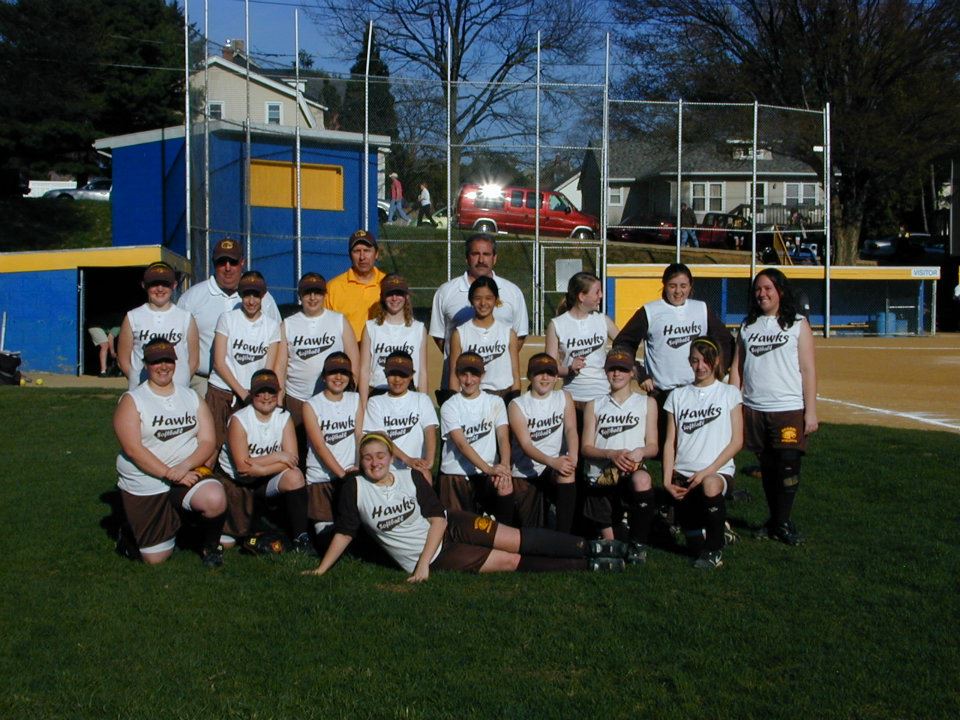
(High School Feeder Team)
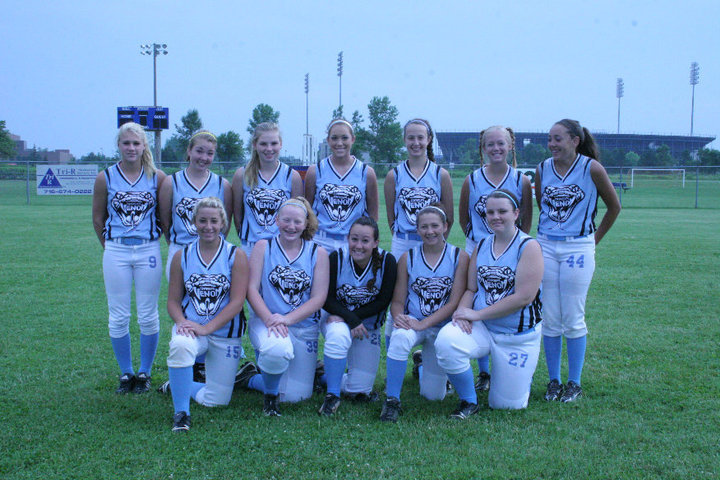
(16 & Under)
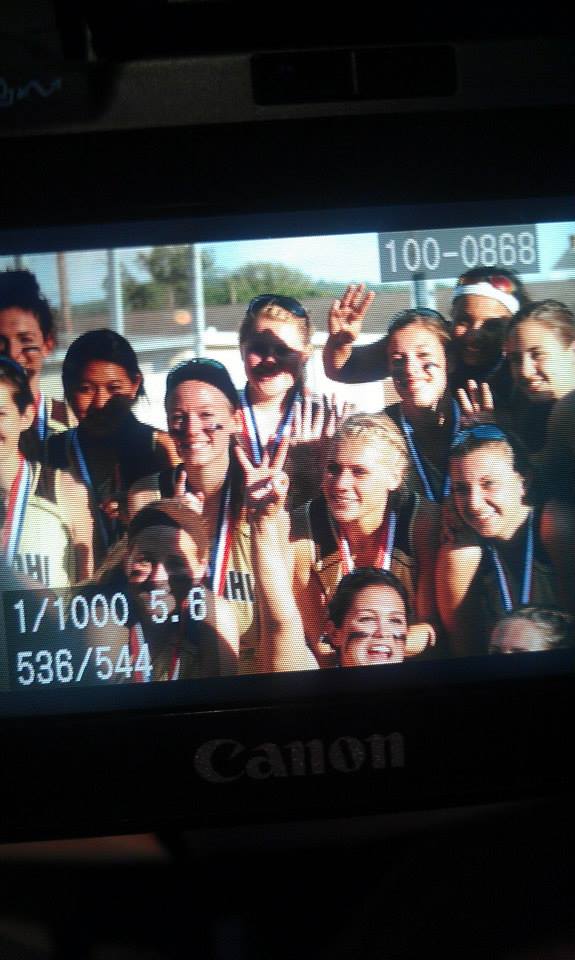
(High School)

(College)
In the end, only the player can decide whether or not this fast-pitch softball world is worth the superstitious “chicken-sacrificing” rituals that players perform because they always want to play their best and win. There were many days where I told my parents that “winning” in this sport wasn’t worth the amount of work or the stress, but ultimately, the upswings were worth putting up with the downswings. For players like me, this game became my life and once softball becomes that important to you, it never stops being important. All I ever knew growing up was fast-pitch softball and I was completely lost after I quit during my freshman year in college.
I still reminisce about the memories every single day. I still keep in contact with a few of my coaches. I still find myself developing little rituals like I used to do with softball, but this time, they’re geared towards studying and exams. For instance, if I take a test that I did not prepare for in a specific, but over-the-top way, then I automatically go into the test with the mindset that I’m going to fail because I technically didn’t do everything that I was supposed to do. The majority of the people whom I’ve studied with do not like my study style, so I study alone most days, which is strange to me.
It was a very lonely feeling when no one wanted to study with me, especially since I was used to performing crazy rituals like that with a team… but then I realized that everyone in college performs rituals like this on their own and they don’t like trying someone else’s rituals because they fear that they won’t work for them or they aren’t needed. However, we’re still a team in the sense of being a part of the same school community.
For me, I’m always in my dorm room bed, typing up an extensive study guide, reading it out loud to myself multiple times, pacing while I memorize things, and re-reading through all of the chapters and notes related to that exam.
My study ritual is intense, time-consuming, and draining. Are there other ways that I could study just as efficiently, but less stressful? Probably, but I found that this works the best for me because I feel most confident when going into an exam, so I continue doing so – just like I did with softball. And the pay-off grade makes the downswings worth it.
If I were to give advice to a potential fast-pitch softball player, I would say that fast-pitch softball made me the person who I am today, a person I am proud to be. Know that it’s something that will consume your life, and you have to work hard in order to continue doing it.
The lessons I learned, the decisions I made, and the habits I created while playing the sport actually do apply to real life. I know you don’t believe that right now, but trust me, you’ll eventually look back and realize that your coaches were right. Then you’ll thank them profusely throughout your adult life for teaching you the life skills that help you in the future.
All in all, I promise to anyone who’s exploring that culture – the chicken-sacrificing is worth it.
———————————————————-
Work Cited
Adams, Carly. “‘I Just Felt Like I Belonged to Them’: Women’s Industrial Softball, London, Ontario, 1923–1935.” Journal of Sport History, vol. 38, no. 1, 2011, pp. 75–94. Electronic Journal Center, Accessed 12 Apr. 2017.
Cole, Fiona. “Physical Activity for its Mental Health Benefits: Conceptualizing Participation within the Model of Human Occupation.” The British Journal of Occupational Therapy, vol. 73, no. 12, Dec. 2010, pp. 607-615. Electronic Journal Center, doi: 10.4276/030802210X12918167234280. Accessed 23 Apr. 2017.
Malcom, Nancy L. “‘Shaking It Off’ and ‘Toughing It Out’: Socialization to Pain and Injury in Girls’ Softball.” Journal of Contemporary Ethnography, vol. 35, no. 5, Oct. 2006, pp. 495–525. Electronic Journal Center, doi:10.1177/0891241605283571. Accessed 12 Apr. 2017.
“Official Website of the National Pro Fastpitch League: Home.” Official Website of the National Pro Fastpitch League: Home, http://www.profastpitch.com/home/. Accessed 27 Apr. 2017.
Schippers, Michaela C. and Paul A. M. Van Lange. “The Psychological Benefits of Superstitious Rituals in Top Sport: A Study Among Top Sportspersons.” Journal of Applied Social Psychology, vol. 36, no. 10, October 2006, pp. 2532-2553. Academic Search Complete [EBSCO], doi: 10.1111/j.0021-9029.2006.00116.x. Accessed 23 Apr. 2017.
Shelton, Ron, director. Bull Durham. YouTube Video, 23 May 2015, www.youtube.com/watch?v=onrYnnbneF4. Accessed 27 Apr. 2017.
Warburton, Darren E.R. et al. “Health Benefits of Physical Activity: The Evidence.” Canadian Medical Association Journal, vol. 174, no. 6, March 2006, pp. 801-809. Google Scholar, doi:10.1503/cmaj.051351. Accessed 23 Apr. 2017.
Ward, David S, director. Major League. YouTube Video, 21 Oct. 2014, www.youtube.com/watch?v=Xvrzntd2pRk. Accessed 27 Apr. 2017.
 rissy stories
Leave a comment